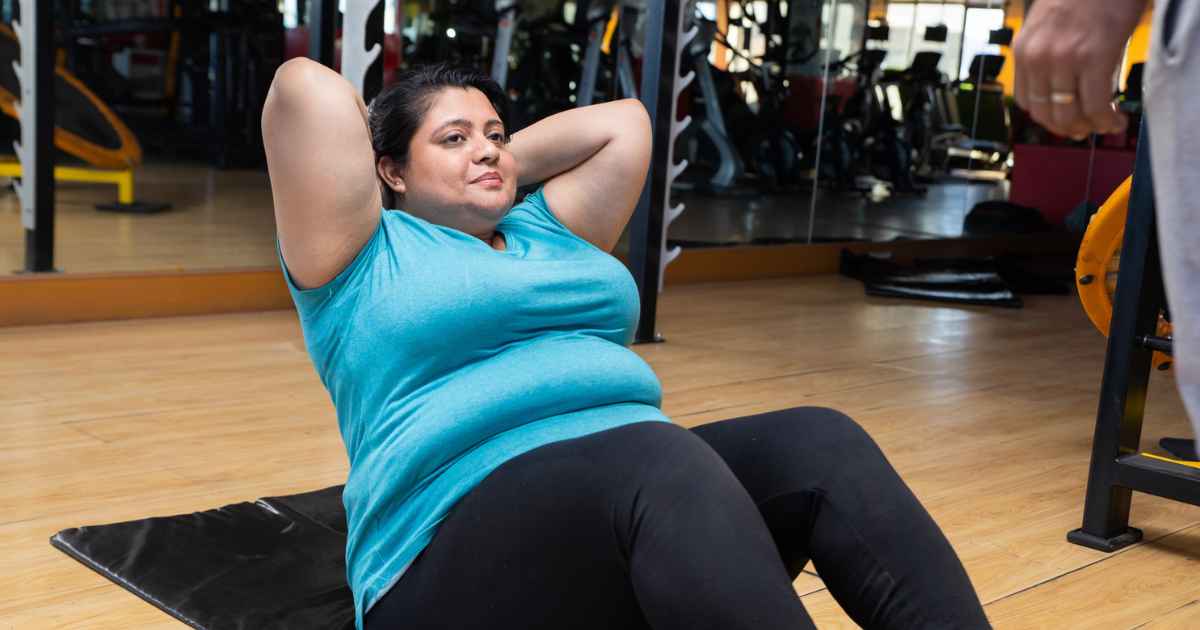
Introduction
Polycystic ovary syndrome (PCOS) is one of the most common hormonal conditions affecting women of reproductive age. Along with symptoms like irregular periods, acne, and hair growth, many women notice a specific type of weight gain around the abdomen. This is often referred to as “PCOS belly.”
For many, this kind of weight gain feels different. It can show up even when you’re eating reasonably well or staying active. That’s because it’s not just about calories. It’s deeply connected to hormones, metabolism, and how your body processes energy.
This article explains what PCOS belly actually is, why it happens, and what realistic steps you can take to reduce it naturally.
What Is PCOS Belly?
PCOS belly is a non-medical term used to describe fat accumulation around the abdomen linked to PCOS. (Integris Health)
Unlike general weight gain, this type of fat tends to collect around the midsection, creating an “apple-shaped” appearance. Some women may have an otherwise average body weight but still carry noticeable fat around the belly.
What makes it different is the underlying cause. Instead of simply eating too much, PCOS belly is driven by hormonal imbalances and metabolic changes.
This is why it often feels stubborn and harder to lose compared to regular belly fat.
What Causes PCOS Belly?
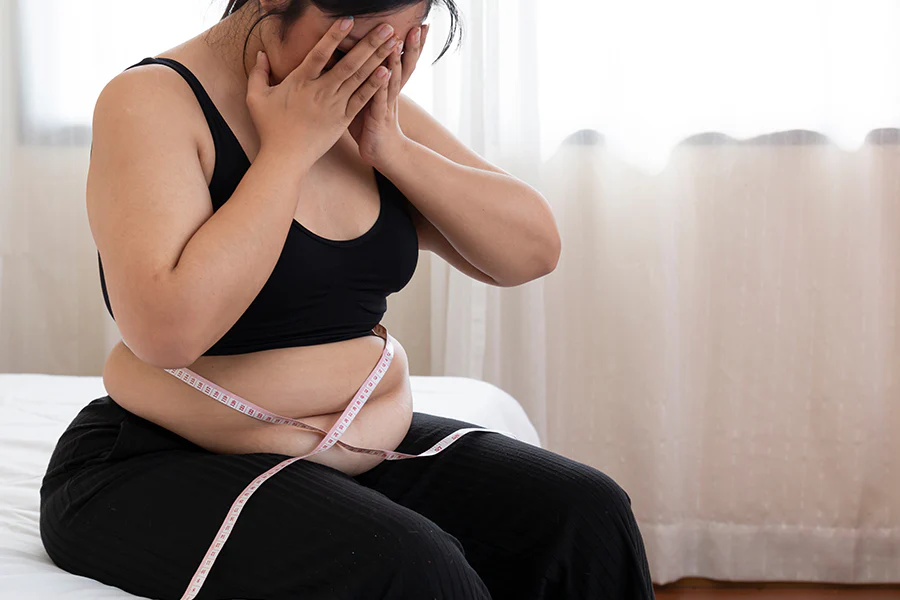
Insulin Resistance
One of the biggest drivers of PCOS belly is insulin resistance. This means your body doesn’t respond properly to insulin, the hormone that regulates blood sugar.
When this happens, your body produces more insulin to compensate. High insulin levels encourage fat storage, especially around the abdomen.
Over time, this creates a cycle where belly fat increases insulin resistance, and insulin resistance increases belly fat.
Hormonal Imbalance
PCOS involves an imbalance between female hormones and androgens (often called male hormones). Women with PCOS typically have higher androgen levels.
These hormones influence where fat is stored in the body. Higher androgen levels are linked to more fat around the midsection rather than hips or thighs.
This shift in fat distribution is a key reason why PCOS belly looks different.
Chronic Inflammation
Low-grade, long-term inflammation is commonly seen in PCOS. This type of inflammation can interfere with metabolism and promote weight gain.
It also worsens insulin resistance, making it even harder for the body to burn fat efficiently.
Stress and Cortisol
Cortisol, known as the stress hormone, plays a role in fat storage. Higher cortisol levels are linked to increased fat accumulation, especially in the abdominal area.
People with PCOS may be more sensitive to stress-related hormonal changes, which can contribute to belly fat.
Lifestyle Factors
Diet, physical activity, and sleep all influence PCOS symptoms. A sedentary lifestyle or poor-quality diet can worsen insulin resistance and hormonal imbalance.
Even small habits, repeated daily, can either support or disrupt your metabolism.
Signs You May Have PCOS Belly
PCOS belly doesn’t look the same for everyone, but some common signs include:
- Weight gain mainly around the abdomen
- A firm or bloated midsection
- Difficulty losing belly fat despite effort
- Feeling “puffy” or inflamed
- Other PCOS symptoms like irregular periods, acne, or excess hair
It’s important to remember that not everyone with PCOS will have this symptom, and having belly fat alone doesn’t mean you have PCOS.
Why Is PCOS Belly Hard to Lose?
This is one of the most frustrating parts. Many women feel like they’re doing everything right but not seeing results.
There are a few reasons for this:
- Insulin resistance slows fat burning
- Hormones increase fat storage signals
- Metabolism may be slower
- Appetite and cravings may be affected
Because of these factors, traditional weight loss methods don’t always work the same way.
Can You Reduce PCOS Belly Naturally?
The short answer is yes, but it takes consistency and a realistic approach.
There’s no quick fix. You’re not just trying to lose weight, you’re working with your hormones and metabolism. When you focus on improving how your body functions, fat loss often follows gradually.
Natural Ways to Reduce PCOS Belly
Eat a Balanced, Low-Glycemic Diet
Food plays a major role in managing insulin resistance.
Focus on:
- Whole, unprocessed foods
- High-fiber vegetables
- Lean proteins
- Healthy fats
Reducing sugar and refined carbs can help stabilize blood sugar and lower insulin levels over time.
Exercise Consistently
You don’t need extreme workouts.
A combination of:
- Strength training
- Moderate cardio like walking
- Regular movement throughout the day
This helps improve insulin sensitivity and supports fat loss without stressing the body too much.
Improve Insulin Sensitivity
Simple habits can make a difference:
- Walking after meals
- Eating balanced meals with protein and fiber
- Avoiding long periods of inactivity
These small changes help your body use insulin more effectively.
Manage Stress
Stress management is often overlooked, but it matters.
Chronic stress increases cortisol, which promotes belly fat storage. Simple practices like:
- Deep breathing
- Light exercise
- Spending time offline
can help regulate stress hormones.
Prioritize Sleep
Poor sleep affects hunger hormones, insulin sensitivity, and cortisol.
Aim for consistent, quality sleep. Even improving your sleep routine slightly can support better hormonal balance.
Stay Consistent
The biggest factor is consistency.
Short-term efforts rarely work with PCOS. What matters is building habits you can maintain over time.
Foods That May Help
Some foods naturally support hormonal balance and reduce inflammation:
- Leafy greens and vegetables
- Whole grains like oats and quinoa
- Nuts and seeds
- Fatty fish
- Foods rich in fiber
These foods help regulate blood sugar and support overall health.
Foods to Limit
Certain foods can worsen symptoms if consumed regularly:
- Sugary snacks and drinks
- Refined carbs like white bread
- Highly processed foods
- Excess caffeine (for some people)
Limiting these can help reduce insulin spikes and inflammation.
Common Myths About PCOS Belly
There’s a lot of confusion around this topic.
“You just need to exercise more”
Not true. Hormones play a major role.
“All calories are equal”
In PCOS, how your body processes food matters as much as how much you eat.
“You can target belly fat directly”
Spot reduction isn’t possible. You need a full-body, hormonal approach.
When to Seek Medical Advice
If symptoms are severe or not improving, it’s worth speaking to a healthcare professional.
They can help with:
- Diagnosis
- Hormonal evaluation
- Personalized treatment plans
PCOS is manageable, but proper guidance can make the process easier.
Realistic Expectations
Progress with PCOS is often slow, but that doesn’t mean it’s not working.
Focus on:
- Energy levels
- Hormonal balance
- Consistency in habits
Weight loss may come gradually, but improvements in overall health often show first.
Conclusion
PCOS belly is not just about weight gain. It’s a reflection of deeper hormonal and metabolic changes.
Understanding what’s happening in your body is the first step. From there, small, consistent lifestyle changes can make a real difference.
There’s no perfect plan that works overnight, but with patience and the right approach, it is possible to manage PCOS belly naturally and feel more in control of your health.
Why Everyday Health Group Matters in Today’s Digital Health Space
FAQs
What is PCOS belly in simple terms?
PCOS belly refers to fat that builds up around the abdomen due to hormonal imbalance and insulin resistance in women with PCOS. It’s different from regular weight gain because it is linked more to hormones than just diet or activity.
Can PCOS belly go away completely?
It can be reduced significantly with the right lifestyle changes, but it may not disappear overnight. Consistency with diet, exercise, and stress management plays a big role in improving it over time.
Why is PCOS belly so hard to lose?
It’s harder to lose because of insulin resistance and hormonal imbalances that encourage fat storage. These factors can slow metabolism and make typical weight loss methods less effective.
What foods help reduce PCOS belly?
Foods that are high in fiber, protein, and healthy fats can help. Vegetables, whole grains, nuts, seeds, and lean proteins support better blood sugar control and may reduce belly fat over time.
Is exercise alone enough to reduce PCOS belly?
Exercise helps, but it’s not enough on its own. A combination of proper nutrition, good sleep, stress control, and regular movement is needed for better results.
