Introduction
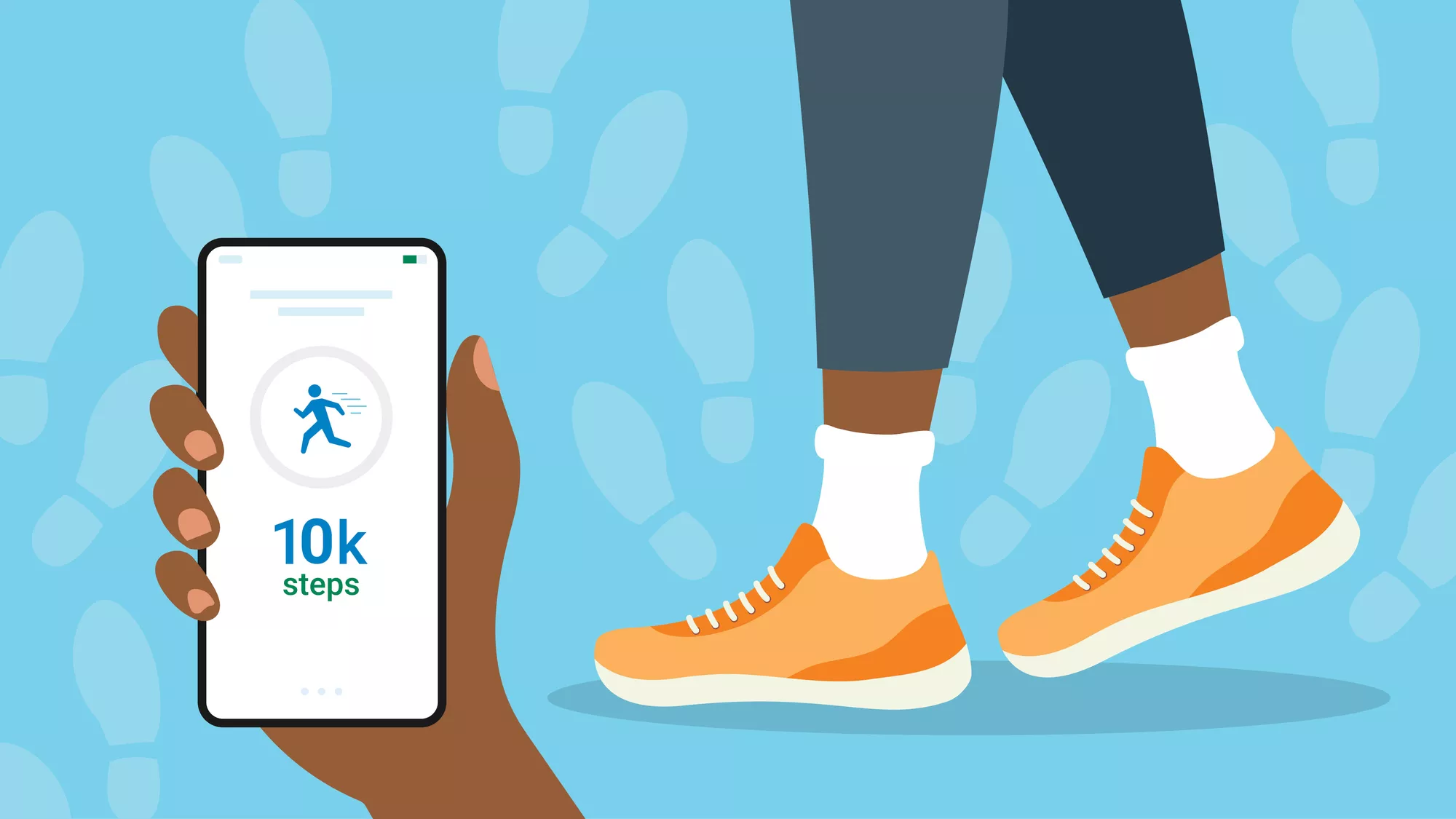
The idea of walking 10,000 steps a day has become a simple benchmark for staying active, but for many people it can feel out of reach at first. What matters most is not hitting the number overnight, but building a routine that fits into daily life without stress.
Research from health institutions shows that regular walking supports heart health, weight management, and mental well-being, even at lower step counts than 10,000 . The goal is consistency, not pressure. This article breaks down how to naturally grow your daily movement until 10,000 steps becomes a normal part of your routine.
Why 10,000 Steps Became the Goal
The 10,000 steps target is widely known, but it did not start as a strict medical rule. It gained popularity after being used in pedometer marketing in Japan during the 1960s. Over time, it became a global fitness benchmark because it is simple, memorable, and motivating.
Modern research suggests the number is helpful, but not absolute. Many health benefits begin well below 10,000 steps, often around 7,000 steps per day depending on lifestyle and intensity . Still, 10,000 remains a useful long-term target for building daily movement.
Start with Your Real Baseline
Before aiming higher, it helps to understand your current activity level. Most adults naturally walk somewhere between 3,000 to 6,000 steps per day, depending on work and routine.
Tracking your steps for a few days gives you a clear starting point. Once you know your baseline, you can add small increases instead of trying to jump straight to a big goal.
A realistic approach is adding 500 to 1,000 extra steps per day each week, which keeps progress steady without burnout.
Build Movement into Daily Routines

One of the easiest ways to reach higher step counts is not by “finding time” for walking, but by blending movement into things you already do.
Simple changes make a big difference:
- Walk while making phone calls
- Take stairs instead of elevators
- Park slightly farther from entrances
- Walk during short breaks at work
These small actions add up quickly without requiring a full workout session. Over time, they become automatic habits rather than extra effort.
Use Short Walks Instead of One Long Walk
Many people think they need a single long walk to reach fitness goals, but that is not necessary. Short walks throughout the day work just as well.
For example:
- A 10-minute morning walk
- A 10-minute afternoon break walk
- A 10–15 minute evening walk
This approach keeps movement spread out, which feels easier on the body and schedule. Research also shows that short bouts of walking still contribute meaningfully to overall health and activity levels .
Turn Everyday Tasks into Step Opportunities
Daily life already includes movement, but most of it is passive. With small changes, routine tasks can help build your step count naturally.
Try these ideas:
- Walk while shopping instead of standing still
- Clean the house with more movement and pacing
- Walk around while waiting for tasks or cooking
- Take extra laps when going somewhere nearby
This approach removes the idea that walking is a separate activity. Instead, it becomes part of how you move through your day.
Use Post-Meal Walks for Easy Progress
Walking after meals is one of the simplest habits to build.
A short 5 to 10 minute walk after eating helps increase daily steps without feeling like exercise. It also supports digestion and helps reduce long periods of sitting.
If done after breakfast, lunch, and dinner, these small walks alone can add a significant number of steps over time.
Increase Steps Without Realizing It
One of the best strategies is to increase movement without focusing on counting every step.
Examples include:
- Taking longer routes inside buildings
- Walking while thinking or planning
- Doing quick pacing during breaks
- Exploring nearby streets or parks
This approach works because it shifts walking from a task into a natural behavior.
Studies on physical activity suggest that overall movement throughout the day matters more than isolated exercise sessions . That means even small movements throughout the day matter.
Stay Consistent Instead of Perfect
Consistency is more important than intensity when building a walking habit.
Missing a day does not matter. What matters is returning to the habit the next day. Over time, the body adapts, and walking becomes less of an effort and more of a routine.
A helpful mindset is focusing on weekly progress rather than daily perfection.
Avoid Common Mistakes
Many people struggle with step goals because of a few common mistakes:
- Trying to reach 10,000 steps immediately
- Relying only on one long walk per day
- Ignoring rest or recovery
- Getting discouraged by missed goals
A gradual approach prevents injury and keeps motivation stable. Walking is meant to support your life, not overwhelm it.
How Long It Takes to Reach 10,000 Steps
There is no fixed timeline. It depends on your starting point and consistency.
For most people:
- A few weeks: noticeable improvement in daily movement
- 1–2 months: habit becomes more natural
- 2–3 months: 10,000 steps feels achievable on most days
The key is slow progression, not speed. Your body adjusts better when increases are steady.
Why the Habit Matters More Than the Number
The real benefit of aiming for 10,000 steps is not the number itself, but the lifestyle shift it creates.
Regular walking is linked with better heart health, improved mood, and reduced risk of chronic conditions . But even lower step counts already provide meaningful health benefits for most people .
So the goal is not perfection. It is building a routine where movement is part of your everyday life.
Conclusion
Reaching 10,000 steps a day is less about discipline and more about small, repeatable habits. When walking becomes part of your normal routine, the number stops feeling like a target and starts feeling like a natural outcome.
Start where you are, build slowly, and let consistency do the work. Over time, your daily steps increase without forcing it, and the habit becomes something you maintain without effort.
FAQs
1. Do I need to walk 10,000 steps every day?
No. Many health benefits appear at lower step counts, and consistency matters more than hitting an exact number.
2. How can beginners start increasing steps?
Start with your current average and add small increases each week, such as 500 extra steps per day.
3. Is it better to walk all at once or in parts?
Breaking walking into short sessions throughout the day is just as effective and often easier to maintain.
4. How long does it take to build the habit?
Most people notice a stable routine forming within a few weeks if they stay consistent.
5. Can daily walking help with weight control?
Yes. Regular walking supports calorie burn, metabolism, and overall activity levels when combined with a balanced lifestyle.
