Introduction
Fresh basil is one of those herbs that can transform a simple dish into something memorable. The problem is, it doesn’t last long. Within a few days, those vibrant green leaves start to wilt, darken, and lose their aroma.
That’s why learning how to freeze fresh basil properly matters. Freezing gives you a practical way to preserve its flavor for months, so you can enjoy that fresh taste even when basil isn’t in season.
In this guide, you’ll learn the most reliable methods, what actually works, and how to avoid the common mistakes that ruin basil in the freezer.
Why Freezing Fresh Basil Works So Well
Freezing is widely considered one of the best preservation methods for basil because it helps retain its essential oils, which are responsible for its aroma and flavor. Unlike drying, which can reduce these oils significantly, freezing keeps much of that freshness intact.
Another reason freezing works is that it slows down enzyme activity. These enzymes are what cause basil to brown and spoil. When properly frozen, basil can last up to 12 months without major flavor loss.
However, it’s worth noting that freezing does affect texture. Basil becomes soft after thawing, which means it’s better suited for cooking rather than fresh salads.
Choosing the Right Basil for Freezing
Not all basil freezes equally well. The quality of your starting leaves makes a big difference.
Look for leaves that are bright green, firm, and free from dark spots. Avoid basil that is already wilted or damaged because freezing won’t improve its condition.
Fresh basil is actually sensitive to cold temperatures and can develop blackened leaves if stored incorrectly. That’s why proper preparation before freezing is essential.
If you’re harvesting basil yourself, pick it in the morning when the oils are strongest. This helps preserve maximum flavor during freezing.
Preparing Basil for Freezing
Washing and Cleaning
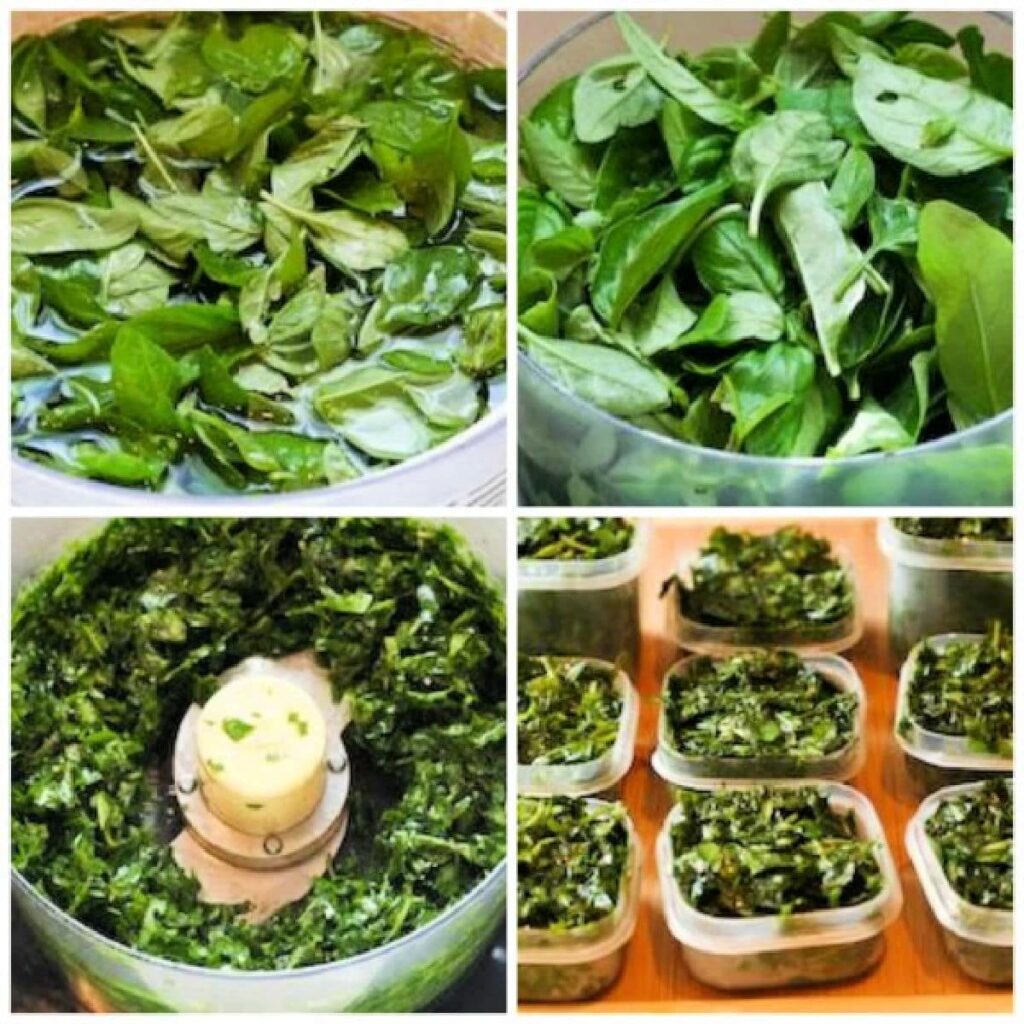
If your basil comes from a store or garden, gently rinse it under cool water to remove dirt or insects. Avoid soaking it too long, as excess water can damage the leaves.
Drying the Leaves
Drying is one of the most important steps. Moisture leads to ice crystals, which can damage the leaves and reduce flavor.
Pat the leaves dry with a clean towel or use a salad spinner. Make sure they are completely dry before freezing.
Removing Stems and Sorting
You can freeze basil with or without stems, but most people prefer removing them for convenience. Separate large, healthy leaves from smaller or damaged ones so you can use them more efficiently later.
Best Ways to Freeze Fresh Basil
Freezing Whole Basil Leaves
This is the simplest method and works well if you want to keep the leaves intact.
Start by placing dry basil leaves in a single layer on a tray. Freeze them for a short time until solid, then transfer them into an airtight bag. This process, known as flash freezing, prevents the leaves from sticking together.
You can also blanch the leaves briefly before freezing. Blanching helps preserve the green color by stopping enzyme activity, though it adds an extra step.
This method is ideal for soups, sauces, and cooked dishes.
Freezing Chopped Basil
Chopping basil before freezing makes it easier to use later.
Simply chop the leaves into small pieces, place them in freezer-safe containers or bags, and store them. You can portion them into small amounts so you don’t have to thaw everything at once.
This method is convenient for everyday cooking, especially when you need quick flavor additions.
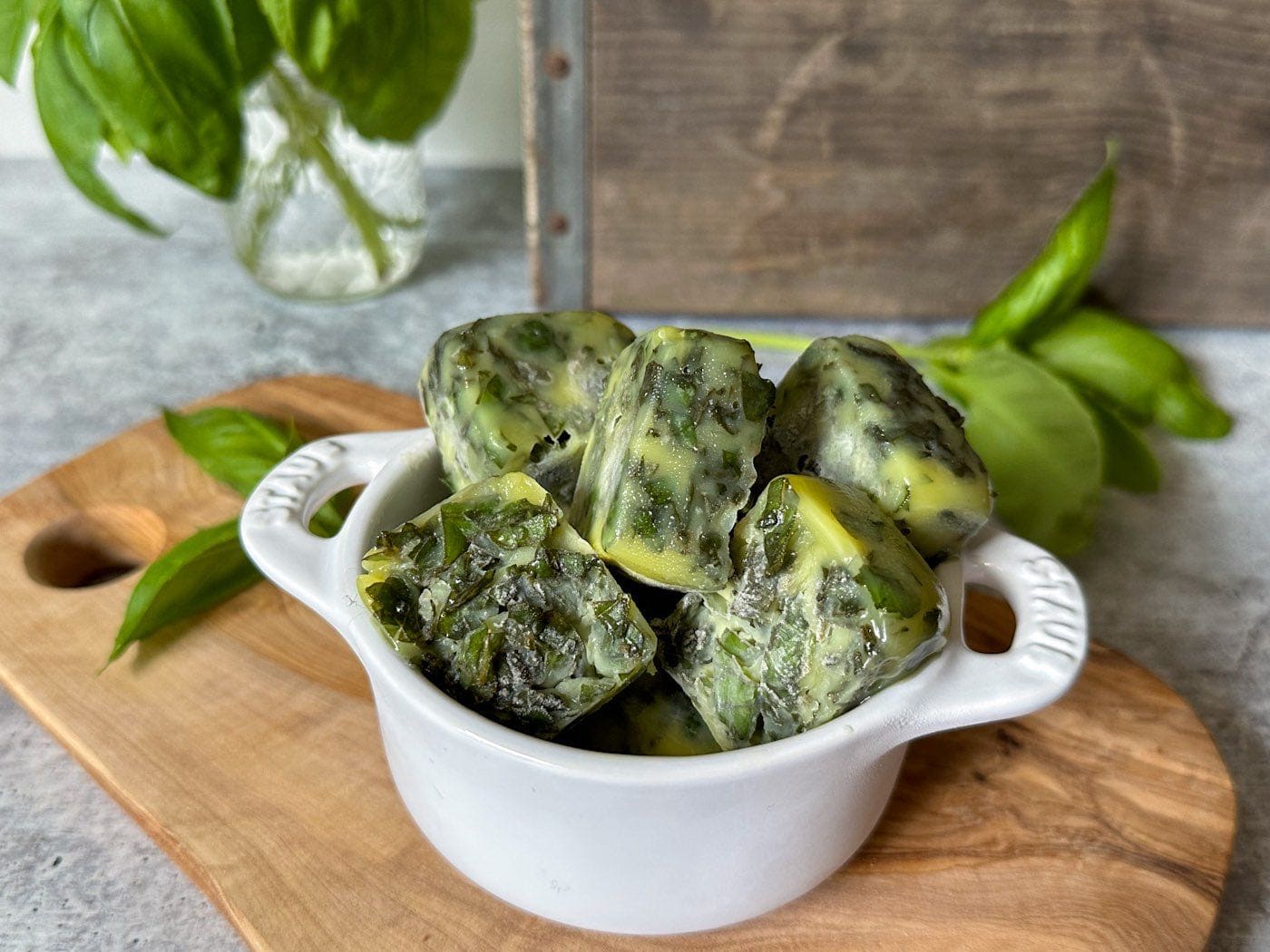
Freezing Basil in Ice Cube Trays
This is one of the most popular and practical methods.
Chop the basil and place it into ice cube trays. Then add either water or olive oil before freezing. Once frozen, transfer the cubes into freezer bags for storage.
Using olive oil is particularly effective because it helps protect the basil from air exposure, preserving both color and flavor.
These cubes are perfect for dropping directly into sauces, soups, or stir-fries.
Making Basil Paste for Freezing
If you want maximum flavor retention, turning basil into a paste is a smart option.
Blend fresh basil with a small amount of olive oil until it forms a thick mixture. Then freeze it in small portions or ice cube trays.
This method works especially well for pesto, pasta sauces, and marinades. It also reduces oxidation, which helps maintain that fresh green color.
How Long Does Frozen Basil Last?
When stored properly in airtight containers at freezing temperatures, basil can last up to 6 to 12 months.
For the best flavor, try to use it within the first six months. Over time, the aroma may fade, even if the basil is still safe to eat.
Always label your containers with the date so you can keep track of freshness.
Tips to Preserve Flavor and Color
Keeping basil fresh in the freezer is all about reducing exposure to air and moisture.
Use airtight containers or freezer bags and remove as much air as possible. This helps prevent freezer burn.
If you want better color retention, consider blanching the leaves before freezing. This step deactivates enzymes that cause browning.
Adding olive oil is another useful trick. It acts as a protective layer that keeps the basil from oxidizing and turning dark.
Common Mistakes to Avoid
One of the biggest mistakes is freezing basil while it’s still wet. This leads to ice crystals and poor texture.
Another issue is overpacking containers. When basil is compressed too tightly, it can lose quality faster.
Skipping proper preparation, like drying or blanching, can also result in blackened leaves and reduced flavor.
Finally, avoid refreezing basil once it has thawed. This can significantly degrade its taste and texture.
How to Use Frozen Basil
Frozen basil works best in cooked dishes. Since it becomes soft after thawing, it’s not ideal for garnishes or salads.
You can add it directly to soups, sauces, pasta, or stews without thawing. For pesto or dressings, let it thaw slightly before blending.
Despite the texture change, the flavor remains strong enough to enhance most dishes.
Freezing vs Drying Basil
Drying basil is another preservation method, but it produces a very different result.
Drying removes much of the herb’s essential oils, which leads to a weaker flavor. Freezing, on the other hand, keeps more of those natural compounds intact.
If you want bold flavor for cooking, freezing is usually the better choice. Drying works better for long-term storage where convenience matters more than freshness.
Conclusion
Freezing is one of the most effective ways to preserve basil without losing its signature flavor. Once you understand how to freeze fresh basil, it becomes easy to store large batches and reduce waste.
Whether you prefer whole leaves, chopped portions, or oil-based cubes, each method has its own advantages. The key is proper preparation and airtight storage.
With the right approach, you can enjoy fresh basil flavor in your cooking all year round.
FAQs
Can you freeze fresh basil without blanching?
Yes, you can freeze basil without blanching. However, blanching helps preserve color and slows down browning, so it’s recommended for long-term storage.
What is the best way to freeze basil for cooking?
Freezing basil in olive oil using ice cube trays is one of the most practical methods. It preserves flavor and gives you ready-to-use portions.
Does freezing basil change its taste?
The flavor remains mostly intact, but the texture becomes soft. That’s why frozen basil is best used in cooked dishes rather than fresh applications.
Why does frozen basil turn black?
This happens بسبب enzyme activity and oxidation. Proper drying, blanching, or adding oil can help prevent discoloration.
Can you refreeze basil after thawing?
It’s not recommended. Refreezing can degrade both flavor and texture, making the basil less enjoyable to use.
