Introduction
Chimichurri sauce is one of those simple recipes that quietly transforms a dish. It doesn’t rely on heavy ingredients or complicated techniques. Instead, it brings together fresh herbs, garlic, oil, and acidity to create something bright and balanced.
Originally from South America, this sauce has found its way into kitchens around the world. It’s loved not just for its flavor but for how easily it fits into everyday cooking. Whether you’re grilling meat, roasting vegetables, or putting together a quick sandwich, chimichurri sauce adds a fresh layer of taste without much effort.
In this guide, you’ll get a complete understanding of what makes chimichurri special, how to make it properly, and how to use it in a way that feels natural in your own cooking.
What Is Chimichurri Sauce
Chimichurri sauce is an uncooked herb-based condiment that comes from Argentina and Uruguay. It’s traditionally served with grilled meats, especially steak, and is considered a staple in South American barbecue culture.
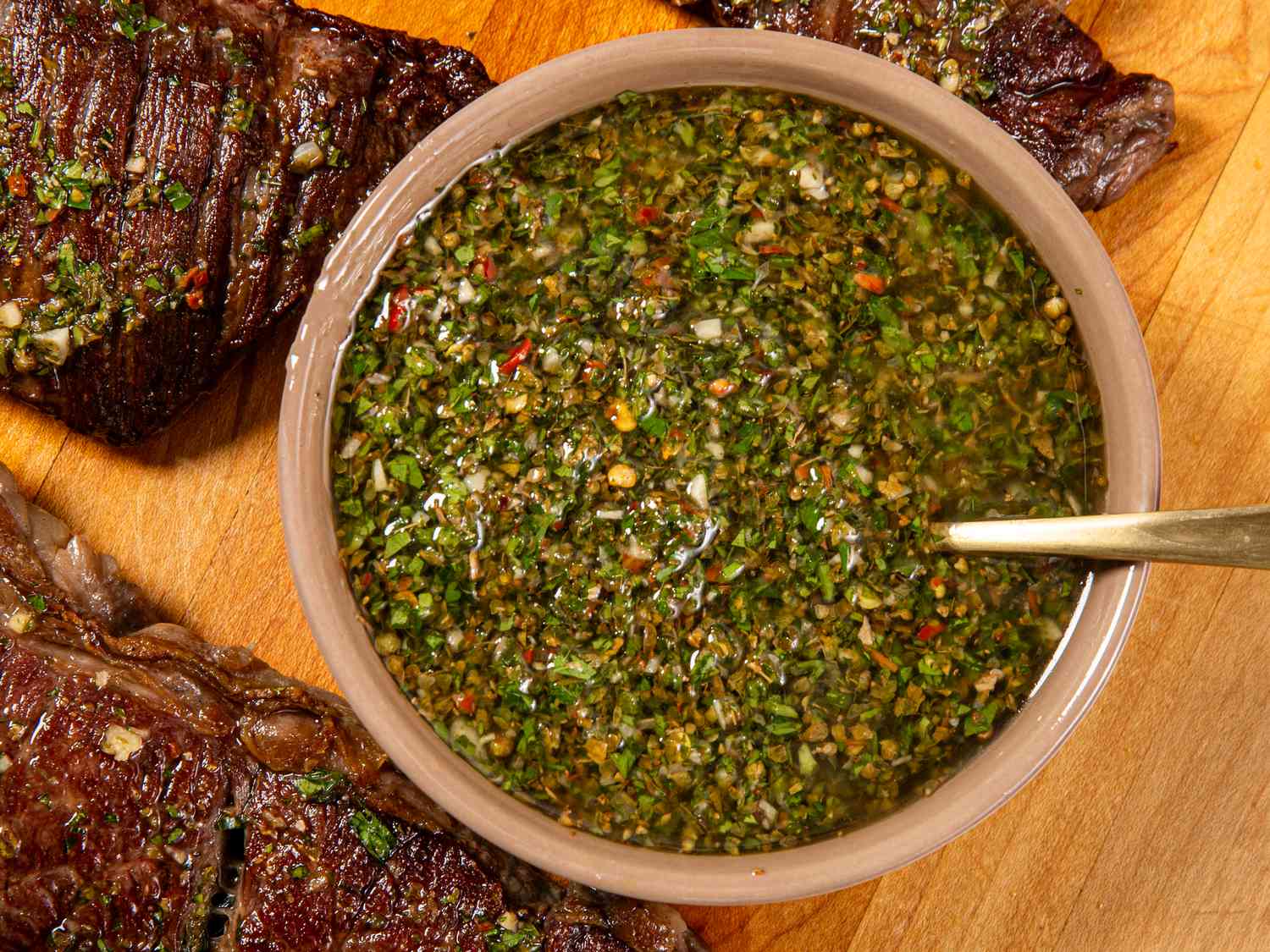
At its core, chimichurri is a mix of finely chopped herbs, garlic, olive oil, vinegar, and seasonings. The result is a sauce that feels fresh, slightly tangy, and gently spicy depending on how it’s made.
Unlike creamy or cooked sauces, chimichurri keeps its raw texture. This is part of what makes it stand out. You can taste each ingredient individually, yet they come together in a way that feels balanced and complete.
Why Chimichurri Sauce Is So Popular
There’s a reason chimichurri sauce has moved far beyond its origins. It offers something many sauces don’t.
First, the flavor is clean and vibrant. The combination of herbs and vinegar creates a brightness that cuts through rich foods like grilled meat.
Second, it’s incredibly versatile. You can use it as a topping, a marinade, or even a dip. It works just as well with vegetables as it does with protein.
Another reason is simplicity. The ingredients are basic and widely available. You don’t need special equipment or advanced cooking skills to make a good batch.
Finally, it fits well into modern eating habits. Many people prefer fresh, less processed foods, and chimichurri naturally aligns with that approach.
Key Ingredients in Chimichurri Sauce
The beauty of chimichurri sauce lies in its simplicity. Each ingredient plays a clear role.
Fresh Herbs
Parsley is the foundation of traditional chimichurri. It gives the sauce its green color and fresh taste. Some versions also include cilantro or oregano for added depth.
Fresh herbs are essential here. Dried herbs simply don’t provide the same brightness or texture.
Garlic
Garlic brings sharpness and intensity. It’s one of the defining flavors of chimichurri, and even a small amount makes a noticeable difference.
Olive Oil
Olive oil ties everything together. It smooths out the sharpness of the garlic and vinegar while adding richness.
Vinegar or Lemon Juice
Acidity is what gives chimichurri its signature tang. Red wine vinegar is the most common choice, though lemon juice is sometimes used as a substitute.
Spices and Seasonings
Red pepper flakes add a subtle heat. Salt and black pepper balance the overall flavor. Some variations include paprika or cumin for a deeper profile.
Most traditional recipes follow this simple structure, combining herbs, garlic, oil, vinegar, and spices into a balanced mixture.
How to Make Chimichurri Sauce
Making chimichurri sauce is straightforward, but small details make a big difference.
Start by washing and drying your herbs thoroughly. Chop them finely using a knife rather than blending too much. This helps preserve texture.
Mince the garlic as finely as possible so it distributes evenly through the sauce.
Combine the herbs, garlic, and spices in a bowl. Add vinegar first, then slowly mix in olive oil. This allows you to control the consistency.
Some people use a food processor, which works well if you prefer a smoother texture. Just be careful not to over-blend, as the sauce can turn too pasty.
Once everything is mixed, let the sauce rest for at least 20 to 30 minutes. This allows the flavors to develop and blend together. In many recipes, resting for even an hour improves the taste noticeably.
Tips for the Perfect Chimichurri Sauce
A good chimichurri comes down to balance.
Use fresh ingredients whenever possible. This is not a sauce where you can hide poor quality.
Avoid over-processing. Chimichurri should have texture, not a completely smooth consistency.
Taste as you go. Adjust the salt, acidity, and spice based on your preference.
Let it sit before serving. This step is often overlooked, but it makes a real difference in flavor.
Common Variations of Chimichurri Sauce
While the classic version is green, there are a few common variations worth knowing.
Red Chimichurri
This version includes paprika or red peppers, giving it a deeper color and a slightly smoky flavor.
Spicy Chimichurri
Extra chili flakes or fresh chilies can be added for more heat. This works well if you prefer a stronger kick.
Cilantro-Based Chimichurri
Some recipes replace parsley with cilantro, creating a slightly different flavor profile that pairs well with seafood and lighter dishes.
Even with these variations, the core idea remains the same: fresh herbs combined with oil and acidity.
Best Ways to Use Chimichurri Sauce
One of the strengths of chimichurri sauce is how flexible it is in the kitchen.
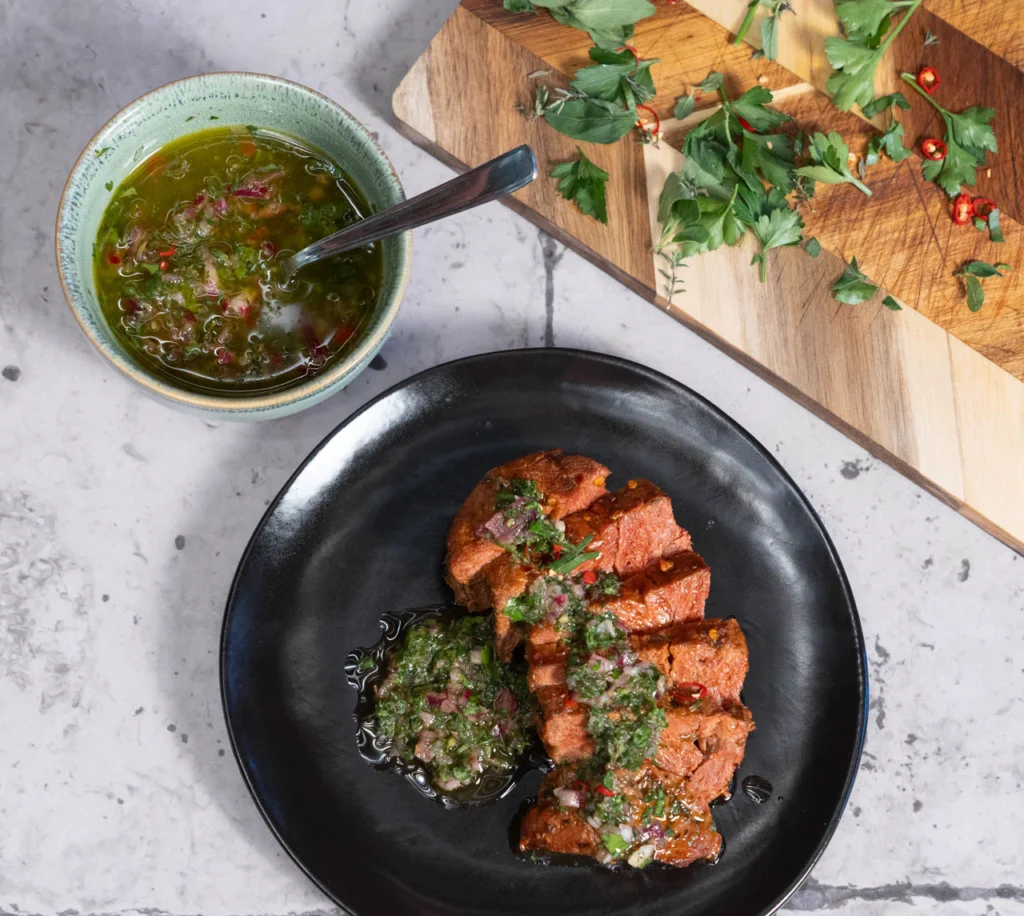
It’s most commonly served with grilled meats. In Argentina, it’s almost a standard accompaniment for steak, adding freshness to rich, smoky flavors.
It also works well with seafood. A spoonful over grilled fish or shrimp can completely change the dish.
As a marinade, chimichurri helps infuse flavor before cooking. The vinegar and garlic penetrate the food, making it more flavorful.
You can also use it with vegetables. Roasted potatoes, grilled zucchini, or even simple salads benefit from a touch of chimichurri.
It’s equally good as a spread. Add it to sandwiches, wraps, or even toast for a quick upgrade.
Health Benefits of Chimichurri Sauce
Chimichurri sauce is often considered a healthier alternative to heavier condiments.
The base of fresh herbs provides vitamins and antioxidants. Parsley, for example, contains vitamins A, C, and K, which support overall health.
Olive oil adds healthy fats, which are known to support heart health when used in moderation.
Another advantage is what it doesn’t contain. Chimichurri is typically free from added sugars, preservatives, and artificial ingredients, making it a clean option for many diets.
Because it’s flavorful, you often need less of it compared to heavier sauces, which can also help control calorie intake.
How to Store Chimichurri Sauce
Chimichurri sauce stores well if handled properly.
Keep it in an airtight container in the refrigerator. It usually stays fresh for about one week.
Before storing, make sure the herbs are fully covered in oil. This helps preserve freshness and prevents oxidation.
If the sauce thickens or separates, simply stir it before using.
Some people freeze chimichurri in small portions, though fresh is always better for flavor and texture.
Common Mistakes to Avoid
A few small mistakes can affect the final result.
Using dried herbs instead of fresh ones is one of the biggest issues. It changes both the taste and texture.
Adding too much oil can make the sauce feel heavy. Too much vinegar can make it overly sharp. Balance is key.
Over-blending can turn the sauce into a paste, which removes its character.
Skipping the resting time is another common mistake. Freshly mixed chimichurri tastes good, but it tastes much better after sitting for a while.
Serving Ideas and Pairing Suggestions
Chimichurri sauce fits naturally into many meals.
Pair it with grilled chicken or steak for a classic combination. Add it to roasted vegetables for a simple side dish with more flavor.
It works well with rice, pasta, or grain bowls, adding freshness without needing extra sauces.
You can even drizzle it over eggs or avocado toast for a quick, flavorful breakfast.
Once you start using chimichurri regularly, it becomes one of those go-to additions that improves almost anything on the plate.
Salmon Bites Recipe That’s Crispy, Juicy, and Easy to Make
FAQs
1. Can I make chimichurri sauce ahead of time?
Yes, chimichurri sauce is actually better when made ahead. Letting it sit for a few hours allows the flavors to blend and deepen. You can prepare it the same day or even a day in advance for the best taste.
2. How long does chimichurri sauce last in the fridge?
When stored in an airtight container, chimichurri sauce usually stays fresh for up to one week in the refrigerator. Keeping the herbs covered with oil helps maintain its flavor and color.
3. Can I freeze chimichurri sauce?
Yes, you can freeze it in small portions using ice cube trays. While freezing may slightly change the texture, the flavor remains good and works well for cooking or marinades.
4. What can I use instead of parsley?
If you don’t have parsley, you can use cilantro or a mix of fresh herbs. This will slightly change the flavor, but it still creates a fresh and balanced sauce.
5. Is chimichurri sauce spicy?
Traditional chimichurri sauce is mildly spicy at most. The heat comes from red pepper flakes, and you can easily adjust the level based on your preference.
