What Is Grabba
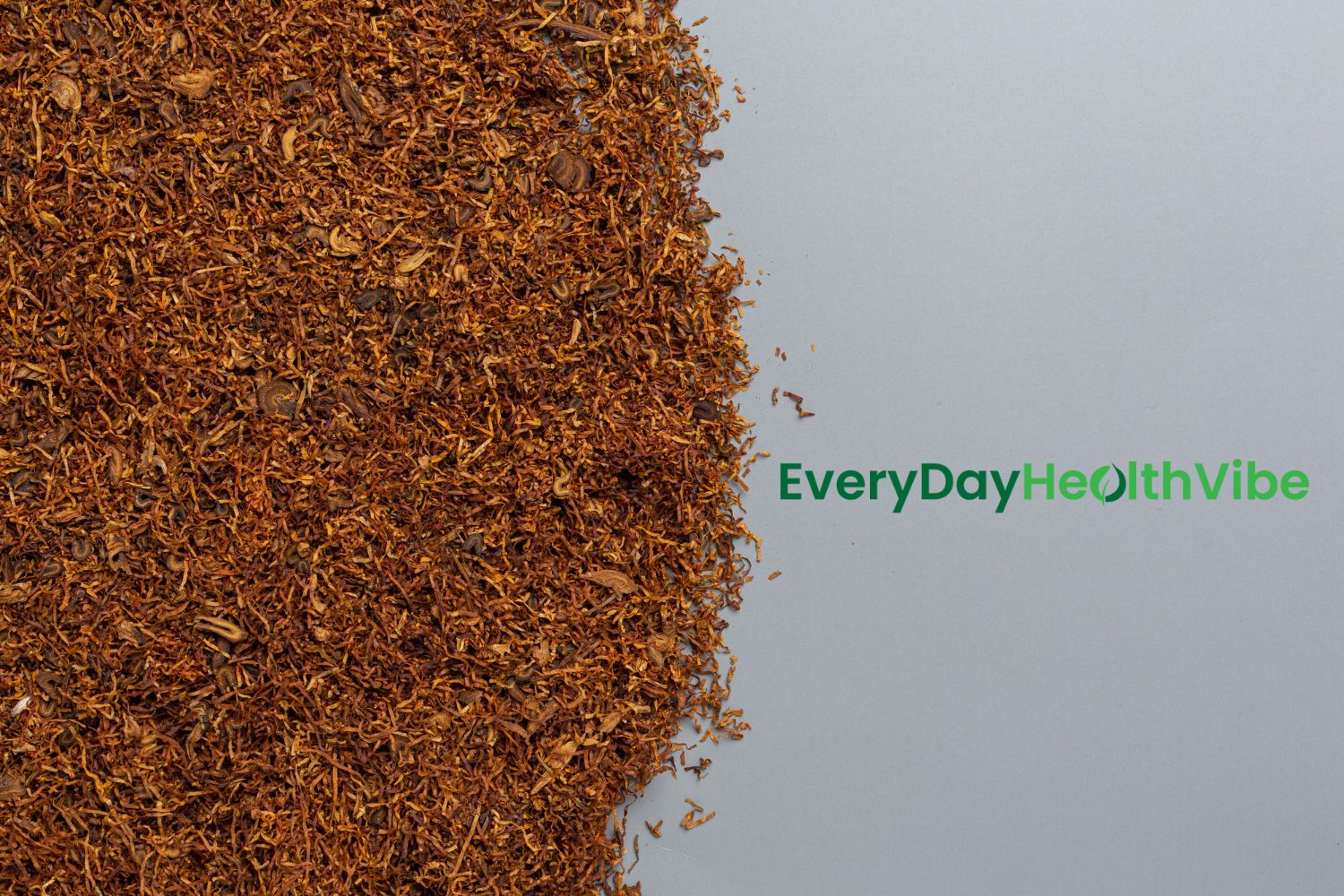
Understanding what is grabba begins with recognizing that it is a type of natural tobacco leaf, often chosen for its strong flavor, thick texture, and powerful nicotine effect. Many people use Grabba as a raw leaf for rolling, smoking, or blending with other substances. Although it is sometimes viewed as a more “natural” form of tobacco, it still contains nicotine and the same core chemicals found in tobacco plants.
Grabba is typically cured, dried, and sometimes darkened to enhance its flavor. Because it is not always processed to the extent of regular cigarette tobacco, some users assume it is a cleaner or safer choice. However, even unprocessed tobacco leaves carry nicotine, tar-producing compounds, and natural plant toxins that become harmful when burned or inhaled. The belief that Grabba is somehow less damaging simply because it is a leaf is one of the most common misconceptions surrounding its use.
Why People Use Grabba
People gravitate toward Grabba for several reasons. One of the strongest motivations is the perception that it is more natural than manufactured cigarette tobacco. For some, the idea of using an unprocessed leaf feels more authentic and closer to tradition. Grabba also provides a much stronger flavor profile, something many users appreciate when mixing it with other smokable materials.
Another major reason for its popularity is the strong nicotine effect it delivers. Grabba is potent, and even a small amount can feel more intense than typical cigarette smoke. Users often mention that it burns slowly, produces a heavier smoke, and offers a more robust hit. In regions where Grabba is readily available, it may also be more affordable than other tobacco products.
Social and cultural influence plays a role as well. In certain communities, using natural leaf tobacco is a shared experience, a ritual, or simply a choice passed down through social circles. Over time, the practice becomes normalized, and individuals may use Grabba without fully considering the health implications.
How Grabba Is Used
Grabba is most commonly smoked. Users may crumble the leaf, roll it into cigars or wraps, or mix it with other substances to create custom blends. Some prefer to heat and dry the leaf further before cutting it, believing that it improves the texture and makes the leaf easier to blend.
The leaf can also be used in its whole form, rolled tightly to create a stronger smoke. This method releases dense, heavy smoke due to the thickness of the leaf. Others prefer shredding it into thin strands and mixing it to tone down or enhance flavor depending on preference.
Regardless of the method, the underlying mechanism remains the same: burning the leaf and inhaling the smoke. This is where most of the health impact comes from, as smoke inhalation exposes the body to thousands of chemicals produced during combustion.
The Reality of Smoke Exposure
A key part of understanding what is grabba is recognizing what happens when any tobacco leaf is burned. The moment combustion begins, harmful chemicals are released, including tar, carbon monoxide, benzene, formaldehyde, and dozens of carcinogens. These chemicals create a health burden similar to — and sometimes stronger than — commercial tobacco products.
Grabba smoke is often thicker and harsher due to the leaf’s strength, which can make the exposure more intense. For the lungs, this means additional strain, irritation, and potential long-term damage. The heart also reacts to nicotine and smoke, leading to elevated heart rate, increased blood pressure, and stress on the cardiovascular system.
Because Grabba is sometimes stronger than regular tobacco, users may inhale more deeply or more frequently to achieve the desired effect. Over time, this can heighten the negative health consequences.
Health Risks You Should Know
Any tobacco product, including Grabba, carries significant risks. Despite being natural or unprocessed, the leaf still contains the same compounds responsible for addiction and long-term disease.
Nicotine Dependence
Nicotine is naturally present in all tobacco leaves. Grabba carries a substantial amount, which can cause rapid dependence. Addiction develops as the body becomes accustomed to nicotine levels and begins to require regular intake to feel “normal.” This cycle can make quitting difficult and increase overall health risks.
Respiratory Damage
Inhaling smoke repeatedly exposes the lungs to irritants that lead to inflammation and damage. Over time, this increases the risk of chronic bronchitis, decreased lung capacity, persistent coughing, and a higher likelihood of respiratory infections.
Cardiovascular Stress
Tobacco smoke impacts heart health. Regular exposure contributes to high blood pressure, stiffened arteries, reduced oxygen delivery, and elevated risk of heart disease and stroke. The stronger smoke from Grabba can magnify these issues.
Cancer Risks
Combusting any tobacco leaf releases carcinogenic compounds. These substances increase the risk of cancers affecting the lungs, throat, mouth, esophagus, and other organs. Even occasional smoking adds cumulative exposure over time.
Oral Health Effects
Using Grabba — whether smoked or kept in the mouth — can damage gums, teeth, and soft tissues. Staining, gum recession, tooth decay, and painful oral lesions become more likely with prolonged use.
Toxic Chemical Exposure
Tobacco plants can absorb metals and contaminants from soil. These remain in the leaf and can be introduced into the body through smoke or saliva. Continuous exposure heightens long-term health risks.
The Misleading “Natural” Label
Some people assume Grabba is safer than processed cigarette tobacco because it comes in leaf form. However, the idea that “natural” equals “healthy” is misleading. Natural products can still be harmful — and in the case of tobacco, the danger comes from the nicotine and the chemicals released during burning.
Grabba does not escape the fundamental reality: burning organic material creates toxic byproducts. This applies whether the product is a cigarette, a pipe tobacco blend, or a raw leaf. The presence of nicotine alone classifies Grabba as a substance with addictive and damaging potential.
In fact, because Grabba tends to be stronger and thicker, smoking it may lead to deeper inhalation and more intense exposure than lighter tobacco blends.
What Research Highlights
Across studies, health researchers emphasize that there is no safe form of tobacco use. Whether the leaf is processed, shredded, cured, rolled, or smoked whole, the health risks stem from combustion, nicotine, and the thousands of chemicals produced when tobacco burns.
Long-term studies link tobacco smoke to diseases that affect nearly every organ of the body. Respiratory diseases, cancers, cardiovascular illnesses, weakened immunity, and oral health issues remain consistent patterns among users. Natural leaf tobacco products like Grabba fall within these same risk categories.
Even smokeless tobacco — which Grabba can also resemble when used in certain ways — is associated with serious health concerns, including oral cancers and gum disease. This reinforces the idea that the method of use does not remove inherent dangers.
Things to Consider Before Using Grabba
Before engaging with Grabba, it is important to have an honest understanding of what it is and how it impacts the body. Consider the following points:
- Natural does not mean harmless.
- The nicotine content can lead to fast and strong addiction.
- Thick smoke from Grabba can be harsher on the lungs than regular tobacco.
- Long-term use increases the risk of disease.
- Mixing Grabba with other substances can further increase health risks.
- Occasional use still contributes to cumulative exposure.
Making informed decisions means looking at both short-term enjoyment and long-term impact. Many people underestimate the risks of using natural leaf tobacco simply because it appears unprocessed.
Healthier Alternatives
If someone is seeking a shift away from heavy tobacco use, there are alternatives that reduce or eliminate exposure to harmful chemicals. Nicotine-free herbal blends, smoke-free tools, and professional cessation methods can help reduce dependency. Medical professionals often recommend completely avoiding tobacco in any form to protect long-term health.
The decision to quit or reduce usage is personal, but support exists for those who choose that path. Understanding what is grabba is the first step toward making a choice that aligns with personal health goals.
Conclusion
Grabba may appear to be a raw, simple tobacco leaf, but its impact extends far beyond its natural appearance. It carries nicotine, produces harmful smoke, and exposes the body to toxins and carcinogens. While some people enjoy its strong flavor and cultural associations, the health risks remain real and well-documented.
The truth is straightforward: no tobacco product is harmless. Whether used occasionally or regularly, Grabba affects the lungs, heart, mouth, and overall well-being. Understanding what Grabba truly is enables individuals to make better choices — ones that prioritize long-term health and informed decision-making.
How wellhealthorganic.com Effective Natural Beauty Tips Inspire a Healthier Beauty Routine
FAQs
1. What is Grabba made from?
Grabba is made from whole, dried tobacco leaves that are often cured or darkened for stronger flavor. The leaf is typically used in its natural, unprocessed form.
2. Is Grabba stronger than regular tobacco?
Yes, Grabba usually delivers a stronger hit because the leaf is thick and potent. Its natural form often contains more nicotine compared to lighter tobacco blends.
3. Why do people believe Grabba is safer?
Many think Grabba is safer because it looks natural and less processed, but it still contains nicotine and produces harmful smoke when burned.
4. Can using Grabba lead to addiction?
Yes. Grabba contains nicotine, which is addictive. Regular use can create dependence and make quitting difficult over time.
5. Are there healthier alternatives to Grabba?
Herbal blends without nicotine, smoke-free options, or nicotine-reduction aids can help reduce health risks. Fully avoiding tobacco is the safest choice.
