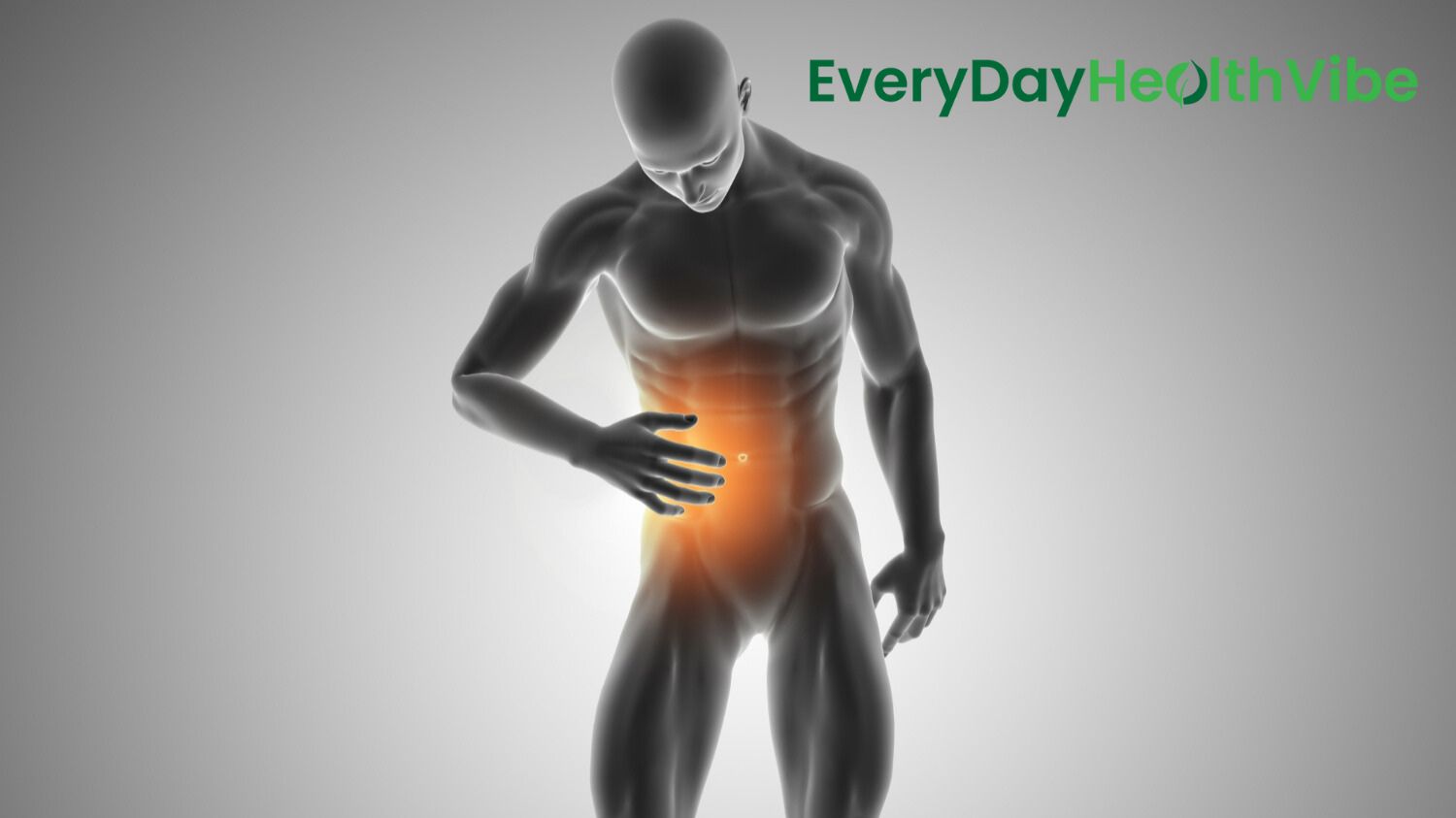
When you enjoy a meal and notice that your stomach feels heavy or slow afterward, it’s natural to wonder what’s happening internally. Many people ask the same question: why does bikimsum take long to digest? Digestive speed varies from person to person, and different foods move through the system at different rates. Some are light and quick, while others stay longer, requiring more work from your stomach and intestines.
This article offers a calm, clear explanation of why bikimsum — or foods with similar qualities — may take more time to digest, and what you can do to support your digestive comfort.
A Gentle Introduction to Digestion and How Food Moves Through the Body
Digestion begins the moment you take your first bite. Your teeth break food down mechanically, your saliva begins chemical digestion, and then the food travels to your stomach, where acids and enzymes continue the breakdown process. Afterward, food moves to the small intestine for nutrient absorption and finally to the large intestine for water removal and waste formation.
This entire journey can take many hours or even days depending on:
- The type of food
- Its texture and density
- How much you ate
- Your digestive health
- Your hydration and stress levels
Dense or complex foods naturally take longer. Light, simple foods pass more quickly.
Understanding Why Some Foods Take Longer Than Others
Digestive speed depends on more than just the food itself. Several important factors determine how long food stays in the stomach and how smoothly it moves through the intestines.
Food Composition
Foods that contain a lot of fat, protein, or heavy starches take longer to digest because they require more chemical breakdown.
Food Texture and Density
Dense or sticky foods linger longer in the stomach because they need more mechanical churning to break into smaller particles.
Portion Size
Large meals delay stomach emptying simply because there is more material to process.
Food Combinations
When heavy foods are mixed with rich sauces, oils, or multiple course-style dishes, digestion becomes slower and more demanding.
Individual Differences
Each person’s digestive system works differently. Gut motility, stomach acid levels, enzyme activity, and even emotional states like stress or anxiety can affect digestion.
These factors provide the foundation for understanding why does bikimsum take long to digest for many people.
Why Bikimsum May Take Longer to Digest
While “bikimsum” may vary depending on preparation, regional style, or ingredients, several common characteristics can make it naturally slow to digest.
Dense or Chewy Texture
If bikimsum has a thick, gummy, or dense consistency, the stomach must work harder to break it down. Foods with this structure take more time before they can pass into the small intestine.
Heavy or Complex Ingredients
If bikimsum includes high-starch ingredients, sticky forms of dough, added oils, or rich fillings, these require more effort from digestive enzymes, slowing digestion.
Portion Size
People often eat bikimsum in larger quantities or alongside other rich foods. A big meal means the stomach must process a larger volume, which slows everything down.
Combination with Other Dishes
If you pair bikimsum with fatty foods, meats, or creamy sauces, the overall meal becomes heavier and takes longer for your stomach to handle.
Your Personal Digestion Pattern
Some people simply digest food more slowly. This isn’t a problem — it’s just how their bodies function. If you naturally have slower gastric emptying, bikimsum may linger longer.
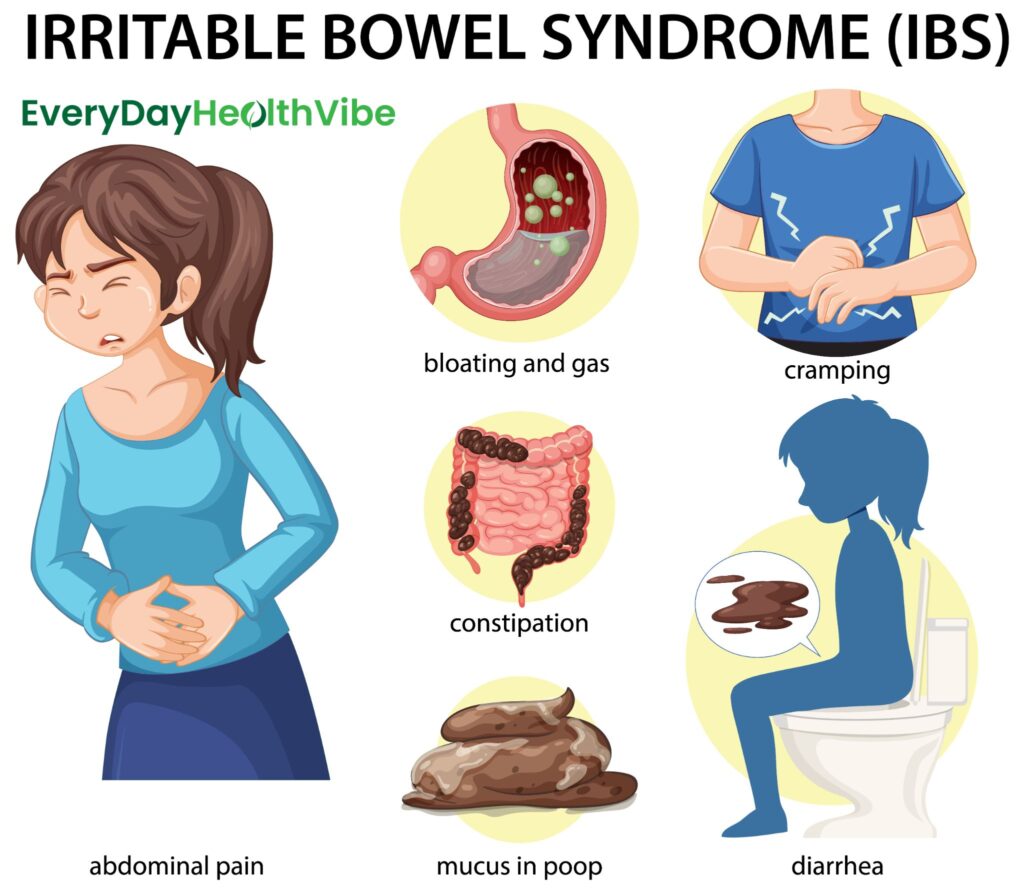
How Slow Digestion Feels — And Why the Body Reacts This Way
When a food remains in the stomach longer than expected, you may experience:
- A feeling of heaviness or fullness
- Bloating or mild swelling in the stomach area
- Gas or belching
- Sluggishness or low energy
- Mild cramping or pressure
These symptoms are usually normal when eating heavy or dense foods. They often reflect the body taking the time it needs to break down complex ingredients.
If digestion is slow, the stomach continues churning, mixing, and attempting to soften food for passage into the intestines. This is why the sensation can last longer with certain meals.
Gentle Ways to Support Digestion After Eating Bikimsum
If bikimsum tends to sit longer in your stomach, several gentle habits can help support smoother digestion.
Eat Smaller Portions
A large portion makes digestion harder. Eating smaller servings can ease the workload on the stomach.
Chew Thoroughly
Proper chewing breaks food into smaller pieces, making digestion faster and less taxing. Many people underestimate how much chewing affects digestion.
Stay Well Hydrated
Water helps move food through the digestive tract and prevents the stomach contents from becoming too thick.
Take a Gentle Walk
Light movement encourages the muscles of the digestive tract to work more efficiently.
Avoid Lying Down Immediately After Eating
Upright posture helps the stomach empty naturally; lying down too soon can prolong fullness.
Balance Heavy Meals With Lighter Foods
Pairing bikimsum with vegetables or foods high in fiber can help soften the overall digestive load.
When Slow Digestion May Point to Something Else
Occasional slow digestion is normal. But if you repeatedly notice that even small meals leave you uncomfortably full — or you have symptoms such as nausea, vomiting, or sharp pain — it may be worth discussing with a healthcare provider.
Conditions such as delayed gastric emptying, digestive hypersensitivity, or certain stomach disorders can make heavy foods especially difficult to process. However, most people simply experience normal variations in digestion.
A Calm, Reassuring Conclusion
Asking why does bikimsum take long to digest shows a healthy curiosity about how your body works. Digestion is deeply individual, and foods with heavy textures, rich ingredients, or large portions naturally slow the process. In most cases, this slow digestion is normal and simply reflects the effort your stomach and intestines must make to break the food down.
By being mindful of portion sizes, eating slowly, drinking enough water, and moving gently after meals, you can support your digestive system and enjoy your food without unnecessary discomfort. And if your body signals that something feels off, listening to those signals is a kind and helpful step.
Your digestive system works hard for you — giving it patience and care goes a long way.
What Are the Limitations After Reverse Shoulder Replacement? A Clear, Compassionate Guide
FAQs
1. Why does bikimsum take long to digest for some people?
Because of its dense texture and heavy ingredients, bikimsum naturally requires more time for the stomach to break down and process.
2. Is slow digestion of bikimsum a sign of a problem?
Usually no. Most people experience slow digestion after dense or heavy meals. It becomes a concern only if discomfort is frequent or severe.
3. What can I do to digest bikimsum more easily?
Chew well, eat smaller portions, stay hydrated, and take a gentle walk after your meal to support smoother digestion.
4. Does stress affect how long bikimsum takes to digest?
Yes. Stress can slow gut motility, making heavy foods linger longer in the stomach.
5. Are certain people more likely to digest bikimsum slowly?
People with naturally slower digestion, sensitive stomachs, or conditions affecting gastric emptying may take longer to process dense foods.
