A reverse shoulder replacement can be life-changing for people who struggle with severe pain, limited motion, or an irreparable rotator cuff tear. Many patients regain comfort and function they thought were permanently lost. But with this renewed mobility comes a new set of expectations, and it’s natural to ask what are the limitations after reverse shoulder replacement. Understanding these limitations early helps patients adjust with confidence, patience, and a sense of control.
This guide explores the physical limitations, the reasons behind them, and what daily life often looks like after this procedure — all with a human-focused, compassionate approach.
A Gentle Introduction to Reverse Shoulder Replacement
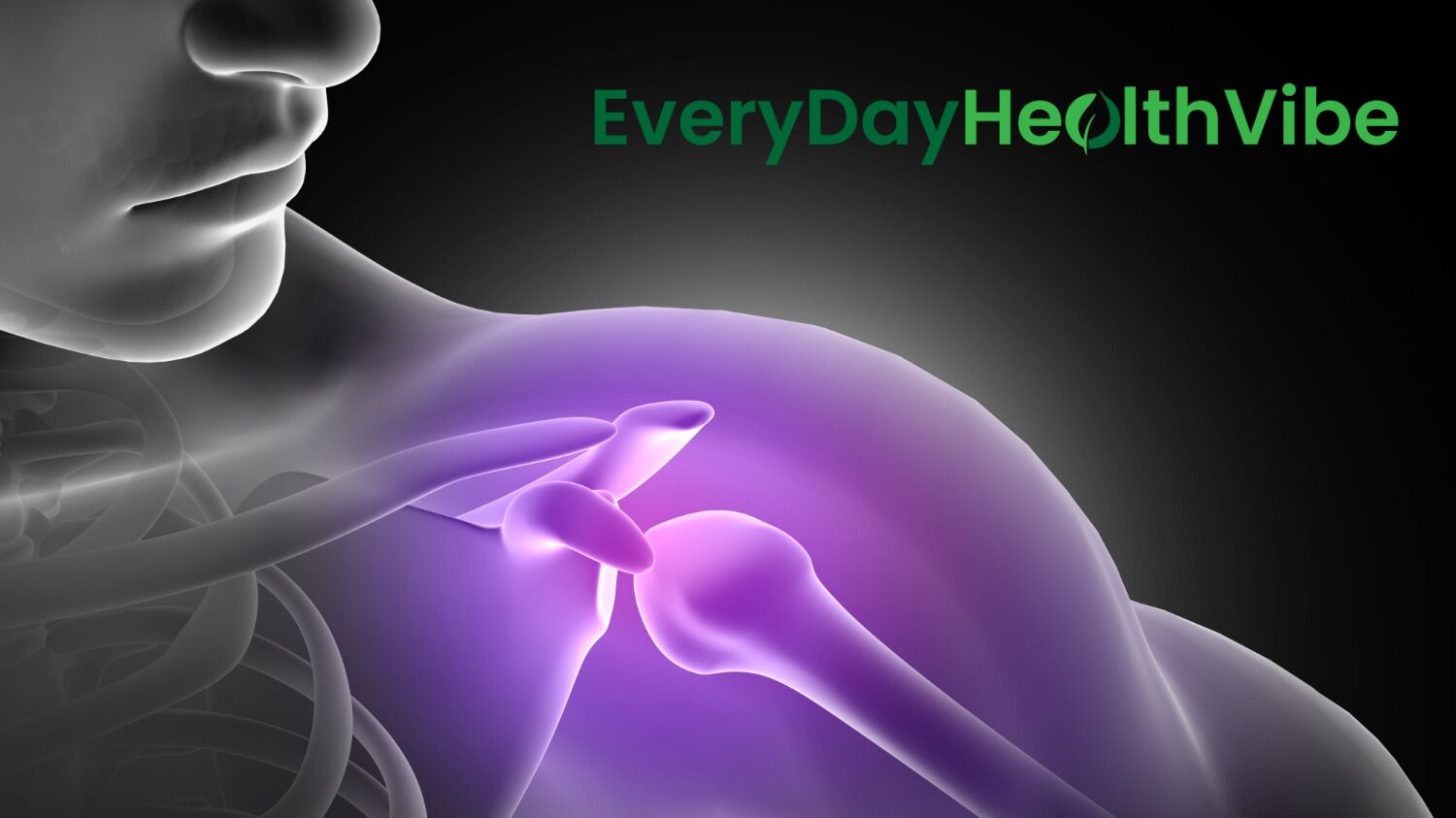
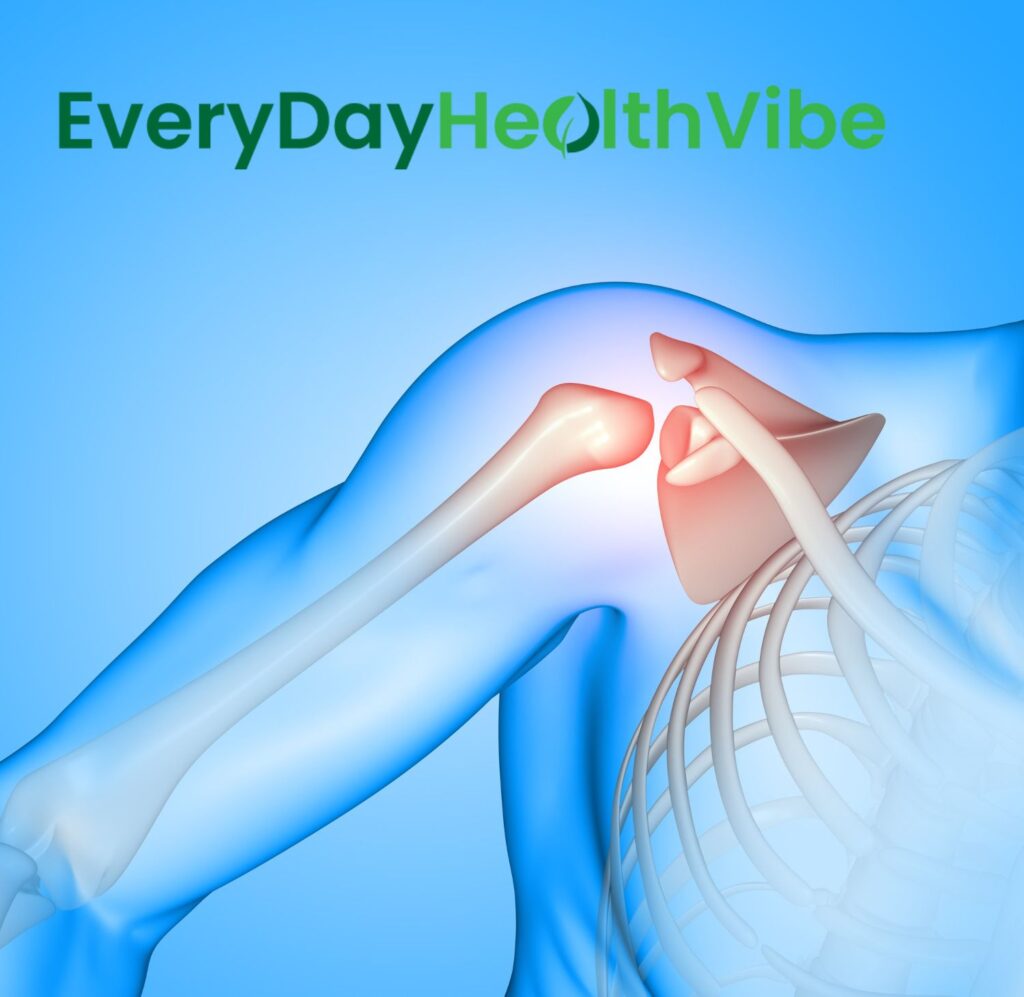
A reverse shoulder replacement is recommended when the rotator cuff is too damaged to support a traditional shoulder replacement. In this procedure, the mechanics of the shoulder are changed by reversing the ball-and-socket structure. This allows the deltoid muscle to take over much of the work normally done by the rotator cuff.
This design gives many patients the chance to lift their arm again, reduce pain, and return to activities that were previously difficult. But because the shoulder now works differently, certain limitations naturally arise — not as failures, but as new boundaries that protect the joint and support long-term comfort.
How the New Shoulder Works — And Why Limitations Happen
A reverse shoulder replacement does not restore the shoulder to its original design; instead, it creates a new movement system. The joint becomes more stable, and the deltoid muscle becomes the primary driver of motion.
Because of these changes:
- Some ranges of motion become harder to restore fully
- Certain movements place more strain on the deltoid and joint
- Heavy or repetitive lifting can increase stress on the implant
- Some everyday activities require adaptation
These limitations are normal and expected. They exist to protect the shoulder from injury, dislocation, or early wear on the implant.
Common Limitations After Reverse Shoulder Replacement
Limited Range of Motion
One of the most common long-term limitations is restricted movement, especially when lifting the arm overhead or reaching behind the back. Internal rotation — such as reaching to tuck in a shirt or fasten clothing behind you — often remains limited even after full recovery.
While forward elevation usually improves, it may not reach the height or fluidity of a natural shoulder. Some patients adapt by learning new ways to reach, dress, or perform routine tasks.
Restrictions on Heavy Lifting
After reverse shoulder replacement, the shoulder is not designed for heavy loads. Lifting weight overhead or carrying heavy items can strain the prosthesis and surrounding muscles. Many surgeons recommend a long-term lifting limit, often around the weight of a moderately filled shopping bag.
While this may feel restrictive at first, these limits protect the implant and help ensure it lasts for many years without complications.
Caution With Overhead Activities
Movements that involve sudden overhead force — such as pulling, throwing, or placing weight above shoulder height — may remain uncomfortable or unsafe. These activities increase stress on the new joint structure and can raise the risk of instability.
Patients often find that gentle, controlled overhead movement is manageable, but explosive or repetitive overhead tasks are not.
Reduced Strength Compared to a Natural Shoulder
Because the deltoid now performs work that the rotator cuff once handled, strength patterns change. Even with physical therapy and regular exercise, the new shoulder may never achieve the same strength or endurance as a healthy, natural shoulder.
This does not reduce the value of the surgery; instead it highlights that the shoulder now functions differently and requires thoughtful use.
Activity Modifications
Activities that require strong, coordinated shoulder motion — such as tennis, heavy swimming strokes, or contact sports — often remain limited or discouraged. Some patients return to light recreational sports, but high-impact or power-based movements may not be possible safely.
The goal becomes finding enjoyable, low-stress activities that support strength without risking the integrity of the joint.
What Everyday Life Looks Like After Recovery
Daily routines usually become much more comfortable after reverse shoulder replacement, but they may change slightly depending on range of motion and strength.
Dressing and Personal Care
Reaching behind your back may remain difficult, so dressing techniques sometimes need adjustment. Many patients learn new, easier ways to put on clothes or fasten items without straining the shoulder.
Household Tasks
Most everyday tasks — cooking, light cleaning, carrying groceries — become manageable again. However, heavier chores or tasks requiring overhead strength may need adaptation or assistance.
Sleeping and Comfort
Finding a comfortable sleeping position can take time, especially early in recovery. Over months, the shoulder typically settles into a comfortable pattern, but some positions may always feel less natural than before.
These changes are simply part of learning how your new shoulder moves and rests.
Physical Therapy and the Role It Plays in Navigating Limitations
Physical therapy is one of the most important parts of healing. It shapes how well the shoulder functions long-term and how confidently you move with your new mechanics.
Therapy focuses on:
- Strengthening the deltoid muscle
- Improving controlled mobility
- Teaching safe, joint-protective movement patterns
- Building balanced posture and shoulder stability
Progress is gradual. Some limitations improve significantly, while others remain due to the mechanics of the prosthesis. Therapy helps you understand which movements are safe and how to avoid stress on the joint.
A successful rehabilitation plan respects both the possibilities and the boundaries of your new shoulder.
Long-Term Expectations — Living Well With a Reverse Shoulder Replacement
Many people enjoy meaningful improvements after surgery:
- Less pain
- Better stability
- Greater range of motion
- Improved independence
- Easier day-to-day tasks
Although certain limitations remain, the overall quality of life often improves significantly.
Long-term success depends on:
- Protecting the implant from heavy strain
- Staying consistent with gentle strengthening
- Avoiding high-risk movements
- Listening to your body’s signals
Emotionally, it may take time to accept that some motions or abilities feel different than before. But many find comfort in the fact that they can return to daily routines without the persistent pain they once had.
When to Seek Medical Guidance
While many limitations are normal, certain symptoms deserve attention:
- Sudden sharp pain
- New or increasing weakness
- A sense of slipping or instability
- Decreased motion after initial improvement
- Swelling or unexpected discomfort
Reaching out to a healthcare professional can prevent complications and protect the long-term success of the implant.
A Compassionate Conclusion — Understanding and Accepting Your New Shoulder
Asking what are the limitations after reverse shoulder replacement reflects a desire for clarity and confidence as you move into recovery. These limitations are not obstacles but realistic boundaries that protect your comfort and the lifespan of the implant.
A reverse shoulder replacement offers many people the chance to return to daily life with far less pain. While certain movements, strength levels, and activities may never return fully, the gains in comfort, stability, and function often outweigh the limitations.
With patience, physical therapy, thoughtful movement, and self-compassion, you can adapt to your new shoulder and build a lifestyle that feels steady, capable, and fulfilling.
From Pain to Recovery: How Long Does It Take for a Hand Fracture to Heal?
FAQs
1. What are the limitations after reverse shoulder replacement in daily life?
Most people regain comfort and function, but may still struggle with overhead reaching, lifting heavy objects, and reaching behind the back.
2. Can I return to sports after reverse shoulder replacement?
Light activities are usually safe, but high-impact or overhead sports may remain limited to protect the joint and reduce long-term stress.
3. Will I regain full shoulder strength again?
Strength improves with therapy, but the shoulder may never match the power of a natural joint because the deltoid takes over most movement.
4. How long does recovery take?
Many patients see strong improvements within a few months, though full adaptation can take up to a year as muscles learn new movement patterns.
5. Are lifting restrictions permanent?
Yes, lifting heavy weights — especially overhead — is usually restricted long-term to protect the implant and prevent complications.
