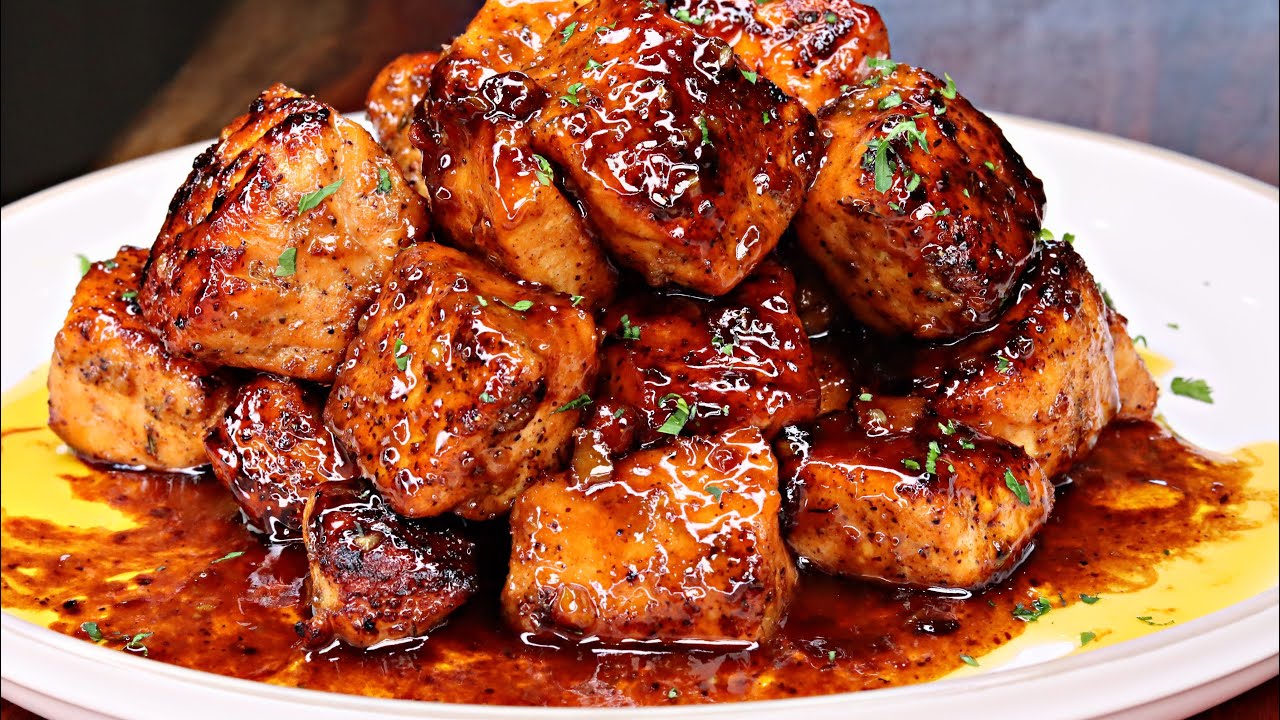
Introduction
A good salmon bites recipe is one of those things you end up coming back to again and again. It’s quick, flexible, and surprisingly satisfying whether you’re cooking for yourself or putting together something for family or guests. These small, bite-sized pieces cook faster than traditional fillets, which means you get great flavor without spending too much time in the kitchen.
What makes salmon bites stand out is how easily they adapt. You can keep them simple with salt and pepper or build bold flavors with spices, sauces, and marinades. Once you understand the basics, you can adjust the recipe to suit almost any taste or occasion.
What Are Salmon Bites?
Salmon bites are simply small cubes of salmon, usually cut from a fillet and cooked quickly over high heat. Because of their size, they develop a nice outer texture while staying soft and tender inside.
Compared to whole fillets, salmon bites cook faster and absorb seasoning more evenly. That makes them a great option when you want something flavorful without waiting too long. They also work well as appetizers, snacks, or part of a full meal.
Why You’ll Love This Salmon Bites Recipe
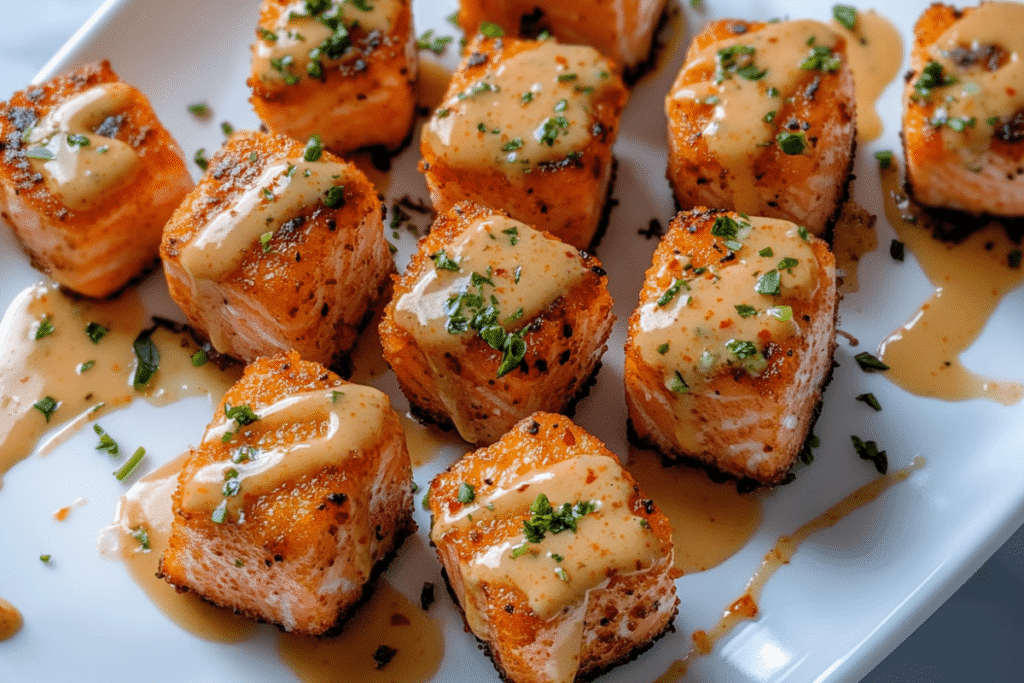
This salmon bites recipe works well for everyday cooking because it keeps things simple without sacrificing flavor. The preparation is straightforward, and you don’t need complicated ingredients to get a good result.
Another reason people like this recipe is the flexibility. You can pan-fry for a crispy finish, bake for a lighter texture, or use an air fryer for a balance of both. Each method gives slightly different results, but all of them can turn out well when done right.
It’s also worth noting that salmon is naturally rich in protein and healthy fats, so it fits easily into balanced meals.
Ingredients You’ll Need
For a basic version of this recipe, you don’t need much. Fresh salmon is the main ingredient, and everything else builds around it.
Start with salmon fillets, preferably skinless if you want easy prep. Add a bit of oil or butter to help with cooking and to carry the flavors. Salt and pepper are enough for a simple version, but you can expand from there.
Garlic, lemon juice, paprika, or chili flakes can bring more depth. If you prefer something slightly sweet, a mix of honey and soy sauce works well. Fresh herbs like parsley or dill can be added at the end for a lighter finish.
How to Choose the Best Salmon
The quality of your salmon makes a noticeable difference. Fresh salmon should look moist and vibrant, not dull or dry. If you’re using frozen salmon, make sure it’s properly thawed before cooking.
Cutting the salmon into evenly sized pieces is just as important. When the pieces are similar in size, they cook at the same rate, which helps prevent some from drying out while others are still undercooked.
Step-by-Step Salmon Bites Recipe
Start by preparing the salmon. Pat it dry with paper towels before cutting it into small cubes. This step helps achieve a better texture when cooking because excess moisture can lead to steaming instead of searing.
Once the salmon is ready, season it lightly. You can keep it simple or add spices depending on your preference. Toss the pieces gently so everything is coated evenly.
Heat a pan over medium-high heat and add a small amount of oil. Place the salmon bites in a single layer, leaving space between them. Avoid overcrowding the pan because that can affect how they cook.
Cook each side for a few minutes until a golden crust forms. Most salmon bites take around 3 to 4 minutes per side, depending on size.
Once done, remove them from the pan and let them rest briefly before serving. This helps the juices settle and keeps the texture tender.
Alternative Cooking Methods
Pan-frying is the most common method, but it’s not the only option. You can switch techniques depending on what you prefer or what equipment you have.
Air frying is a popular choice if you want a crisp texture with less oil. Typically, salmon bites cook in about 8 to 10 minutes at a high temperature, with a quick shake halfway through.
Baking is another reliable method, especially if you’re cooking a larger batch. The oven provides even heat, which helps cook the salmon gently without drying it out. Most recipes suggest baking at around 375 to 400°F for about 10 to 12 minutes.
Grilling can also work if you’re looking for a slightly smoky flavor. It cooks quickly and adds a different layer of taste that you don’t get from indoor methods.
Best Sauces for Salmon Bites
A good sauce can completely change how this dish feels. Garlic butter is a classic option that adds richness without overpowering the fish. If you prefer something lighter, a lemon-based sauce works well.
For a bit of heat, spicy mayo or chili sauce can bring balance to the natural richness of salmon. Sweet and savory combinations like honey mustard or soy glaze are also popular because they add contrast without being too heavy.
Serving Ideas
One of the strengths of a salmon bites recipe is how easy it is to serve in different ways. You can keep things simple and serve them as an appetizer with a dipping sauce.
They also work well over rice, quinoa, or even a fresh salad. If you want something more casual, you can add them to wraps or tacos. Because the pieces are small, they fit easily into different types of meals without much extra preparation.
Tips for Perfect Salmon Bites
Getting the texture right is mostly about small details. Always start with dry salmon because moisture can prevent proper browning.
Use enough heat to create a crust, but avoid cooking too long. Salmon cooks quickly, and overcooking can make it dry.
Spacing the pieces in the pan is another important step. When salmon bites are too close together, they release moisture and steam instead of crisping up.
Common Mistakes to Avoid
One of the most common mistakes is overcooking. Salmon should be just cooked through and still slightly tender in the center. Cooking it too long removes that softness.
Another issue is overcrowding the pan. This prevents proper browning and leads to uneven cooking. Skipping the step of drying the salmon can also affect the final texture.
Storage and Reheating Tips
If you have leftovers, store them in an airtight container in the refrigerator. They usually keep well for a couple of days.
When reheating, try to use an oven or air fryer instead of a microwave. This helps bring back some of the original texture without making the salmon too soft.
Freezing is possible, but the texture may change slightly after thawing. For best results, fresh preparation is always better.
Variations to Try
Once you’re comfortable with the basics, it’s easy to experiment. A spicy version with chili flakes or paprika adds heat without being overwhelming.
A sweet glaze made with honey or brown sugar can create a slightly caramelized finish. You can also try Asian-inspired flavors using soy sauce, garlic, and ginger.
For a lighter option, keep the seasoning simple and focus on fresh herbs and lemon.
Health Benefits of Salmon
Salmon is known for being a nutrient-dense food. It’s rich in high-quality protein, which helps with muscle repair and overall health.
It’s also a good source of omega-3 fatty acids, which are linked to heart and brain health. Including salmon in your meals regularly can support a balanced diet without requiring complicated preparation.
Conclusion
This salmon bites recipe is one of those reliable dishes that fits into almost any routine. It’s quick enough for busy days but still feels satisfying and complete.
Once you understand the basics, you can adjust flavors, cooking methods, and serving styles to match your preferences. Whether you keep it simple or experiment with different variations, salmon bites are a practical and enjoyable way to cook seafood at home.
Latest Insights on Protein in Atlantic Salmon and How It Fuels Recovery
FAQs
Can I use frozen salmon for this salmon bites recipe?
Yes, frozen salmon works well as long as it’s fully thawed before cooking. Make sure to pat it dry to remove excess moisture so the bites can crisp up properly.
How do I know when salmon bites are fully cooked?
Salmon bites are done when they turn opaque and flake easily with a fork. The inside should be tender, not raw, but still slightly moist.
Can I make salmon bites ahead of time?
You can prepare and season the salmon in advance, but it’s best to cook them fresh for the best texture. If needed, cooked bites can be stored and reheated later.
What is the best way to reheat salmon bites?
Reheat them in an oven or air fryer for a few minutes to bring back some crispness. Avoid using a microwave, as it can make them soft and overcooked.
Are salmon bites healthy?
Yes, salmon bites are a healthy option. They are rich in protein and contain beneficial fats, making them a good addition to a balanced diet when cooked with minimal oil.
