
Hot chocolate has long been one of the most comforting drinks on cold days or after a long afternoon. It’s warm, soothing and instantly familiar. In recent years, a new variation has gained popularity among people who want to enjoy that comfort without sacrificing nutrition: protein hot chocolate. This version blends the classic chocolatey flavor with a boost of protein, making it both satisfying and more aligned with health goals than traditional sugary hot cocoa.
In this article, we’ll take you through everything you need to know about protein hot chocolate, from what it is and why it matters to how to make it at home and when to enjoy it. We’ll also explore its benefits and give you a clear picture of how it fits into a balanced routine.
What Is Protein Hot Chocolate
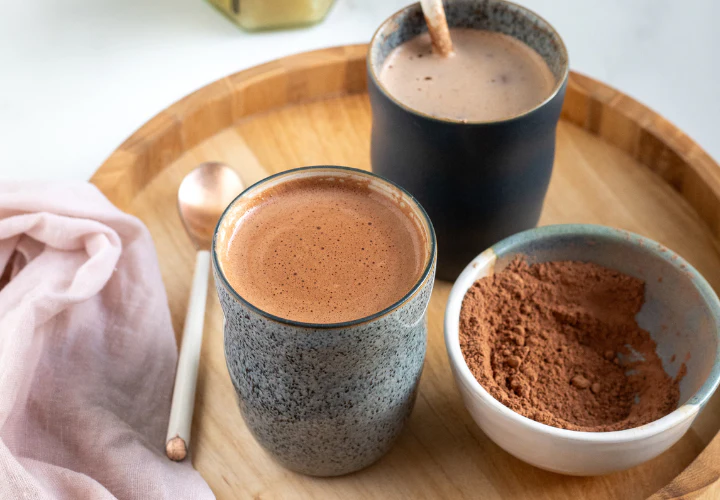
At its simplest, protein hot chocolate is a warm drink that combines the familiar elements of hot cocoa with a meaningful serving of protein. The protein can come from sources like protein powder, high-protein milk, or even more unconventional options like bone broth. This means you’re not just sipping a sweet drink, you’re also supplementing your diet with a nutrient your body needs for muscle repair, hormonal balance and metabolic function.
Traditional hot chocolate made with whole milk already contains some protein. Whole milk provides about 8 grams of protein per cup, and cocoa itself adds a small amount. But when you want a drink that supports fitness goals or keeps you full longer, adding a more concentrated protein source is the game changer.
Why Protein Matters in Your Drink
Protein is a key macronutrient that plays many roles in the body. It helps build and repair tissues like muscle, skin and organs. It’s also essential for immune function and the production of enzymes and hormones. Many adults struggle to reach their daily protein targets, especially if they lead active lifestyles or are trying to preserve muscle during weight loss. Adding protein to foods and drinks can make that easier.
A good protein powder can deliver around 20 to 30 grams of protein per serving, which is roughly equivalent to what you’d get from a small chicken breast. Raising your intake slightly at different meals or snacks helps your body maintain muscle mass and stay satisfied.
Protein powders vary in source and quality, from whey and casein (dairy-based) to soy, pea, hemp and blends. Choosing one with minimal added sugars and fillers ensures you’re adding value rather than empty calories.
Health Benefits of Protein Hot Chocolate
Supports Muscle Recovery
After a workout, your body needs protein to repair the muscles you’ve challenged. Having a warm protein-rich drink post-exercise can be a pleasant way to support recovery.
Promotes Fullness and Reduces Cravings
Protein has been shown to increase feelings of fullness and reduce the urge to snack shortly after eating or drinking. In contrast, drinks high in sugar can spike blood sugar and sometimes lead to quicker hunger.
Boosts Daily Protein Intake
If you find it hard to hit your protein goals, turning a drink you already enjoy into a protein source can make a substantial difference without adding a heavy meal.
A Better Swap for Sugary Treats
Replacing a sugary café hot chocolate or dessert beverage with a homemade protein version gives you the comfort you crave without excess sugar and calories.
Emotional Satisfaction and Ritual
Enjoying a warm drink has emotional benefits. The act of preparing and sipping something cozy can signal a break from stress and help you unwind. Combining that with a nutrient boost just makes the moment more purposeful.
Ingredients That Make the Difference
To make a balanced protein hot chocolate, consider the role of each ingredient:
- Cocoa or cacao powder gives the rich chocolate flavor and contains flavanols, plant compounds linked to positive effects on blood vessel function and blood pressure when consumed without excess sugar.
- Milk or milk alternatives provide creaminess and some intrinsic protein. Soy milk stands out among plant milks for higher protein content, while almond and oat milks vary widely in protein.
- Protein powder adds the primary boost. Whey tends to mix well and taste creamy, while plant-based options suit vegan diets. Look for powders with minimal additives.
- Sweeteners can be natural (like honey or maple syrup) or alternative (like stevia or monk fruit) depending on your preferences and dietary goals.
- Optional flavors and spices like cinnamon, vanilla or a pinch of salt enhance flavor without a lot of extra calories.
Simple Protein Hot Chocolate Recipe
Here’s a straightforward method you can follow at home:
- Warm your choice of milk on the stove over medium heat until hot but not boiling.
- Whisk in unsweetened cocoa powder until dissolved.
- Add a scoop of your chosen protein powder gradually, whisking constantly to prevent clumps.
- Sweeten to taste with honey, maple syrup or another sweetener.
- Pour into your favorite mug and enjoy.
This basic approach keeps the texture smooth and flavor rich. The amount of protein will depend on your powder choice but expect around 15 to 25 grams per serving in a typical recipe.
Variations to Try
Not all protein hot chocolates are made the same. You can customize based on taste or dietary needs:
- Vegan version: Use pea or soy protein with almond or oat milk.
- Lower sugar: Skip added sweeteners or use natural alternatives like stevia.
- Bone broth version: Some recipes suggest using bone broth as a base for a savory protein boost, though dietitians note its nutrition varies and it’s not a complete meal replacement.
Experimenting with spices like cinnamon, nutmeg or even a dash of espresso can make your drink feel special without loading up on sweet syrups.
When to Drink It
A mug of protein hot chocolate can fit into your day in several ways:
- After a workout to support muscle repair.
- As an afternoon snack when you need something to keep cravings at bay.
- In the evening as a comforting warm treat that still contributes to your nutrition.
- When you want a cozy moment that also aligns with health goals.
Keep in mind that while this drink helps increase protein, it’s most effective as part of an overall balanced diet with fruits, vegetables, whole grains and regular movement.
Common Mistakes to Avoid
To get the best experience:
- Don’t overload on sweeteners. Too much sugar turns it back into a dessert rather than a nutritious drink.
- Add protein powder gradually and whisk well to avoid lumps.
- Heat gently. Overheating milk and protein powder can change texture.
- Be mindful of total calories. Even healthy versions can add up if paired with other treats.
Is Protein Hot Chocolate Always Healthy?
Adding protein doesn’t automatically make hot chocolate a health drink. A version made with sugary syrup, full-fat whipped cream, or large portions can still be high in calories and sugar. The key is combining quality ingredients with mindful portions.
Also, individuals with certain health conditions, like chronic kidney disease, should consult a healthcare provider before increasing protein intake, as needs vary by health status and age.
Final Thoughts
Protein hot chocolate is more than a trend. It’s an enjoyable way to make a classic comfort beverage work harder for your nutrition goals. When made with thoughtful ingredients and attention to balance, it can help you increase protein intake, support satiety, and give you a moment of warmth and satisfaction. Whether you’re wrapping up a chilly day or rewarding a successful workout, a cup of protein hot chocolate can feel like both comfort and nourishment in one.
Complete Arms Workout: How to Train Biceps and Triceps for Size and Strength
FAQs: Protein Hot Chocolate
1. Can I use any protein powder for protein hot chocolate?
Yes, you can use whey, casein, or plant-based powders. Choose one with minimal sugar and additives for the best flavor and nutrition.
2. How many calories are in a typical protein hot chocolate?
A standard serving ranges between 150–250 calories depending on milk choice, protein powder, and added sweeteners.
3. Is protein hot chocolate suitable for weight loss?
It can support weight loss if consumed as part of a balanced diet. Protein helps with satiety and maintaining muscle while reducing cravings.
4. Can kids drink protein hot chocolate?
Yes, but choose a protein powder suitable for children and keep the portion moderate. Avoid high caffeine or artificial sweeteners.
5. Can I make it vegan?
Absolutely. Use plant-based milk like soy, almond, or oat, and a vegan protein powder for a creamy, protein-rich version.
