Why pozole belongs in a healthy kitchen
Pozole is one of those rare dishes that feels like a hug in a bowl yet can be refreshingly light. Built on hominy, a nixtamalized corn that brings comforting chew and subtle sweetness, it’s naturally satisfying without needing heavy cream or excess fat. With a few thoughtful choices—lean proteins, a clean broth, and gut-friendly toppings—you can keep the heart of pozole while making it weeknight-friendly and wellness-focused. This is not about stripping tradition; it’s about honoring flavor and adding modern know-how so every bowl tastes bright, balanced, and deeply nourishing.
What is pozole
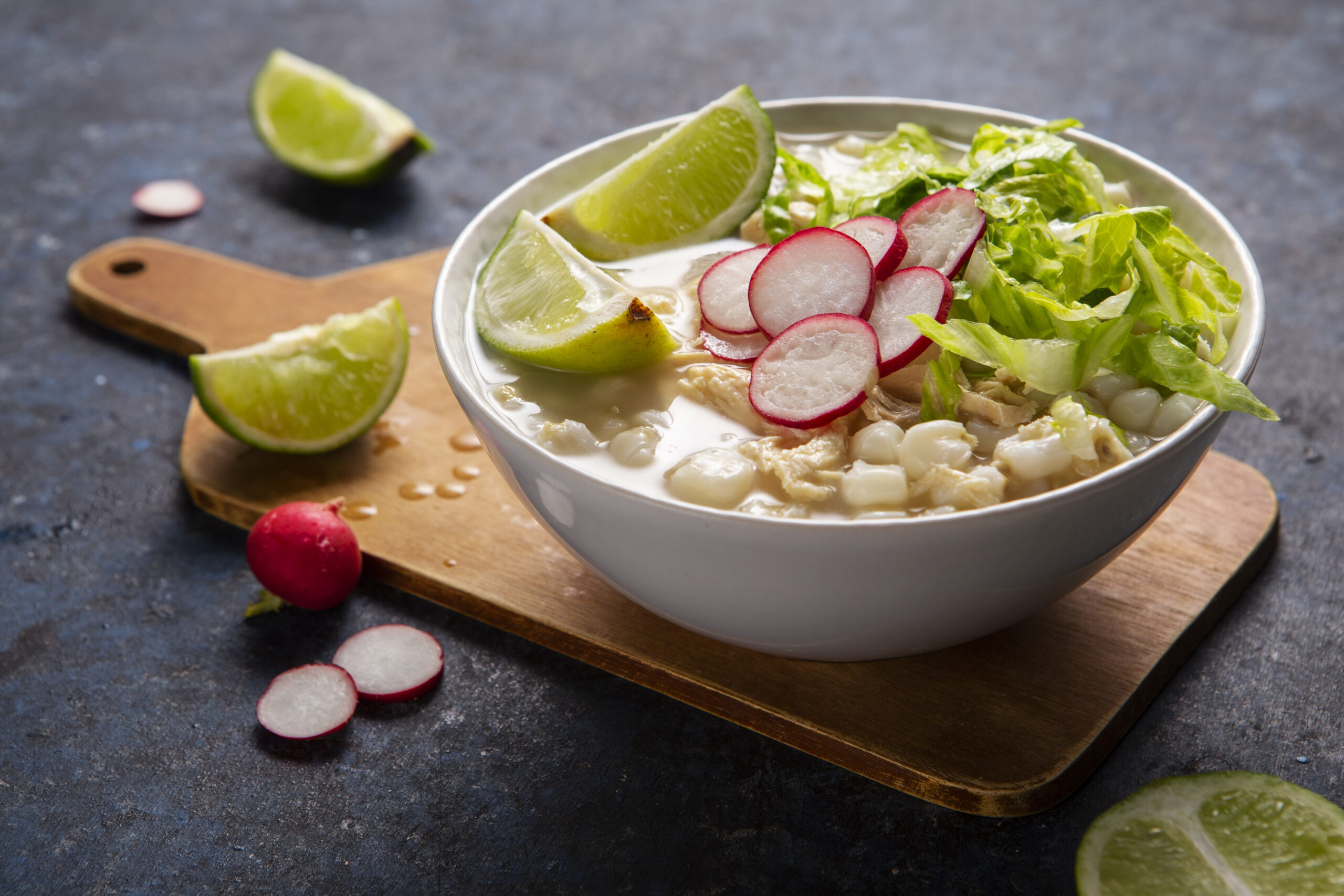
At its core, pozole is a hominy soup or stew with roots across Mexico, often shared at celebrations and family gatherings. Hominy—dried field corn treated with an alkaline solution through nixtamalization—gives pozole its signature texture and aroma. The base is a savory broth layered with chiles and aromatics, with shredded meat or beans folded in. Toppings are essential, adding crunch, freshness, and acidity that lift the entire bowl. While styles vary by region and family, the spirit of pozole remains constant: generous, warming, and built for sharing.
Pozole pronunciation
You’ll hear “poh-SOH-leh.” In Spanish, the “z” sounds like an “s” in most Latin American dialects. In English writing, some spell it “posole,” especially in parts of the U.S., but “pozole” is the standard in Mexico and widely used in culinary references.
Posole or pozole
Both spellings point to the same dish. “Pozole” aligns with Mexican Spanish and is most common in cookbooks and food writing from Mexico. “Posole” appears in the U.S. Southwest and in some older English-language texts. Use the form your audience recognizes, and be consistent. If readers search both, it’s reasonable to acknowledge the variant once and then use “pozole” throughout.
What is pozole made of
Traditional pozole is built from hominy, a savory broth (often chicken or pork), a chile base that defines the color and flavor profile, aromatics like onion and garlic, and a finishing spread of fresh toppings. The core ingredients are simple, which is why quality matters. Good hominy—whether you start with dried or select a solid canned brand—has the gentle snap and toastiness that defines the dish. The chile base can be a puree of guajillo and ancho for red, a blend of tomatillos and green chiles for green, or left out for blanco. Oregano, bay leaf, and cumin are common seasonings. Then comes the protein: pork shoulder historically, but chicken breast, turkey breast, lean pork loin, beans, or even shrimp work beautifully in lighter versions.
What does pozole taste like
Pozole is savory, corn-forward, and layered. The broth tastes round and satisfying from simmered bones or vegetables. Hominy brings a subtle sweetness, a gentle nuttiness, and that pleasing bite. Red pozole leans warm and earthy, with dried chiles adding depth rather than outright heat. Green pozole runs brighter—herbaceous from cilantro and epazote, tangy from tomatillos, and often a touch spicier depending on the chiles used. White pozole is clean and brothy, letting the toppings and hominy shine. Every bowl is finished by crunch and freshness: cabbage, radishes, onion, cilantro, oregano, and a big squeeze of lime.
Is pozole healthy or unhealthy
Pozole can be remarkably balanced. Hominy contributes complex carbohydrates and fiber. Lean proteins make it satisfying without heaviness. The broth keeps it hydrating and gentle on the palate. The toppings—especially shredded cabbage, radishes, onion, cilantro, and avocado—add vitamins, minerals, prebiotic fibers, and healthy fats. Where pozole can tilt less healthy is in excess sodium and saturated fat from very fatty cuts and heavily salted stock. Choosing a low-sodium broth, trimming meat, skimming fat, and seasoning with herbs, lime, and a light hand of salt help keep the dish in a heart-healthy zone. For many eaters, it’s naturally gluten-free, customizable for dairy-free, and easy to scale to specific needs.
Pozole vs menudo
Pozole and menudo share a place on celebratory tables but are distinct. Pozole centers on hominy and a chile-seasoned broth, with meat added in. Menudo is a tripe soup made from beef stomach simmered for hours until tender, seasoned with red chile, and often served with hominy in some regional variations but not always. The textures are different, as is the aroma. Pozole’s flavor is corn-led and brightened with fresh toppings, while menudo carries the deeper, beefier notes that come from long-simmered tripe. If you love hominy’s chew and a spectrum of toppings, pozole will feel familiar and inviting.
Pozole ingredients
A good pot starts with hominy, broth, and chiles. For hominy, dried gives the best texture if you have time to soak and simmer; canned is excellent for weeknights—rinse well to reduce sodium. Broth can be homemade chicken or vegetable for control over salt and fat. Aromatics include onion, garlic, bay, and Mexican oregano. For pozole rojo, guajillo and ancho chiles bring color and gentle warmth; for pozole verde, tomatillos, poblano, jalapeño or serrano, cilantro, and sometimes pumpkin seeds add body and a fresh flavor. Season with cumin to taste and finish with lime. Toppings—cabbage, radishes, diced white onion, cilantro, avocado, dried oregano, and lime—are essential to balance and texture.
Pozole rojo
Pozole rojo gets its hue from dried red chiles, typically guajillo and ancho. The flavor is mellow, earthy, and slightly fruity rather than fiery. Toasting and soaking the chiles before blending creates a velvety puree that colors the broth a deep brick red. Lean pork loin, chicken breast, or turkey work nicely, and the chile depth makes a plant-based version with white beans feel robust and satisfying. If you want warmth without heavy heat, rojo is a forgiving, crowd-pleasing choice.
Pozole verde
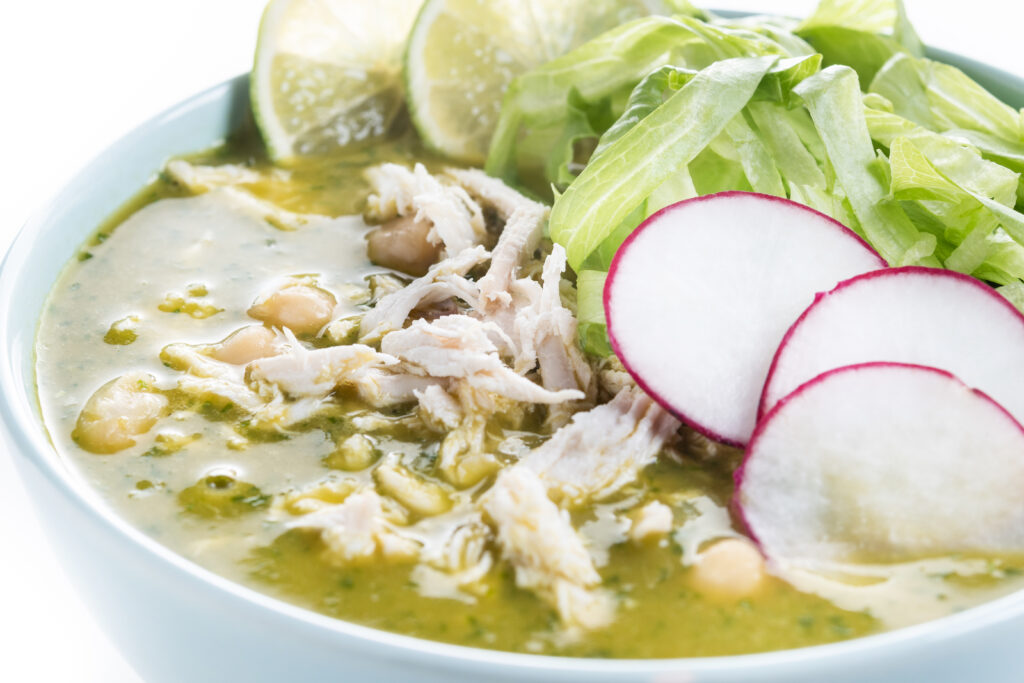
Pozole verde is bright and vivid, built on a puree of roasted tomatillos, poblano, and either jalapeño or serrano. Fresh cilantro and sometimes epazote add herbaceous lift. The result is tangy and lively, perfect with chicken or turkey. A touch of ground pumpkin seeds can thicken the broth naturally and add minerals and healthy fats. Verde pairs beautifully with extra cabbage, radish, and generous lime to accentuate the freshness.
Pozole blanco
Pozole blanco is the stripped-down classic: a clear, savory broth, hominy, a touch of oregano, garlic, and onion, plus your chosen protein. Without a chile puree, the flavor is delicate and clean. It’s all about broth quality and toppings. Blanco shines when you want a soothing, restorative bowl or a base you can customize tableside with extra heat or acidity.
Green pozole
When people say “green pozole,” they mean pozole verde. It’s the fresh, tangy cousin to red pozole, defined by tomatillos and green chiles. The color signals a different flavor profile, not just a visual change. If you like citrusy brightness and a crisp finish, green pozole fits the bill and takes especially well to lean chicken and a heap of crunchy garnishes.
Pozole soup
Pozole sits between soup and stew. Some families prefer a lighter, more sippable broth with a lower hominy ratio and smaller meat shreds. Others like it hearty and stew-like, thick with hominy and meat. There’s no wrong approach. For a lighter “soup” expression, increase broth, add extra lime, and keep the meat lean and finely shredded. For a heartier bowl, dial up hominy and let the broth reduce a little longer.
Pozole chicken
Chicken is a natural fit. It delivers clean flavor, protein, and a gentle texture that plays nicely with either red or green chile bases. For the leanest option, use skinless chicken breast; thighs trimmed of visible fat give a little more juiciness with only a modest bump in fat. Poaching the chicken directly in the broth keeps it tender and makes the cooking process efficient. Shred it just before serving to preserve moisture.
Lean proteins
Pozole adapts to lean choices without losing character. Chicken breast, turkey breast, and lean pork loin are straightforward swaps for fattier cuts. Seafood like shrimp is quick-cooking and distinctive in green pozole. For plant-forward bowls, white beans or chickpeas bring protein and fiber, while jackfruit or oyster mushrooms add meaty texture. The chile base, oregano, and citrus provide structure, so the dish stays cohesive even as you change the protein.
Gut-friendly toppings
Toppings aren’t decoration—they rebalance richness and support digestion. Shredded cabbage offers crunch and prebiotic fiber. Radishes bring peppery snap and vitamin C. Onions and garlic contribute prebiotic compounds that support a diverse microbiome. Cilantro and oregano offer polyphenols; a sprinkle of dried oregano rubbed between your fingers blooms aroma. Avocado adds monounsaturated fats and fiber that help satiety. A small spoon of curtido or lightly rinsed sauerkraut adds probiotic potential and tang—use sparingly to keep sodium in check. Fresh lime brightens everything and lets you season with less salt.
Flavor without excess sodium
Pozole thrives on layers. Toast spices briefly to release aroma. Roast chiles, tomatillos, and onions for deeper sweetness and complexity. Use a low-sodium broth and season progressively, finishing with lime to sharpen flavors. A splash of apple cider vinegar or the acidity from tomatillos balances richness and makes moderate salt feel more expressive. If you skim fat and keep broth clean, every ingredient reads distinctly, and you’ll need less salt to feel satisfied.
Pozole recipe
This is a lean, gut-friendly base that can go red or green. It yields a generous pot for six to eight bowls and is designed for weeknights using canned hominy. You can adapt protein and heat level to taste.
Ingredients:
- Lean protein: 1.5 to 2 pounds skinless chicken breast or turkey breast; or 2 cups cooked white beans for a plant-based version.
- Hominy: 2 large cans (25–30 ounces each), rinsed well.
- Broth: 8 cups low-sodium chicken or vegetable broth.
- Aromatics: 1 large white onion (half diced, half quartered), 6 garlic cloves (4 whole, 2 minced).
- Seasoning: 2 teaspoons Mexican oregano, 1 teaspoon ground cumin, 2 bay leaves, fine salt to taste.
- Toppings: finely shredded green cabbage, sliced radishes, diced white onion, chopped cilantro, dried oregano, diced avocado, lime wedges. Optional probiotic touch: a small spoon of curtido or pickled jalapeños.
- For rojo: 5 dried guajillo chiles, 2 dried ancho chiles, stemmed and seeded; 1 teaspoon apple cider vinegar.
- For verde: 1.5 pounds tomatillos, husked; 2 poblano peppers; 1 to 2 jalapeños or serranos; 1 small bunch cilantro; optional 1/4 cup toasted pumpkin seeds.
Method:
- Build the broth: In a large pot, add broth, the quartered half of the onion, 4 whole garlic cloves, bay leaves, oregano, and cumin. Bring to a gentle simmer.
- Poach the protein: Add chicken or turkey to the pot, simmer gently until just cooked through and tender, about 12 to 18 minutes depending on thickness. Remove to a plate to cool, then shred. If using beans, hold them until the end.
- Prepare the chile base:
- For rojo: Toast guajillo and ancho briefly in a dry skillet until fragrant, 30 to 60 seconds per side. Soak in hot water 15 minutes. Blend with 1 cup of the soaking liquid, the diced half onion, 2 minced garlic cloves, and vinegar until smooth. Strain into a bowl.
- For verde: Broil or roast tomatillos, poblanos, and jalapeños until blistered and softened. Steam peppers in a covered bowl 10 minutes; peel and seed if you want a milder sauce. Blend with cilantro, the diced half onion, and 2 minced garlic cloves until smooth. Optional: add toasted pumpkin seeds and blend for body. Taste for salt.
- Combine: Add the chile puree to the simmering broth. Add rinsed hominy. Simmer 15 to 20 minutes to marry flavors.
- Finish: Return shredded chicken or turkey to the pot to warm through. If using beans, fold them in now and simmer 5 minutes. Adjust salt, then finish with a generous squeeze of lime to brighten.
- Serve: Ladle into warm bowls. Top with cabbage, radishes, onion, cilantro, dried oregano, avocado, and more lime. Add a tiny spoon of curtido or pickled jalapeño for tang if desired.
Make-ahead notes: Pozole tastes even better the next day as flavors settle. Cool quickly, store broth and toppings separately, and reheat gently to keep the chicken tender and the hominy intact. Skim any chilled fat for an extra-lean finish.
Weeknight shortcuts
If time is tight, lean on a few practical moves. Use a rotisserie chicken, removing skin and shredding the breast meat, then simmer briefly in your chile broth. Choose canned tomatillos or a low-sodium tomatillo salsa for a quick verde base, balancing with fresh cilantro and lime. Pressure cookers speed dried hominy and tougher cuts, though with lean chicken you’ll need only a short simmer. Keep a topping kit in the fridge—shredded cabbage, radishes, lime—so it’s easy to finish bowls with crunch and freshness.
Pozole verde quick path
For a fast green bowl, roast tomatillos and poblanos under the broiler, blend with cilantro and a jalapeño, then pour into simmering low-sodium chicken broth with hominy. Add shredded chicken breast and finish with lime. The brightness hides the speed; the toppings make it feel complete.
Pozole rojo quick path
Toast guajillos and anchos, soak, and blend with onion and garlic. Strain into broth, add hominy, simmer, and fold in shredded turkey breast or white beans. The dried chiles add a slow-cooked impression even when you’ve only simmered 30 minutes.
Balanced portions
A generous ladle of broth, about a cup of hominy, and a palm-sized portion of shredded lean protein make a satisfying baseline serving. Pile on cabbage and radishes to increase volume without heaviness. Avocado adds creaminess; a few small cubes go a long way. Extra lime lets you keep salt modest while keeping flavor high.
Storage and reheating
Pozole keeps well. Refrigerate the broth with hominy and protein for up to four days and freeze for up to three months. Store toppings separately to preserve crunch. Reheat gently on the stove until hot but not boiling to avoid overcooking the hominy or drying the meat. Add a splash of water or broth if the soup thickens in the fridge. Finish with fresh lime and herbs to wake it up.
Serving ideas
Pozole shines with simple sides. A crisp cabbage slaw with lime mirrors the toppings. Sliced cucumbers with chile-lime seasoning cool the palate. If you want a grain or starch, a warm corn tortilla or a small tostada offers contrast; brush with a light touch of oil and toast for a cleaner finish. Sparkling water with lime or an agua fresca keeps the meal bright.
Pozole chicken variations
Change personality with small tweaks. Add a handful of chopped epazote or fresh oregano near the end for a greener aroma. For smoky depth, blend a small piece of chipotle into a red base. For a plant-forward day, swap chicken for white beans and add roasted cauliflower florets for extra texture. If you enjoy heat, bloom a teaspoon of crushed chiles de árbol in a spoon of oil and drizzle lightly over the bowl.
Pozole blanco at home
To make a clean blanco version, skip the chile puree. Build a savory broth with onion, garlic, bay, oregano, and a low-sodium stock. Poach and shred chicken breast, add hominy, and simmer gently. Taste for salt and finish with lime. Set out a full topping bar and let each person build their bowl—this creates contrast and keeps the meal light but satisfying.
Pozole vs menudo in practice
If you’re deciding what to cook for a crowd, consider comfort and familiarity. Pozole is an easy win for mixed tastes: hominy’s texture and the ability to customize with toppings make it welcoming. Menudo is beloved by many, especially as a weekend ritual, but the tripe base can be polarizing. For an all-ages gathering or a wellness-leaning menu, pozole tends to land better.
Pozole ingredients, summarized
Think of four pillars: a clean, flavorful broth; quality hominy; a chile or herb base to define character; and a balance of lean protein and fresh toppings. If you stock your pantry with dried guajillo and ancho chiles, canned tomatillos, hominy, oregano, cumin, and good low-sodium broth, pozole is always within reach. Fresh limes, cabbage, radishes, onion, cilantro, and avocado round it out.
Final notes
Pozole is generous by nature. With lean proteins and gut-friendly toppings, it becomes a bowl that fits weekday dinners and weekend gatherings alike. The key is keeping balance: a broth that’s savory but not heavy, a chile base that’s expressive, and a topping spread that adds crunch, brightness, and nourishment. Whether you choose rojo for warmth, verde for freshness, or blanco for clarity, the result is a meal you can feel good about serving and eating—comforting, vibrant, and deeply rooted in tradition.
FAQs
How do you pronounce pozole?
Say “poh-SOH-leh.” The “z” sounds like an “s.” You may see “posole” in the U.S., but “pozole” is the standard spelling in Mexico.
What is pozole made of?
It’s built on hominy, a savory broth, a chile base (red or green) or a clear blanco style, aromatics like onion and garlic, and a protein such as chicken, turkey, lean pork, or beans. Fresh toppings add crunch and brightness.
Is pozole healthy?
It can be. Use lean proteins, a low-sodium broth, and plenty of veggie toppings. Skim fat, season with herbs and lime, and keep portions balanced for a lighter, nutrient-dense bowl.
What’s the difference between pozole and menudo?
Pozole centers on hominy with a chile-seasoned or clear broth and added meat. Menudo is a tripe soup with a deeper, beefy profile. They’re both celebratory but taste and texture differ.
What does pozole taste like?
Savory and corn-forward, with gentle warmth from chiles. Rojo is earthy and mellow, verde is bright and tangy, and blanco is clean and brothy—toppings bring crunch and acidity.
References
- Historical context and regional styles: Mexican culinary texts and regional cooking traditions.
- Ingredient fundamentals: hominy (nixtamalization), common chile varieties (guajillo, ancho, poblano), and classic aromatics used in Mexican kitchens.
- Nutrition perspective: general principles on lean proteins, sodium moderation, prebiotic fibers (cabbage, onion, garlic), and probiotic foods for gut support.
- Cooking technique insights: toasting and soaking dried chiles, roasting tomatillos and peppers, gentle poaching for lean meats, and layering acidity with lime or tomatillos.
Note: The references summarize widely accepted culinary knowledge and nutrition best practices to keep the article practical, accurate, and accessible.
