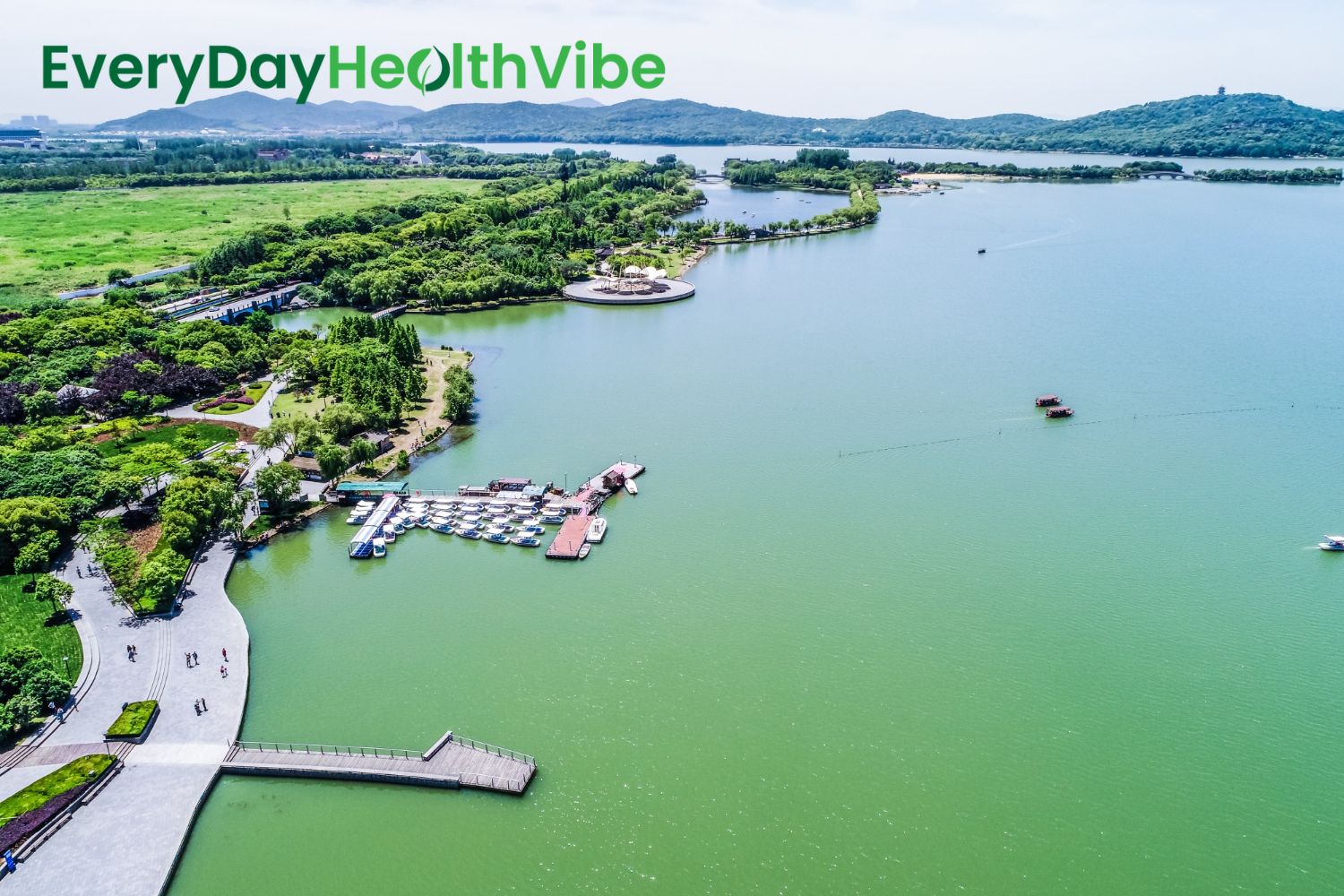
Using correct capitalization may seem like a small detail, but when it comes to writing about places, especially in health, safety, or wellness content, accuracy matters. When we refer to Lake Texoma, writing it properly respects its identity, ensures clarity, and builds trust with readers. Here’s why “lake texoma should be capitalized” isn’t just grammar — it’s good communication.
Why Correct Capitalization Matters
Writing clearly and professionally is essential — especially in health and safety content. Capitalization helps distinguish between general terms and specific names. When you write “lake texoma” in lowercase, readers may not immediately understand you are referring to a specific, recognized place. Using proper capitalization — Lake Texoma — signals that this is a unique, official name. That clarity reduces confusion and helps maintain credibility.
Capitalization also reflects attention to detail and respect for language. In formal or public-facing writing, small mistakes — like failing to capitalize a proper name — can make a text look careless. Especially in contexts where trust and accuracy matter, such as health bulletins, safety notices, or wellness guides, such attention to detail can influence how seriously readers take your message.
Lake Texoma as a Proper Noun
In English, proper nouns are used to name unique people, places, or things — and by rule they are capitalized. That includes cities, landmarks, water bodies, and more. Because Lake Texoma is an official, recognized reservoir with a specific name, it qualifies as a proper noun.
Using the lowercase “lake texoma” treats it as if it were any generic lake, which misrepresents its unique identity. Capitalizing both words — “Lake Texoma” — correctly signals to readers that it’s a distinct, identifiable place, not just any lake.
How Proper Naming Supports Clear Health and Safety Messaging
When writing about health or safety — for example, water quality warnings, public advisories, or wellness guides about swimming or boating — clarity matters above all. Mistakes in naming can cause confusion.
If someone reads “lake texoma water quality alert”, the lowercase phrasing might distract or lead them to wonder if the reference is casual or unofficial. But when written “Lake Texoma water quality alert”, the reader immediately recognizes this as a formal, official name — increasing the perceived seriousness and reliability of the information.
Consistent capitalization also helps when writing multiple articles, guides, or public notices. It ensures that the same name appears the same way across documents — preventing ambiguity, avoiding misunderstandings, and reinforcing trust in the content’s authority.
Real-World Scenarios Where Capitalization Matters
Imagine a public health announcement about water contamination or an outdoor safety advisory for swimmers. If the lake’s name is written incorrectly, the message may seem informal, inaccurate, or even untrustworthy. On the other hand, proper capitalization shows respect for the place and seriousness in communication.
Similarly, in wellness or outdoor lifestyle writing — say an article about safe swimming spots, or a guide about sun exposure near lakes — using “Lake Texoma” correctly helps readers understand exactly which location is meant. This clarity becomes especially important for people unfamiliar with local geography.
Even for educational content or community health outreach, proper names reinforce correctness and prevent misunderstanding.
How Language Accuracy Builds Trust and Reader Confidence
When readers see consistent, accurate language, they tend to trust the content more. A blog or site that always capitalizes proper names correctly feels more professional and credible. Especially in health or safety writing — where inaccurate information can have serious consequences — such attention to detail matters.
Conversely, inconsistent capitalization can make even well-researched content seem careless. It can cast doubt on other facts in the article. Proper language usage signals to your audience that you care about precision, that you’re informed, and that you value their understanding.
Common Mistakes in Writing Geographic Names — and How to Avoid Them
Even experienced writers sometimes slip up. Common errors when referencing places like Lake Texoma include:
- Writing “lake texoma” (both words lowercase) — treating the name as generic rather than specific.
- Writing “Lake texoma” — capitalizing only the first word or partially capitalizing incorrectly.
- Referring simply to “Texoma” without “Lake,” which may confuse readers unfamiliar with the context.
- Switching between correct and incorrect forms within the same article, undermining consistency.
What’s important is to treat proper names consistently: always capitalize “Lake” and “Texoma” when referring to the reservoir.
Best Practices for Writers in Health, Safety, and Wellness Contexts
To ensure clarity and professionalism in writing, especially for public-facing health or safety content, follow these best practices:
- Always treat recognized place names as proper nouns — capitalize both words.
- Maintain consistency throughout the entire document — the name should appear the same way each time.
- Double-check spelling and formatting, especially in headings, titles, and notices.
- Avoid casual shortcuts or lowercase variations, even in informal contexts, if the content may reach a wide audience.
- Recognize that details like capitalization matter — they contribute to your credibility, clarity, and reader trust.
How Capitalization Supports Accessibility and Readability
Clear formatting helps readers navigate text more easily. Proper capitalization makes names stand out visually, helping readers recognize when a place, person, or organization is being referenced.
In safety or health notifications — where quick comprehension can matter — clear naming ensures that important information stands out. For example, a warning titled “Lake Texoma Water Advisory” is immediately understandable. If written “lake texoma water advisory,” the impact may feel less official or even confusing.
Moreover, proper capitalization helps non-native English readers, early learners, or those reading on mobile devices — as the unique name stands out, reducing reading effort and improving comprehension.
Final Thoughts: Why “Lake Texoma Should Be Capitalized” Matters
When you write about Lake Texoma — especially in health, safety, or wellness content — capitalizing the name correctly is more than grammar. It’s a matter of clarity, respect, and professionalism.
Using Lake Texoma properly tells your readers you understand what you’re writing about, that you respect the place’s identity, and that your information is serious and credible. It helps prevent confusion, builds trust, and strengthens every health or safety message you share.
So next time you mention Lake Texoma — in an article, guide, announcement, or safety notice — remember: Lake Texoma should be capitalized. It’s a simple detail — but one that speaks volumes about accuracy and care.
How to Shrink Bunions Naturally and Improve Everyday Comfort
FAQs
1. Why does it matter if Lake Texoma is capitalized?
Capitalizing Lake Texoma shows that you’re referring to a specific, official place. It helps maintain clarity and supports professional communication, especially in health and safety writing.
2. Is “Lake Texoma” always considered a proper noun?
Yes. Because it’s a unique geographic location, both words should always be capitalized, just like the names of cities, countries, or other landmarks.
3. How does correct capitalization improve health or safety messages?
Proper capitalization makes the message clearer and easier to trust. When readers see a properly written name, they recognize the seriousness and accuracy of the information.
4. What happens if I write “lake texoma” in lowercase?
Writing it in lowercase can make your content look informal or unprofessional. It may also confuse readers who expect official place names to stand out clearly.
5. Do formal style guides require capitalizing Lake Texoma?
Yes. Standard writing guides and grammar rules agree that proper nouns, including lakes and landmarks, must be capitalized in all contexts.
