A bunion — the bony bump at the base of the big toe — can gradually turn comfortable walking into a challenge. It can affect how you stand, change the shoes you wear, and slowly become a source of daily discomfort. While many people believe surgery is the only solution, there are natural methods that can ease pain, reduce pressure, and help slow progression. This guide takes a realistic, well-researched look at how to shrink bunions naturally, while focusing on comfort, mobility, and long-term foot care.
What Bunions Really Are
A bunion develops when the joint at the base of the big toe shifts out of its normal alignment. The big toe begins leaning inward toward the other toes, while the bone beneath it pushes outward, forming a visible bump. Over time, this misalignment can worsen as pressure, friction, and tight footwear continue to push the toes inward.
Genetics, foot structure, flat feet, years of wearing narrow shoes, or long periods of standing can contribute. Though bunions range from mild to severe, most begin slowly — and without early care, they tend to progress.
Can Bunions Truly Shrink Naturally?
This is an important question. To be clear: natural methods cannot fully reverse a bunion because the bunion itself is a structural misalignment of the joint. Only surgery can realign the bones completely.
However, this doesn’t mean natural methods are useless. In fact, they can:
- Reduce pain and inflammation
- Slow or stop further progression
- Improve mobility and flexibility
- Ease daily discomfort
- Help the big toe sit in a more natural position
- Support better foot function long term
So when people search for how to shrink bunions naturally, what they are often seeking is a natural way to reduce the appearance, relieve pain, and prevent worsening — and these goals are very achievable.
Footwear Choices That Make a Big Difference
One of the most effective natural approaches is wearing shoes that support proper toe alignment. Tight, narrow, or pointed shoes force the big toe inward, which worsens bunions over time.
Shoes that help include:
- Wide toe box shoes — allowing toes to spread naturally
- Low-heeled or flat shoes with solid stability
- Soft, cushioned soles that reduce pressure
- Flexible uppers that don’t rub against the bunion
Switching to supportive footwear often provides immediate relief. It also helps prevent additional stress on the joint, which is essential for long-term comfort.
Cushions, Pads, and Orthotics for Relief
Soft bunion pads, gel cushions, and orthotic inserts don’t realign bones, but they help protect the bunion and spread pressure more evenly across the foot. This can lessen pain during walking and reduce irritation caused by shoes.
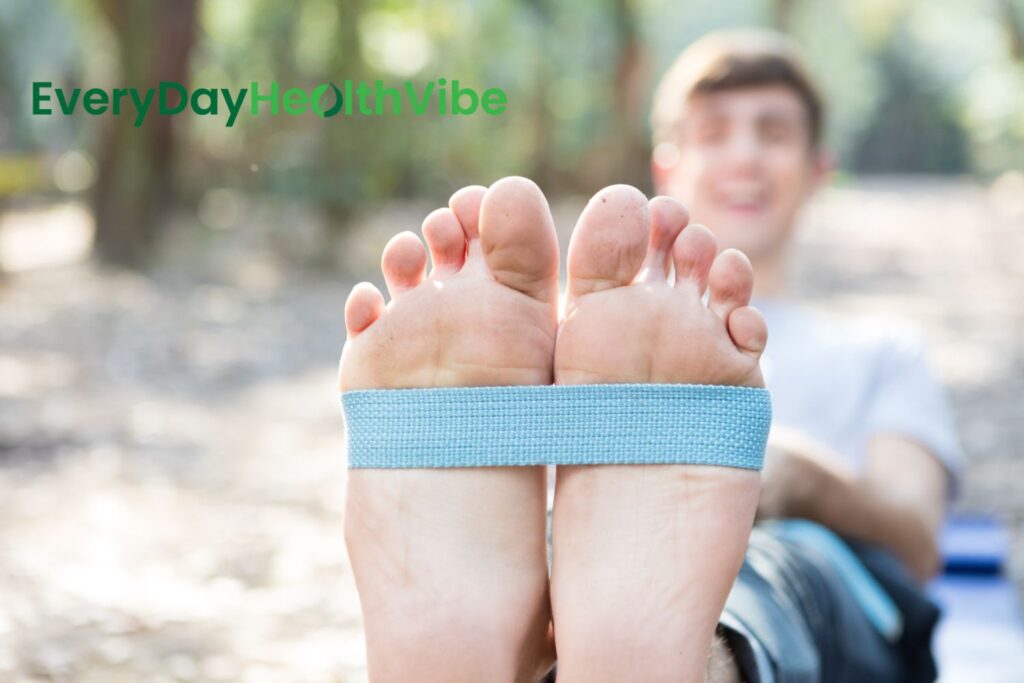
Toe spacers or toe separators can also encourage gentle realignment. While they don’t permanently correct the bunion, they help the toes sit in more natural positions, reducing discomfort. Some people also use night splints to gently support toe positioning while sleeping.
These small tools often make everyday activities far more comfortable.
Exercises That Support Better Alignment
Strengthening and stretching the muscles around the foot can help stabilize the joint and reduce pressure on the bunion. These exercises are simple, gentle, and can be done daily.
Toe spreads
Gently spread your toes apart and hold for a few seconds. This strengthens the small muscles that help keep the toes aligned.
Big toe stretches
Use your fingers to gently pull the big toe outward, encouraging a more natural position and reducing stiffness.
Towel scrunches
Place a towel on the floor and use your toes to scrunch it toward you. This builds foot strength and supports better alignment.
Marble pickup
Pick up small objects with your toes. It helps improve coordination and muscle control in the forefoot.
Arch strengthening
Supporting the arch reduces the load on the front of the foot, helping ease bunion pressure.
These exercises don’t cure bunions, but they significantly reduce tension and improve foot mechanics.
Natural Remedies to Ease Swelling and Pain
For many people, swelling around the joint is one of the most uncomfortable aspects of a bunion. Gentle home treatments can help calm inflammation.
Ice therapy
Applying ice for 10–15 minutes reduces swelling and irritation after standing or walking for long periods.
Warm foot soaks
Soaking your feet in warm water helps loosen the soft tissues around the joint and relax tired muscles.
Anti-inflammatory foods
A diet rich in leafy greens, berries, fatty fish, turmeric, ginger, nuts, and seeds helps reduce inflammation in the body — including in the bunion joint.
Topical balms or natural oils
Some people find relief using warming or cooling balms to ease soreness. These don’t treat the bunion but help relieve tension and discomfort.
These natural remedies bring relief on tough days and support better comfort overall.
Daily Habits That Promote Healthy Toe Alignment
Beyond remedies and exercises, small daily adjustments can make a big difference in slowing bunion progression.
- Avoid standing for extremely long periods without breaks
- Keep your weight evenly distributed when standing or walking
- Strengthen your core and legs to improve posture
- Avoid crossing your legs for long periods, which shifts pressure to one side
- Rest your feet when discomfort increases
- Massage the foot and forefoot to reduce tension
These habits help guide your feet into healthier patterns every day.
Lifestyle Choices That Support Bunion Health
Certain choices in daily life can influence how fast a bunion progresses:
- Maintaining a healthy weight reduces pressure on the front of the foot
- Using custom orthotics can improve gait and reduce stress on the big toe joint
- Choosing low-impact activities prevents additional strain
- Wearing protective pads before long walks helps avoid irritation
These choices build a foundation for long-term comfort and mobility.
When Natural Care May Not Be Enough
Natural methods work best for mild to moderate bunions or for managing symptoms. But when bunions grow painful, restrict movement, or make daily footwear difficult, medical care may be necessary.
If you experience:
- Persistent or worsening pain
- Swelling that doesn’t go away
- Limited mobility
- A bunion that keeps increasing in size
- Pain under the second toe
- Frequent redness or inflammation
…it may be time to speak with a foot specialist. Surgery becomes a consideration when quality of life is affected.
Final Thoughts on Natural Bunion Care
If you’re looking for how to shrink bunions naturally, think of it as a journey toward comfort rather than a quick fix. Bunions don’t disappear through natural care alone, but your symptoms and daily life can improve dramatically.
By combining better footwear, simple exercises, supportive tools, and thoughtful habits, you can reduce pain, prevent progression, and move more freely. These gentle steps protect your feet and help you stay active without the constant discomfort bunions can bring.
Small changes — applied consistently — often create the biggest improvements. Treat your feet with patience, kindness, and steady care. They carry you everywhere, and they deserve comfort.
What to Eat for Comfort: Foods That Reduce Swelling in Feet and Ankles Naturally
FAQs
1. Can bunions really shrink naturally?
Natural methods can’t fully reverse a bunion, but they can reduce pain, ease inflammation, and slow progression. These steps help the bunion look and feel less severe over time.
2. What is the most effective natural way to reduce bunion discomfort?
Wearing wide, supportive footwear combined with gentle toe exercises often provides the quickest relief. These habits reduce pressure on the big toe joint and improve overall comfort.
3. Do toe spacers help bunions?
Toe spacers don’t permanently change the bone structure, but they can improve alignment, ease tension, and make walking more comfortable when used regularly.
4. How long does it take to see improvement?
Many people notice relief within days or weeks of consistent care. Structural changes take longer, but small daily habits make a meaningful difference over time.
5. When should I see a doctor about my bunion?
If pain is severe, swelling continues, or the bunion affects your ability to walk or wear shoes, it’s best to seek professional evaluation.
