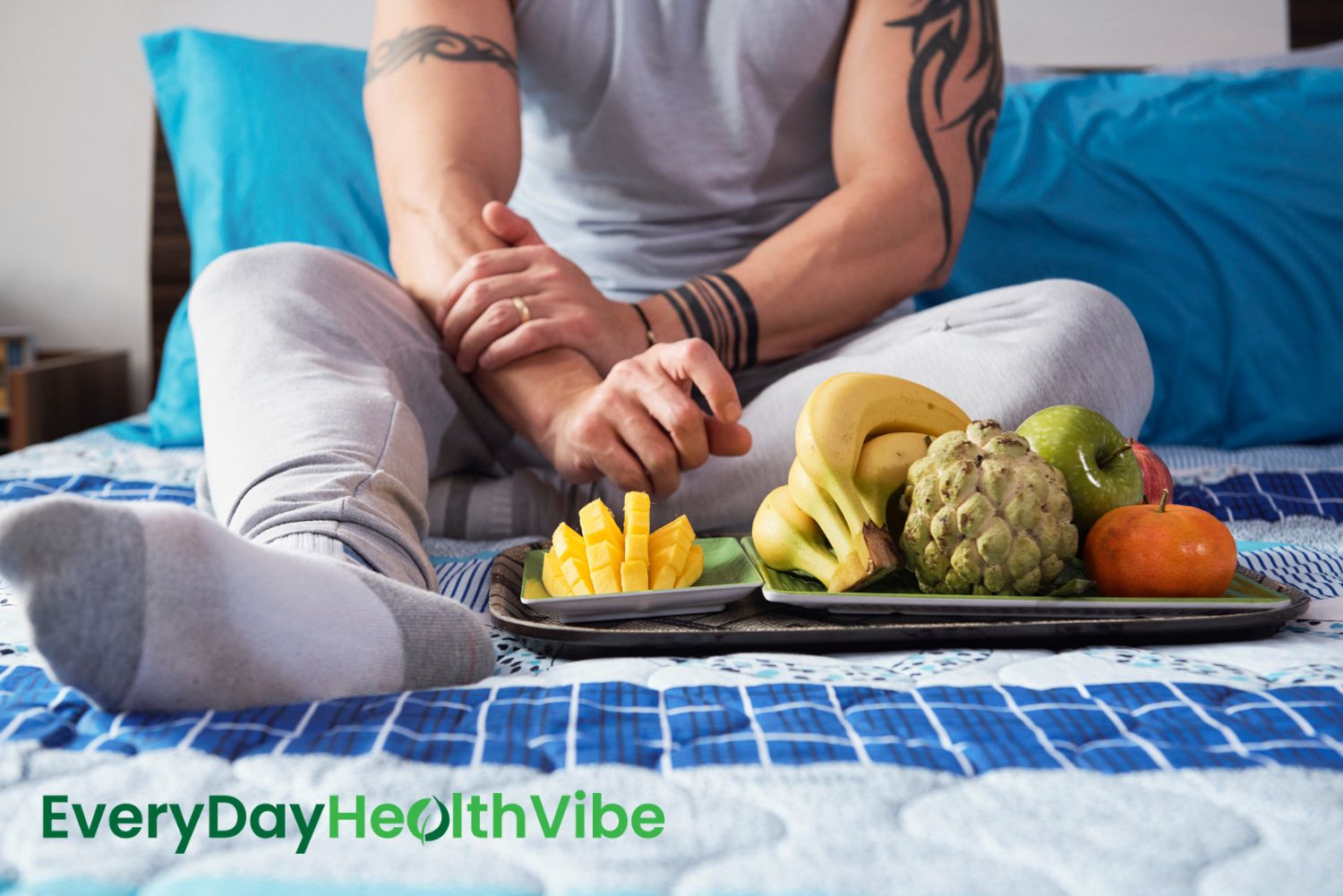
foods that reduce swelling in feet and ankles Swelling in the feet and ankles can feel heavy, uncomfortable, and limiting. Whether it happens after a long day on your feet, due to a salty meal, or from underlying health issues, the discomfort is real. The encouraging part is that food can play a gentle but powerful role in easing this swelling. By choosing the right ingredients and understanding how certain nutrients support fluid balance, you can help your body feel lighter, more mobile, and more at ease. In this guide, we explore how thoughtful eating helps reduce swelling and the most supportive choices you can add to your daily routine.
Why Swelling Happens
Swelling in the lower limbs often occurs when excess fluid gathers in the tissues — a condition known as edema. This can be triggered by standing or sitting for long hours, high salt intake, hormonal changes, pregnancy, injuries, or reduced circulation. Sometimes, swelling is simply the body’s way of responding to pressure or fatigue. But at other times, especially if it is persistent, it may signal deeper health concerns related to the kidneys, heart, or veins.
Understanding why swelling happens helps you respond with intention. And while lifestyle factors matter, the food you eat has a direct impact on fluid regulation, inflammation, and circulation — three major pieces of the swelling puzzle.
How Diet Helps Reduce Swelling
Many people overlook how strongly food influences swelling. The right choices can support your body’s ability to release excess fluid, reduce inflammation, and improve circulation. Here’s how:
- Potassium helps balance sodium levels and encourages the body to release retained fluid.
- Anti-inflammatory foods calm irritated tissues and reduce the pressure that causes swelling.
- Water-rich foods help hydrate the body and promote natural flushing.
- Natural diuretics gently encourage the kidneys to release excess fluid.
When combined, these elements create a diet that supports comfort, mobility, and long-term wellness — especially for those dealing with swelling in the lower limbs.
Foods That Reduce Swelling in Feet and Ankles
Potassium-Rich Choices
Potassium plays a central role in reducing water retention. When you have too much sodium, your body tends to hold on to extra water, especially around the feet and ankles. Potassium balances this process and encourages the body to let go of excess fluid.
Great potassium-rich foods include bananas, avocados, spinach, sweet potatoes, beans, yogurt, and oranges. These foods help maintain electrolyte balance and support gentle hydration.
Water-Rich Fruits and Vegetables
Hydration is a major part of reducing swelling. Water-dense foods help your body move fluid more effectively.
Watermelon, cucumbers, celery, tomatoes, strawberries, and lettuce are refreshing options that support your kidneys and prevent fluid from stagnating in your lower limbs.
Anti-Inflammatory Foods
Inflammation is a major contributor to swelling, and reducing it can make a noticeable difference.
Berries, leafy greens, fatty fish (like salmon and sardines), walnuts, chia seeds, turmeric, ginger, and extra virgin olive oil offer strong anti-inflammatory benefits. They support circulation and calm the tissues that tend to swell during long days or periods of inactivity.
Natural Diuretic Foods
Some foods and herbs act as mild natural diuretics — meaning they encourage your body to release water naturally.
Cucumbers, celery, lemon water, parsley, dandelion tea, and green leafy vegetables can support healthy fluid elimination. Including these foods regularly may help lighten the feeling of heaviness in your legs and ankles.
Foods That Support Circulation
Healthy circulation reduces the chance of fluid collecting in your lower limbs.
Dark chocolate (in moderation), garlic, onions, beets, and citrus fruits help improve blood flow. Better circulation means less pooling of fluid and more comfort throughout the day.

Foods to Avoid or Limit
Certain foods can make swelling worse, especially when consumed frequently. Limiting these can help your efforts be more effective:
- Foods high in sodium (processed snacks, canned soups, fast food)
- Sugary drinks and refined sugary snacks
- Fried and highly processed foods
- Excess caffeine or alcohol, which can dehydrate your body
- Processed meats that contain high levels of salt
Reducing these choices can prevent additional fluid retention and help your body respond more positively to supportive foods.
Simple Eating Habits That Help
Supporting your feet and ankles doesn’t require extreme dieting — just mindful, consistent habits.
- Add a potassium-rich food to every meal.
- Drink enough water to support fluid movement.
- Snack on berries, nuts, or water-rich fruits.
- Choose fresh vegetables over packaged options.
- Season meals with ginger or turmeric for inflammation support.
- Reduce salt wherever possible.
These steady habits build a foundation for lasting comfort.
When Diet Alone Isn’t Enough
There are times when swelling may be a sign of something more significant. If you notice swelling that is painful, persistent, one-sided, or accompanied by shortness of breath, chest pressure, skin discoloration, or warmth, professional evaluation is important.
Diet greatly supports your body — but certain medical issues require direct treatment and guidance from a healthcare provider. If the swelling continues for weeks despite dietary changes, it’s worth seeking an expert opinion.
Final Thoughts on Eating for Comfort
Finding relief from swelling doesn’t always require complex solutions. Often, supporting your body begins with simple choices — adding more potassium-rich foods, choosing anti-inflammatory ingredients, drinking enough water, and limiting foods that promote fluid retention.
The right foods that reduce swelling in feet and ankles can help you feel lighter, move more comfortably, and regain a sense of ease in your day. These small steps add up, creating a sense of comfort and well-being that you can feel with every step.
Seeing a Chiropodist: The Simple Guide to Healthier, Pain-Free Feet
FAQs
1. What causes swelling in feet and ankles?
Swelling usually happens when excess fluid collects in the tissues. It can be caused by long hours of standing, high salt intake, poor circulation, injuries, or underlying health conditions.
2. Can eating certain foods really reduce swelling?
Yes. Some foods help balance fluid levels, reduce inflammation, and support circulation. These effects can naturally ease swelling and discomfort in the lower limbs.
3. How fast do foods that reduce swelling in feet and ankles work?
Improvement varies from person to person. Some people notice changes within a day or two, while others may need consistent habits for a week or more to feel a difference.
4. Which foods should I avoid if I have swelling?
High-salt foods, processed snacks, sugary drinks, and fried or heavily processed meals can worsen fluid retention. Avoiding these helps the body release excess fluid more easily.
5. Should I see a doctor if swelling doesn’t go away?
Yes. Persistent swelling, one-sided swelling, or swelling accompanied by pain, redness, or breathing issues should be evaluated by a healthcare professional.
