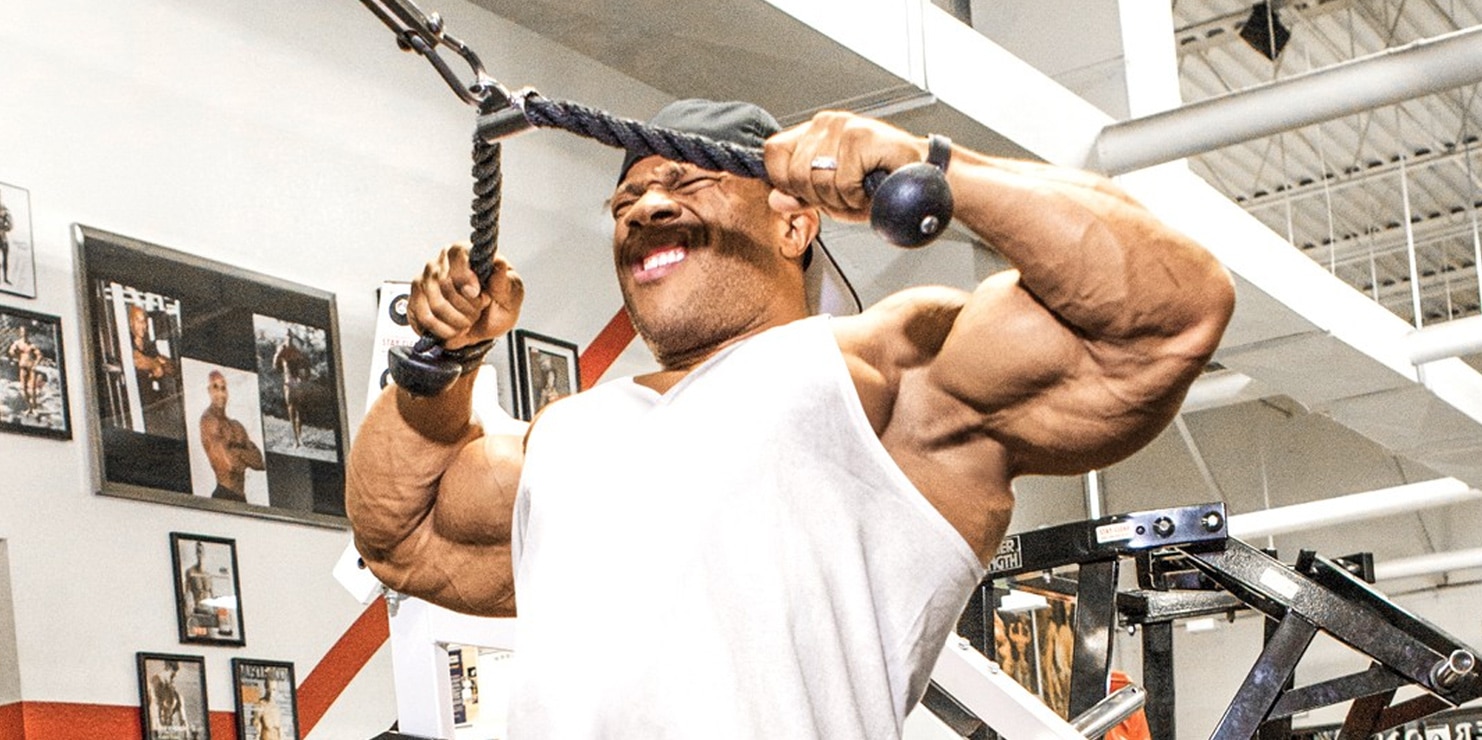
Face pulls are one of those rare accessory lifts that pay you back in shoulder health, posture, and upper-back strength. When your form is dialed in, they teach your shoulder blades to move well, build the rear delts that balance pressing volume, and keep your rotator cuff happy. When form is off, they turn into an awkward tug-of-war that shrugs your traps and grinds your neck. This guide breaks down face pulls form with practical cues, easy fixes, and programming you can use today.
What face pulls do
At their core, face pulls target the rear deltoids, the external rotators of the shoulder (infraspinatus and teres minor), and the middle and lower trapezius. That mix matters. Rear delts and the external rotators help counter the internal-rotation bias most of us build from desk time and pressing exercises, while the mid-lower traps help set the shoulder blades into a strong, stable position. Together, that improves posture, creates a better foundation for pressing, and often reduces the cranky shoulder feelings lifters get after bench or overhead work. Strength coaches and rehab clinicians alike frequently use face pulls as a staple because of this blend of hypertrophy, motor control, and shoulder-friendly mechanics.
Equipment and setup
Most people do best with a cable stack and a double-ended rope attachment. Set the pulley roughly at eye to forehead height. If you’re shorter or taller relative to the machine, adjust so the rope travels on a slight upward path toward your brow. Bands work too, especially at home or for warm-ups, but they ramp tension at the end of the range, which can encourage you to cut the motion short; stand farther back and control the return to balance that out.
Stance-wise, a split stance (one foot forward, one back) keeps your torso quiet. A slight knee bend helps you brace. If you prefer seated, use a bench with your feet planted and ribs stacked over hips—no leaning way back. Grip the ends of the rope with a neutral grip so your thumbs point behind you at the finish. Let your wrists stay straight rather than curling the rope around your knuckles.
The core technique
Start with a soft brace: ribs down, glutes lightly on, head neutral, eyes forward. Let your shoulder blades reach forward at the start so you feel a gentle stretch between the shoulder blades—this is protraction, and it matters because good face pulls move the scapulae through a full glide, not a pinned-back statue pose.
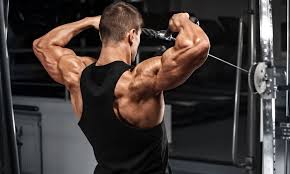
Initiate the pull by spreading the rope apart and guiding your elbows up and out. Imagine your elbows drawing a wide arc into a “goalpost” position. Finish with the rope ends near your eyebrows or upper forehead, not your chin or throat. At the peak, your forearms should be vertical and your wrists neutral; the upper arm lines up around shoulder height or slightly above, and the elbows are clearly higher than the wrists. Pause for a count to feel your rear delts and lower traps switch on, then return under control until your shoulder blades glide forward again.
If a simple rhythm helps, use a 2–3 second pull, 1-second pause, and a 2–3 second return. Breathe out as you pull, sip a little air at the top, then inhale fully as you lower with control. This tempo protects your shoulder and improves time under tension, which is useful for both muscle growth and motor learning.
Short cues that work
The best cues are simple. Lead with elbows, not hands. Pull the rope apart, not to your mouth. Knuckles up, wrists straight. Chest tall, ribs quiet. Scaps glide: reach forward at the start, retract as you pull, and don’t shrug. If you struggle to feel the right muscles, try a very light set where you exaggerate these cues before adding load.
Errors you can fix fast
Pulling too low is the most common issue. When the rope heads toward your mouth or throat, you end up with elbows tucked and the line of pull shifts to the lats and biceps. Fix it by aiming for the eyebrows or forehead and by setting the pulley slightly higher so your elbows can travel up and out. Another frequent mistake is keeping the elbows glued to your sides; flare them and think “wide Y” so the rear delts and external rotators do the work you want.
Overarching the lower back looks like a big chest-up lean to move the stack. That’s not shoulder strength; that’s you turning a face pull into a hip hinge. Soften your knees, stack ribs over hips, and gently exhale before you pull to keep your brace. If you feel it in your neck, you’re shrugging. Before you pull, think “pockets down” to lightly depress your shoulder blades without cranking them. If shrugging persists, lighten the load and pause at the peak to groove the pattern.
Some lifters only move at the shoulder joint and keep their blades pinned together the whole time. The shoulder is a team sport between the ball-and-socket and the shoulder blade; let the blades protract at the start and retract as you pull. On the flip side, don’t crank the blades so hard that your elbows shoot past your body—stop when the rope ends reach the brow and you feel a clean squeeze between your shoulder blades.
Finally, too much weight ruins the intent. If your rep speed jumps and your body rocks, reduce the load until you can hold the top position for a full second without shaking, maintain neutral wrists, and feel the rear delts light up. Most people make better gains with moderate loads and pristine control than with heavy, sloppy pulls.
Little details that make a big difference
Set the rope height so the line of pull matches the target tissues. Eye to forehead height does that for most bodies. Use a grip that lets you separate the rope at the finish—if your gym has a thicker or longer rope, that often feels better on the wrists and allows more shoulder external rotation. Keep your chin tucked lightly so your head stays tall without jutting forward. If you notice forearm pump more than rear delt work, reduce your grip squeeze and focus on driving with the elbows.
A small forward lean, just a few degrees, can improve balance and stop you from leaning back. If bands are your tool, anchor the band slightly above eye level and step back until there’s light tension with arms long in front. Control the last third of the return where band tension drops quickly so you don’t snap forward and lose scapular rhythm.
Useful variations
Band face pulls are friendly on the joints and great for higher reps or warm-ups. Seated cable face pulls remove some lower-body compensation and are nice for hypertrophy sets where you want to stay locked in. Single-arm face pulls are excellent for clearing up asymmetries and for teaching the shoulder blade to glide without the other side compensating; they also let you fine-tune the elbow path. A face pull to external rotation adds a finishing twist to emphasize the rotator cuff—pull to the forehead, then rotate the forearms so the fists point up, pause, and return in reverse. Keep that one light and controlled.
Another smart variation is a paused peak version in which you hold the top for 2–3 seconds. That time under tension stresses the rear delts and teaches the lower traps to keep the scapulae slightly depressed rather than shrugging.
face pulls form
Programming that works
If your goal is shoulder health and posture, try 2–4 sets of 12–20 reps, two to four times per week. Keep rest periods short to moderate, about 45–75 seconds, and focus on the clean scapular motion and the pause. For muscle growth, use 3–5 sets of 10–15 reps, two to three times per week, with 60–90 seconds of rest and a strict 2–3 second eccentric. Progress by adding reps first, then load, or by increasing the pause at the peak from one to two seconds.
Face pulls fit naturally as a finisher on push days to balance pressing volume, or in the middle of pull days when your energy and focus let you move precisely. On an upper/lower split, put them on upper days after the big lifts. As a warm-up, one to two very light sets before pressing can cue better shoulder blade mechanics and prime the rotator cuff without fatigue.
Warm-up and prep
A little mobility and activation goes a long way. A minute or two of thoracic extension work over a foam roller opens the upper back so the shoulder blades can sit and glide better. Scapular wall slides, done for 8–12 smooth reps, teach upward rotation without shrugging. Serratus anterior activation—like a push-up plus or a banded punch—helps the shoulder blades wrap forward at the start position so the face pull begins with clean protraction. You don’t need a long routine; two or three quick drills set the stage for better reps.
A fast form check
Run through a 30-second checklist after your first set. Elbows higher than wrists at the finish? Rope ends landed at eyebrows or forehead, not the mouth? Shoulder blades moved from reach to squeeze rather than staying pinned? Lower back quiet with ribs down? Able to pause for a full second at the top without wobbling? If you get three or more “no” answers, adjust the pulley height, lighten the weight, and repeat.
Troubleshooting by feel
If your neck feels tight, you’re probably shrugging or craning your head forward. Think “long neck, pockets down,” reduce the load, and aim slightly higher with the rope. If you feel a pinch at the front of the shoulder, elevate the elbows more, pull wider, slow the tempo, and avoid forcing the hands past the line of the shoulders. If you can’t feel the rear delts even with lighter weight, increase the pause at the peak to two seconds and use sets of 15–20 with a clear emphasis on the eccentric. If your wrists ache, keep them straight, separate the rope more at the finish, and ease your grip pressure so your elbow drive takes over.
Safety first
Face pulls should feel like effort in the back of the shoulders and between the shoulder blades—not sharp, anterior shoulder pain. If you’ve had shoulder surgery or you’re working around impingement symptoms, start with bands, pull to eye level, and keep the load light and the range honest. Don’t crank the external rotation piece under heavy load; the cuff prefers quality tension, clean scapular mechanics, and a controlled tempo over maximal weight. If pain persists, get eyes on your form from a qualified coach or clinician.
Sample sessions
A beginner-friendly session might include 3 sets of 12–15 reps with a 2–3 second lowering and a 1-second pause at the top. Rest 60 seconds. Focus on elbow path and breathing. For an intermediate lifter, 4 sets of 10–12 with a slightly higher load works well, adding a face-pull-to-external-rotation set every other workout. At home with bands, try 3 sets of 15–20 with a gentle walkout to set tension, then strict control on the way back in. If you pair movements, face pulls complement push presses, bench, dips, or lower-body lifts, helping your shoulders finish the session balanced.
Why the mechanics matter
The shoulder complex earns stability through movement, not by being pinned down. The scapulae are meant to protract, retract, upwardly rotate, and posteriorly tilt in sync with the ball-and-socket joint. Face pulls, when aimed high with elbows traveling out and up, encourage this pattern: lower traps assist with slight depression and upward rotation, serratus anterior allows controlled protraction and helps the scapula sit flush, and the posterior cuff centers the humeral head as the rear delts pull. That’s why the aim point and elbow path are non-negotiable. Pulling low or keeping the elbows tucked changes the joint mechanics, loads different tissue, and usually feeds the same patterns that cause shoulder gripes in the first place.
Practical progression
Progress slowly. When all sets hit the top of the rep range with the pause solid and no neck shrug, add a small weight increment next session. Alternatively, increase the pause to two seconds for a week before adding load; that preserves technique while nudging adaptation. Every four to six weeks, swap in a variation—single-arm, paused peak, or light face pull to external rotation—to keep skill sharp and avoid pattern boredom. If pressing volume is high that month, keep face pulls in the 12–20 range with light to moderate load to protect recovery.
Common questions answered
Rope height is best around eye to forehead level because it matches the elbow path and keeps the line of pull in the rear delts and external rotators. A neutral grip on the rope ends is comfortable for most, but if your gym has a long rope that allows more separation and a bit of external rotation at the finish, that often feels great on the shoulders. Frequency depends on your total pressing and pulling volume; two to four times per week is common, with total weekly sets landing between 6 and 12 for most lifters. Cables and bands both work; cables make load easier to quantify and keep tension steady, while bands are convenient and joint-friendly but require more control near the anchor to avoid snapping the last few inches.
Key takeaways
Aim high, pull wide, and move your shoulder blades. Keep your ribs quiet, wrists neutral, and elbows leading the way. Control the eccentric and own a brief pause at the top. Use enough weight to feel the rear delts and mid-back, but not so much that your neck shrugs or your back leans. Program them consistently, pair them with pressing, and let the movement teach your shoulders to move well.
Sources and notes
- Strength and conditioning texts and coaching practice consistently highlight rear deltoid and external rotator emphasis with high arm path pulling for shoulder balance and posture.
- Biomechanics literature describes the roles of the posterior cuff (infraspinatus, teres minor) in external rotation and humeral head stabilization, and of the middle and lower trapezius plus serratus anterior in scapular retraction, depression, and upward rotation during arm elevation.
- Clinical guidelines for shoulder health emphasize controlled scapular motion, moderate loads, and tempo work for rotator cuff-friendly training, aligning with the high-elbow face pull technique described here.
These points reflect broadly accepted principles in exercise science and clinical practice for upper-back and shoulder training, applied directly to the face pull so your technique is strong, safe, and effective.
FAQs
How high should I set the rope?
Set the pulley around eye to forehead height. This lines up the pull with your rear delts and keeps elbows traveling up and out, not tucked down by your ribs.
Where should the rope finish?
Aim the rope ends to your eyebrows or upper forehead. If it’s landing at your mouth or neck, raise the pulley or your elbow path.
How many reps are best for face pulls?
Most lifters progress well with 10–20 reps. For shoulder health, use 12–20 with slow control. For muscle growth, 10–15 with a steady 2–3 second lowering.
Why do I feel it in my neck?
You’re likely shrugging or leaning back. Think “pockets down,” keep ribs stacked over hips, lighten the load, and pause at the top for a clean squeeze.
Cables or bands—what’s better?
Both work. Cables offer steady tension and easy load tracking. Bands are convenient and joint-friendly but need extra control on the return to avoid snapping forward.
