
Introduction
When you first hear the term pavatalgia, it can feel unfamiliar and even a little worrying. Most people who come across it are not just curious about the condition itself, they are trying to answer a deeper question: how long can I live with pavatalgia?
This concern is completely natural. Anything that involves chronic pain tends to raise fears about long-term health and lifespan. The good news is that, in most cases, pavatalgia is not a life-threatening condition. However, understanding what it really is and how it affects your body is essential if you want to manage it properly and live well.
What Is Pavatalgia?
Pavatalgia is not a single, clearly defined disease. Instead, it is a term often used to describe persistent or chronic pain in a specific area of the body, especially when the exact cause is unclear.
In many cases, it refers to ongoing discomfort that lasts for weeks or even months without obvious structural damage. This makes it more of a symptom pattern than a confirmed diagnosis.
Some sources also associate pavatalgia with chronic pain in areas like the pelvis or feet, depending on how the term is used in different contexts.
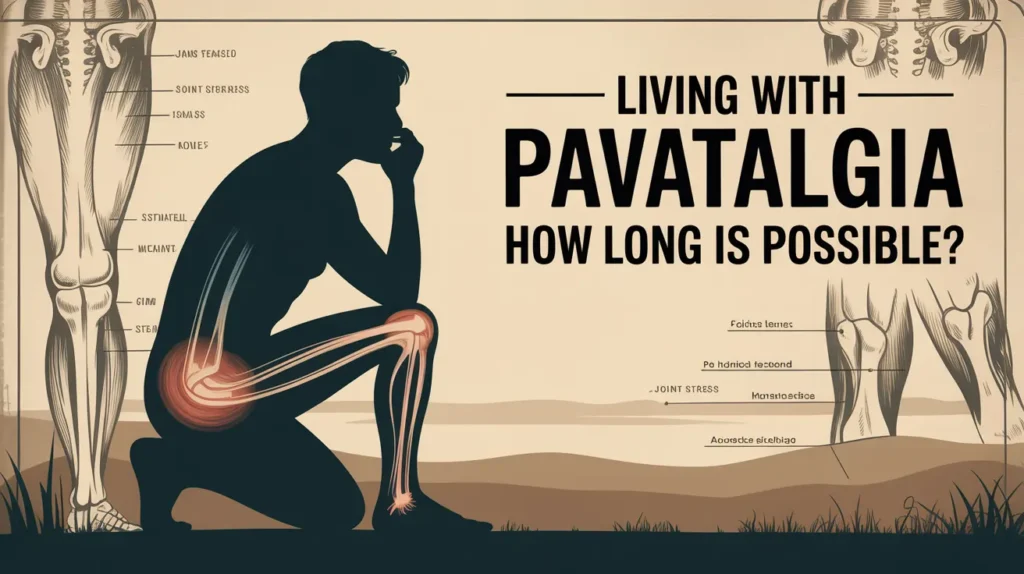
What matters most is this:
Pavatalgia represents long-term pain that may come and go, change intensity, and resist simple treatment.
Symptoms You Should Know
The symptoms of pavatalgia are not identical for everyone. That is one of the reasons it can be confusing and difficult to diagnose.
Most people experience a mix of the following:
- Persistent aching or burning pain
- Sharp or stabbing sensations during movement
- Sensitivity in the affected area
- Reduced mobility or stiffness
- Pain that worsens with activity or prolonged sitting
In some cases, symptoms may fluctuate. One day the pain feels manageable, and the next day it becomes intense. This unpredictable nature is a common feature of chronic pain conditions.
What Causes Pavatalgia?
There is no single cause behind pavatalgia. Instead, it usually develops due to a combination of factors.
Some of the most common contributors include:
- Nerve irritation or compression
- Muscle tension or inflammation
- Repetitive strain or poor posture
- Past injuries or surgeries
- Chronic stress affecting pain perception
In many cases, the exact cause is never fully identified. Doctors often reach a diagnosis after ruling out other conditions.
This is why pavatalgia is sometimes described as a “diagnosis of exclusion.”
Does Pavatalgia Affect Life Expectancy?
This is the most important question, and the answer is reassuring.
Pavatalgia itself does not reduce life expectancy.
It is a pain-related condition, not a fatal disease. Most people who live with pavatalgia can expect to live a normal lifespan.
However, there is an important detail to understand.
When the Underlying Cause Matters
While pavatalgia itself is not dangerous, the condition causing the pain can sometimes be significant.
For example:
- If the pain comes from simple issues like muscle strain or inflammation, there is no impact on lifespan
- If it is linked to conditions like diabetes or poor circulation, those underlying problems may affect long-term health
This is why proper diagnosis matters. Treating the root cause is more important than just managing the pain.
Living With Pavatalgia Long Term
Living with chronic pain is not just about physical discomfort. It can affect multiple aspects of your life.
Many people experience:
- Difficulty performing daily activities
- Reduced physical activity and mobility
- Interrupted sleep
- Mental fatigue or frustration
Over time, these challenges can affect overall quality of life.
That said, many individuals learn to manage their symptoms effectively and continue to live active, fulfilling lives.
Quality of Life and Mental Health
Chronic pain often has an emotional side that is easy to overlook.
People living with pavatalgia may deal with:
- Anxiety about long-term health
- Stress caused by persistent discomfort
- Reduced motivation or energy
This connection between physical pain and mental health is well documented. Pain is not just a physical sensation, it also affects how the brain processes stress and emotions.
Taking care of mental well-being is just as important as treating the physical symptoms.
How Pavatalgia Is Diagnosed
Diagnosing pavatalgia can take time because there is no single test for it.
Doctors usually rely on:
- Detailed symptom history
- Physical examinations
- Imaging tests to rule out other conditions
- Nerve or mobility assessments
In many cases, diagnosis happens only after eliminating other possible causes.
This process can feel frustrating, but it is necessary to ensure the correct treatment approach.
Treatment Options
There is no universal cure for pavatalgia, but there are many ways to manage it effectively.
Medical Treatments
- Pain relief medications
- Anti-inflammatory drugs
- Nerve-targeted therapies
Physical Approaches
- Physical therapy
- Stretching and strengthening exercises
- Posture correction
Lifestyle Adjustments
- Regular movement and activity
- Stress management techniques
- Better sleep habits
Most treatment plans focus on reducing pain and improving function, rather than eliminating the condition completely.
Can Pavatalgia Be Cured?
In some cases, yes.
If the underlying cause is identified and treated early, symptoms may gradually disappear. For example, pain caused by muscle strain or posture issues often improves with proper care.
However, when pavatalgia becomes chronic, it is usually managed rather than fully cured.
The goal shifts from “fixing” the condition to controlling symptoms and maintaining a good quality of life.
Tips for Living a Healthy Life With Pavatalgia
If you are dealing with this condition, small changes can make a big difference.
Here are some practical tips:
- Stay physically active but avoid overexertion
- Maintain good posture, especially during long sitting hours
- Follow a consistent routine for stretching or exercise
- Manage stress through relaxation techniques
- Seek medical advice early instead of ignoring symptoms
These habits not only reduce pain but also support overall health, which plays a key role in long-term well-being.
Common Myths About Pavatalgia
There are many misconceptions about this condition.
Myth 1: Pavatalgia is life-threatening
This is not true. It does not directly affect lifespan.
Myth 2: Pain means permanent damage
Not always. Chronic pain can exist without visible injury.
Myth 3: Nothing can be done
In reality, many treatments and lifestyle changes can improve symptoms significantly.
Understanding these myths helps reduce unnecessary fear and confusion.
Answering the Big Question Clearly
Let’s come back to the main concern:
How long can I live with pavatalgia?
You can live a normal, full lifespan with pavatalgia in most cases.
The condition itself is not fatal. What matters is identifying and managing any underlying causes and maintaining a healthy lifestyle.
Conclusion
Pavatalgia may sound serious, but it is best understood as a chronic pain condition rather than a life-threatening disease. While it can affect your comfort, mobility, and daily routine, it does not usually shorten your life.
The key is not to ignore it. Pay attention to your symptoms, seek proper medical guidance, and take consistent steps to manage your health.
With the right approach, people living with pavatalgia can continue to lead active, meaningful, and long lives.
Is Fojatosgarto Hard to Cook? A Simple, Healthy Guide for Beginners
Frequently Asked Questions (FAQs)
1. Is pavatalgia a life-threatening condition?
No, pavatalgia itself is not considered life-threatening. It is a form of chronic pain rather than a disease that directly affects survival. Most people live a normal lifespan with proper management.
2. How long can I live with pavatalgia?
You can live a full and normal life with pavatalgia. The condition does not directly reduce life expectancy, but managing symptoms and overall health is important for maintaining quality of life.
3. Can pavatalgia go away on its own?
In some cases, it can improve or resolve, especially if caused by temporary factors like muscle strain or posture issues. However, chronic cases may require ongoing management rather than a complete cure.
4. What makes pavatalgia worse over time?
Factors like poor posture, lack of movement, stress, and ignoring early symptoms can make the condition worse. Addressing these early can help prevent long-term discomfort.
5. When should I see a doctor for pavatalgia?
You should consult a doctor if the pain lasts for several weeks, becomes severe, or starts affecting your daily activities. Early diagnosis helps rule out serious underlying causes.
