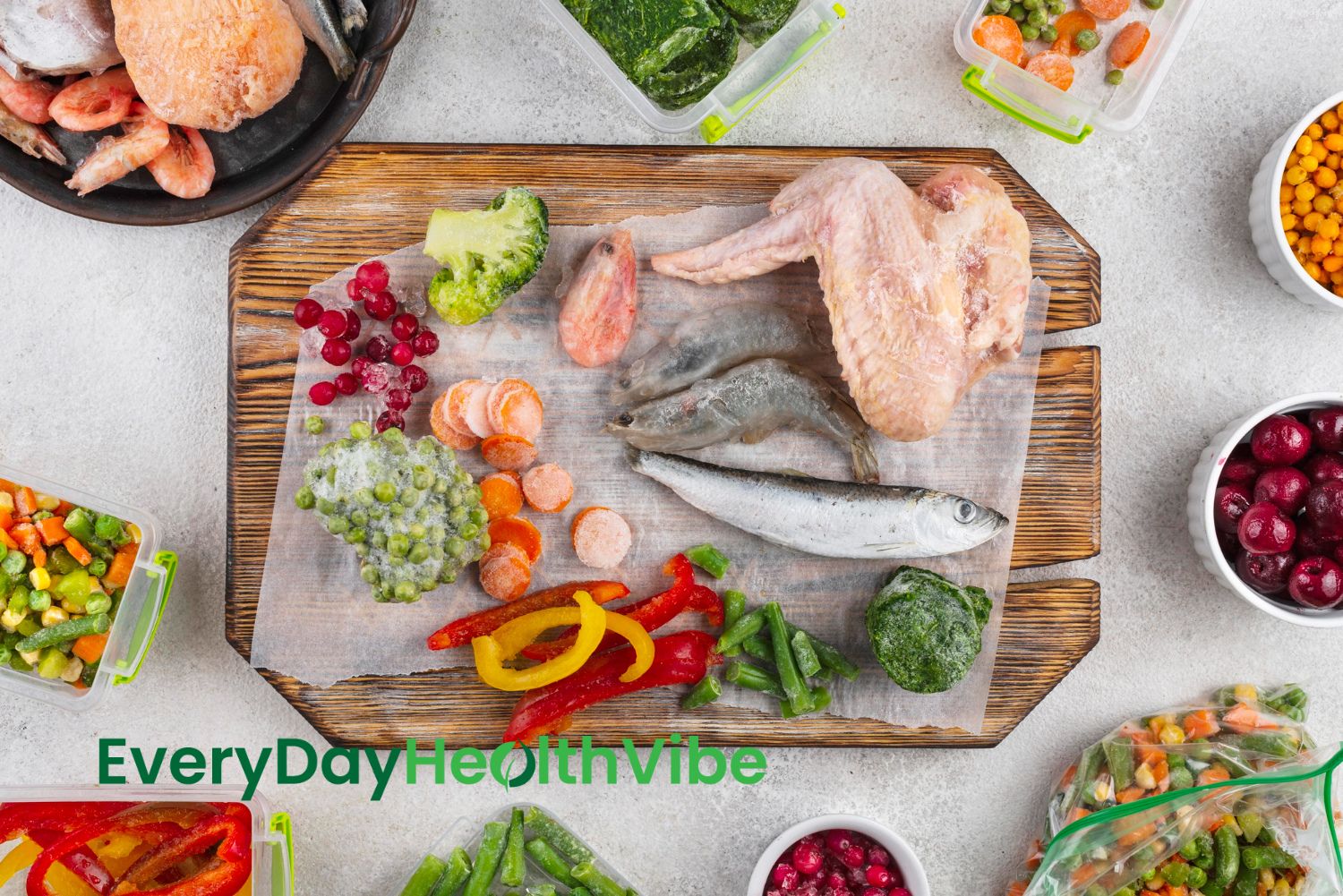
Modern life doesn’t always leave room for home-cooked meals. Work, family responsibilities, changing schedules, and daily demands can make cooking feel overwhelming. In moments like these, high protein frozen meals offer a practical solution. They provide balanced nourishment, steady energy, and portion control — all while saving time.
Instead of viewing frozen meals as a compromise, many people now see them as part of a realistic, supportive approach to daily eating. With better food technology and improved ingredient choices, they can genuinely fit into a health-focused lifestyle. This article takes a calm, thorough look at what makes high protein frozen meals useful, how to choose wisely, and how they can become a stable part of everyday nutrition.
Why Frozen Meals Deserve a Second Look
Frozen meals have changed dramatically over the years. Freezing is simply a preservation method that allows food to remain safe and nutritionally stable for long periods. Many high-quality meals today are frozen at peak freshness, helping retain nutrients without needing preservatives.
While some frozen meals are still heavily processed or high in sodium, many others are thoughtfully created with lean proteins, vegetables, and balanced macronutrients. For anyone who struggles with consistent meal prep or doesn’t always have time to cook, these meals can fill an important gap.
Instead of skipping meals, grabbing something unhealthy, or overeating out of convenience, having a few balanced frozen meals on hand can support steadier habits.
Why Protein Matters in Daily Nutrition
Protein is essential for muscle repair, immune support, metabolic health, and overall strength. It helps with satiety, stabilizes energy, and supports recovery from daily activities — whether exercise, work, or simply managing the tasks of everyday life.
However, many people unintentionally under-consume protein, especially when they’re busy. High protein frozen meals offer a simple way to meet daily needs without having to prepare large portions of meat, legumes, or tofu from scratch.
When a frozen meal contains a meaningful amount of protein and pairs it with moderate carbohydrates, healthy fats, and fiber, it can become a stable anchor in your day — especially during hectic moments.
What Makes a Frozen Meal “High Protein”?
A genuinely high protein frozen meal includes several important features.
Strong Protein Source and Adequate Protein Amount
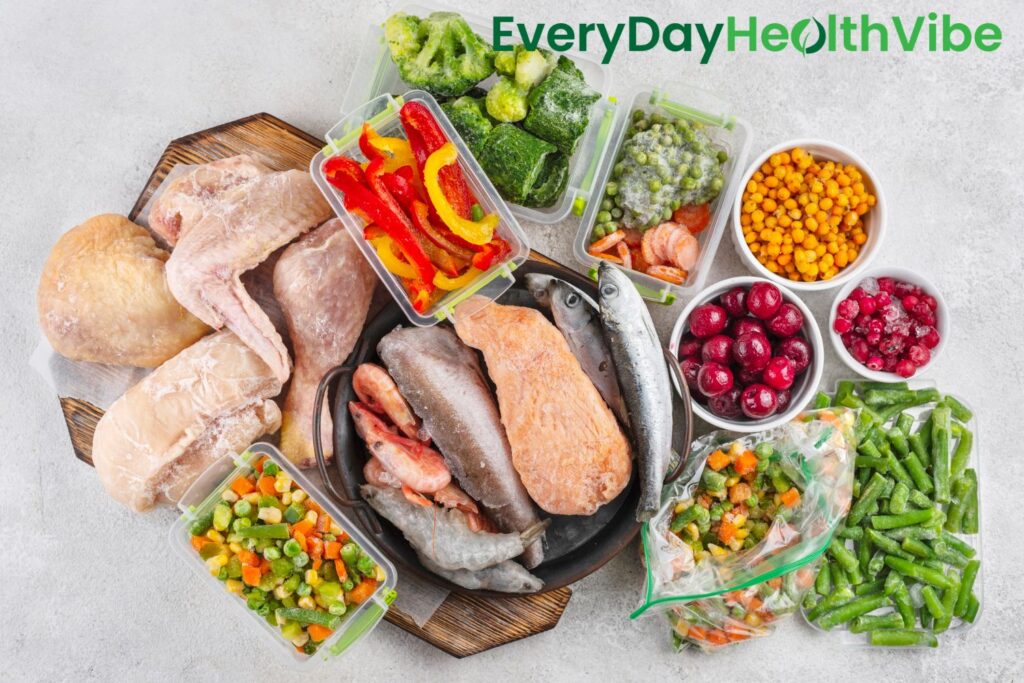
Look for meals built around lean protein sources: chicken, turkey, fish, beans, lentils, tofu, or plant-based blends. A good high-protein meal offers enough grams of protein to sustain fullness and energy.
Balanced Macros for Satiety
Protein alone won’t guarantee balance. A quality meal includes carbohydrates for energy, fats for hormone support and flavor, and fiber for digestive health. When these elements work together, the meal provides comfort, stability, and lasting fullness.
Moderate Calories and Realistic Portions
Portion control is one of the biggest advantages of frozen meals. When calories are consistent and reasonable, it becomes easier to support weight goals and avoid overeating.
Cleaner Ingredients
Meals made from whole ingredients, vegetables, grains, and simple seasonings tend to digest better and feel more nourishing than those filled with heavy sauces or harsh additives.
Benefits of High Protein Frozen Meals
Convenience Without Losing Nutritional Value
Ready-to-eat meals save time, reduce stress, and allow you to maintain consistent eating habits even on your most demanding days. When the meal is high in protein, it becomes even more supportive of your overall health.
Portion Control and Predictability
Knowing exactly what you’re eating — the calories, protein, and portion size — helps with long-term health goals. This predictability reduces guesswork and prevents overeating, a common challenge with homemade or restaurant food.
Support for Active or Busy Lifestyles
If you exercise regularly, high protein meals help with muscle repair and energy balance. If you’re simply busy, they give your body the nourishment it needs without draining your time or energy.
Less Food Waste and Long Shelf Life
Frozen meals eliminate the problem of food spoiling in the fridge. You can stock up, store them for weeks or months, and use them whenever you need a nutritious meal quickly.
Common Pitfalls to Watch Out For
Even though many frozen meals are healthier today, there are still things to be mindful of.
High Sodium or Saturated Fat
Some meals rely on salt or heavy sauces for flavor. Eating these occasionally is fine, but relying on them daily might affect blood pressure or overall cardiovascular health.
Low Vegetable or Fiber Content
Many otherwise healthy frozen meals come with minimal vegetables. This affects fullness, digestion, and micronutrient intake.
Too Much Processing
Not all frozen meals are equal. Some still contain overly processed ingredients that leave you feeling sluggish or unsatisfied. Checking ingredient lists helps reveal whether the meal is closer to whole food or heavily altered.
Over-Dependence
Frozen meals make life easier, but relying on them exclusively can limit dietary variety. A balance of fresh foods, whole grains, and homemade meals creates a richer nutritional picture for long-term well-being.
How High Protein Frozen Meals Fit Into Different Lifestyles
For Busy Professionals and Students
When time is limited, having a reliable meal in the freezer can prevent skipped meals or impulsive fast-food choices. High protein options help you stay energized, stable, and focused.
For Weight Management
Portion-controlled meals reduce overeating and help maintain steady calorie intake. Protein assists with fullness, helping you avoid late-night snacking or grazing.
For Fitness Enthusiasts and Active Individuals
Protein is crucial for muscle repair and recovery. Frozen meals with a meaningful protein amount can support your body on days you don’t have time to meal prep.
For People With Limited Mobility or Cooking Fatigue
Not everyone is able to cook frequently. Frozen meals empower individuals to maintain independence and access balanced meals without needing lengthy preparation.
How to Choose the Best High Protein Frozen Meals
Here are simple tips to guide your choices:
- Pick meals with clear, recognizable ingredients.
- Aim for meals that balance protein with fiber-rich vegetables or grains.
- Choose options lower in sodium and saturated fat to support long-term health.
- Rotate between different styles and flavors to avoid diet monotony.
- Pair frozen meals with fresh sides — a salad, fruit, or steamed vegetables — to boost overall nutrient intake.
- Keep water intake consistent, as hydration supports digestion and energy while eating denser frozen meals.
These small decisions add up to a more satisfying and supportive eating pattern.
Final Thoughts — Making Frozen Meals Work for You
High protein frozen meals can be far more than a quick fix. When chosen thoughtfully, they offer balance, nourishment, and reliability — three ingredients many busy people struggle to maintain in their diets.
They help you meet your protein needs, keep your meals consistent, and reduce stress around cooking. Used alongside fresh foods, hydration, gentle movement, and balanced habits, they can form a strong foundation for everyday eating.
Convenience does not have to mean compromise. With awareness and smart choices, frozen meals can support a healthier, more grounded routine — one that honors both your time and your well-being.
A Calm Guide to the Cracker Barrel Menu With Prices and Healthier Picks
FAQs
1. Are high protein frozen meals healthy?
They can be. When they include lean proteins, balanced ingredients, and moderate sodium, they offer convenient nutrition without sacrificing quality.
2. Who benefits most from high protein frozen meals?
Busy individuals, active people, students, or anyone needing quick, reliable meals often find them especially helpful for consistent nourishment.
3. Do high protein frozen meals help with weight management?
Yes. Their portion control and satiating protein content can support steady calorie intake and reduce overeating.
4. What should I look for in a high protein frozen meal?
Look for lean protein sources, reasonable sodium, balanced carbs and fats, and ideally some vegetables or whole grains.
5. Can high protein frozen meals be eaten daily?
They can be part of a balanced routine, but variety is important. Pairing them with fresh foods helps maintain a well-rounded diet.
