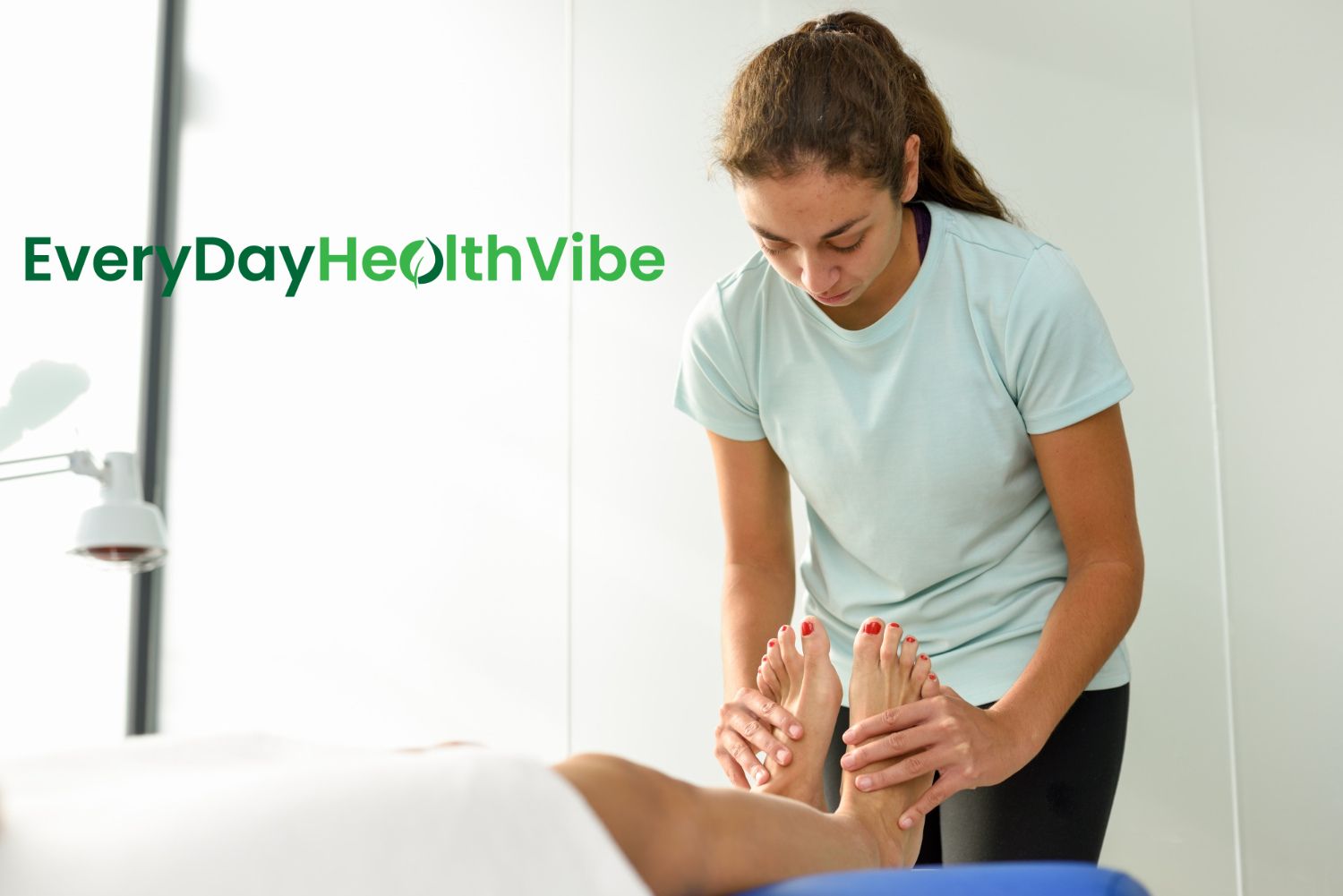
Taking care of your feet is one of the simplest yet most overlooked ways to improve your overall health. Your feet carry you through daily routines, absorb pressure, and support your posture. When they hurt, everything becomes harder. A chiropodist plays an essential role in helping people maintain healthy, comfortable, and functional feet.
This guide explores what a chiropodist does, when you should visit one, and how daily habits can support better foot health.
What a Chiropodist Does and Why Their Role Matters
A chiropodist is a trained healthcare professional who specializes in diagnosing, treating, and preventing foot and lower-limb conditions. Although some regions now use the more modern term “podiatrist,” the work remains focused on medical care, not cosmetic routines.
Chiropodists treat a wide range of issues — from simple nail problems to complex skin disorders, structural imbalances, and chronic conditions like diabetic foot complications. Their goal is to relieve pain, restore mobility, and prevent small concerns from turning into serious health challenges.
Their training covers biomechanics, wound care, dermatology, orthotics, and foot-related diseases. This combination makes them uniquely skilled in both immediate treatment and long-term foot health management.
Why Foot Health Should Never Be Ignored
Most people don’t pay attention to their feet until discomfort becomes too noticeable to ignore. But the feet are at the foundation of our movement. When something is wrong — whether minor or major — it affects posture, balance, walking patterns, and even joint health in the knees, hips, and back.
Foot problems can develop quietly. A slightly tight shoe, a small callus, or a bit of heel pain can grow into persistent discomfort. In people with conditions like diabetes, poor circulation, or arthritis, these issues can escalate much faster.
Proper foot care also becomes more important with age. As the skin thins, joints stiffen, and balance changes, professional care can help maintain independence and mobility.
Common Foot Problems a Chiropodist Can Treat
Corns, Calluses, and Hard Skin
Pressure, friction, and ill-fitting footwear often lead to thickened areas of skin. While they might seem minor, they can become painful or crack if ignored. A chiropodist safely removes hardened skin and identifies what’s causing the pressure, helping prevent the issue from returning.
Ingrown Toenails
An ingrown nail can cause significant pain, redness, swelling, and sometimes infection. Trying to fix it at home often makes things worse. Chiropodists treat ingrown nails carefully and provide guidance on proper nail trimming and footwear.
Heel Pain and Plantar Fasciitis
Sharp heel pain — especially first thing in the morning — is often linked to irritation of the plantar fascia. This condition can worsen over time without proper care. Chiropodists assess the root cause and offer treatments ranging from exercises to custom orthotic support.
Fungal Infections and Nail Problems
Feet are prone to fungal infections, warts, and nail thickening due to their warm, enclosed environment. A chiropodist offers accurate diagnosis, targeted treatment, and advice on hygiene to prevent recurring issues.
Foot Deformities and Gait Issues
Conditions like bunions, hammertoes, or flat feet can affect balance and cause pain. Chiropodists assess gait, posture, and foot structure, then provide solutions such as orthotics, footwear guidance, or conservative treatments.
Complications from Chronic Illness
For people with diabetes, poor sensation, circulation issues, or arthritis, foot care is crucial. A chiropodist checks for early warning signs, treats small problems before they worsen, and helps prevent serious complications.
When You Should Consider Seeing a Chiropodist
You don’t have to wait until pain becomes unbearable. Some signs that a visit may help include:
- Persistent heel, arch, toe, or ankle pain
- Recurring corns, calluses, or cracked heels
- Changes in nail color, thickness, or shape
- Difficulty walking or noticeable changes in gait
- Frequent foot fatigue
- Numbness, tingling, or reduced sensation
- Foot wounds that heal slowly
- Any concern if you have diabetes or circulation problems
Early intervention makes treatment easier, faster, and more effective. Ignoring symptoms often leads to more complicated problems later.
What Happens During Your First Appointment
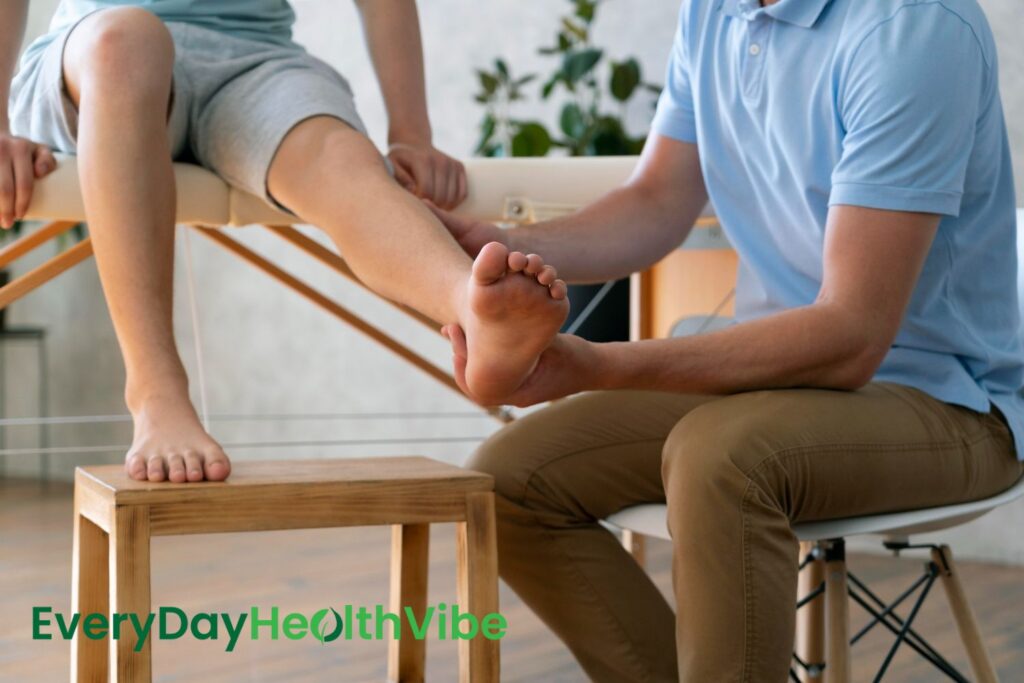
A visit to a chiropodist is straightforward and comfortable. Here’s what typically happens:
- Discussion of symptoms and lifestyle: How much you walk, what shoes you wear, and when pain occurs.
- Foot and lower-limb examination: Skin health, nail condition, posture, and walking patterns are assessed.
- Diagnosis and treatment plan: This can include gentle removal of hard skin, treatment of ingrown nails, advice on footwear, exercises, or orthotics.
A good chiropodist also focuses on prevention — helping you understand what caused the issue and how to avoid it going forward.
Simple Daily Habits for Better Foot Health
Professional care is important, but daily habits make the biggest long-term difference. Here are simple routines that support healthy feet:
- Choose comfortable, supportive footwear. Avoid shoes that are too tight or lack cushioning.
- Keep feet clean and dry. Wash daily, and dry thoroughly — especially between the toes.
- Moisturize regularly. Helps prevent cracked heels and dry skin.
- Trim nails properly. Cut straight across to avoid ingrown nails.
- Stretch your feet and calves. Gentle exercises help with flexibility and reduce pain.
- Check your feet often. Look for redness, swelling, cuts, or changes in the nails.
These habits help maintain health between visits and reduce the risk of developing new problems.
Why Regular Chiropody Visits Improve Long-Term Wellness
Here’s why consistent check-ups can make a noticeable difference:
- Prevention: Early detection avoids major issues.
- Better mobility: Reduced pain improves walking and daily activities.
- Customized care: Orthotics and tailored advice support your unique foot structure.
- Reduced complications: Especially important for seniors or those with chronic health conditions.
- Improved quality of life: Healthy feet make it easier to stay active, exercise, work, and enjoy daily routines without discomfort.
Common Misunderstandings About Chiropodists
Many people confuse chiropodists with cosmetic foot services. In reality, their work is medical, not aesthetic. They treat pain, infections, deformities, and structural issues — not just nail trimming or surface care.
Another misconception is that foot pain is “normal” or something to endure. It isn’t. Discomfort is your body’s way of signaling a problem. A chiropodist can help identify the cause and offer real solutions, not temporary fixes.
Some also believe they should only visit if things get serious. In truth, early visits are much more effective, affordable, and less invasive.
Final Thoughts: Taking Charge of Your Foot Health
Your feet support your entire body, yet they are usually the most neglected part of your health routine. Seeing a chiropodist is not just for when problems arise — it’s a smart way to maintain comfort, mobility, and overall wellness.
If you’ve been dealing with persistent pain, recurring skin or nail issues, or simply want expert guidance on foot care, reaching out to a chiropodist can be a genuinely life-improving step.
Healthy feet don’t happen by accident. They’re the result of attentive daily habits and expert care when needed. Treat your feet with the same importance you give the rest of your health — they carry you through life, and they deserve that care.
What Is Grabba? A Clear Look at Its Use and Impact on Health
FAQs
1. What does a chiropodist actually do?
A chiropodist diagnoses and treats foot and lower-limb problems, ranging from nail issues and skin conditions to pain caused by inflammation or structural imbalances. Their goal is to restore comfort and prevent future problems.
2. When should I visit a chiropodist?
If you experience ongoing foot pain, recurring corns, nail changes, or difficulty walking, it’s a good time to see a chiropodist. People with diabetes or circulation problems should visit regularly, even without symptoms.
3. Can a chiropodist help with heel pain?
Yes. Heel pain, especially related to plantar fasciitis, is one of the most common issues chiropodists treat. They assess what’s causing the discomfort and recommend targeted solutions.
4. Are chiropodists and podiatrists the same?
In many places, the terms are used interchangeably. Both specialize in medical foot care, though the title may differ depending on regional regulations.
5. Do I need a referral to see a chiropodist?
No referral is usually required. Most people can book an appointment directly for assessment and treatment.
