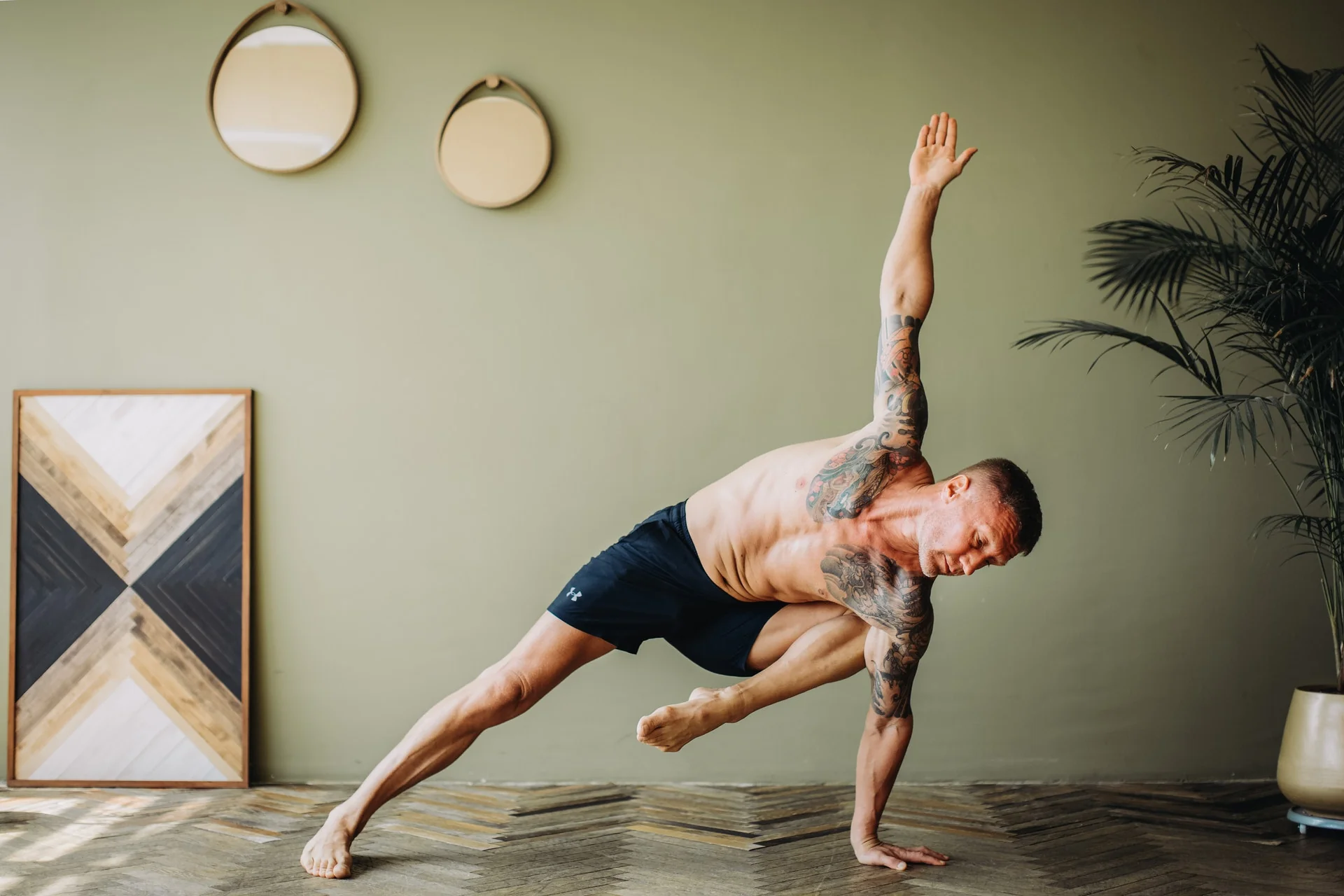
Vinyasa yoga is more than just a style of movement; it’s a powerful combination of breath and motion, synchronized in a way that creates a flowing, almost dance-like sequence. The word “Vinyasa” comes from Sanskrit, where “vi” means variation and “nyasa” means to place with intention. Unlike more static forms like Hatha yoga, Vinyasa yoga is dynamic, rhythmic, and deeply meditative when practiced regularly.
Vinyasa yoga is widely appreciated for its versatility and adaptability. Whether you are a complete beginner or an advanced yogi, there’s always room to explore and grow. This style allows you to move through poses smoothly, building both strength and flexibility without feeling rushed or constrained.
How Vinyasa Yoga Works with Your Body
The foundation of Vinyasa yoga is the coordination between breath and movement. Each inhale and exhale acts as a guide, telling your body when to shift from one pose to another. This link between breath and movement stimulates the parasympathetic nervous system, calming the mind and reducing stress hormones. It also increases body awareness and engages muscles in a more mindful way.
Vinyasa yoga supports cardiovascular health, encourages lymphatic drainage, and improves posture over time. It’s not just a workout—it’s a wellness practice that supports long-term physical and mental health. Let’s now explore the seven most powerful health benefits as supported by medical professionals and yoga therapists.
Improves Cardiovascular Health
One of the most overlooked benefits of Vinyasa yoga is its impact on the heart. The continuous movement involved in a Vinyasa sequence raises the heart rate similar to a light to moderate cardio workout. As your body transitions from one pose to another, it maintains a rhythmic pace that supports heart function and improves circulation.
Many cardiologists now recommend moderate physical activity such as Vinyasa yoga for patients with early signs of hypertension or stress-related cardiac symptoms. Over time, practicing this flow can help regulate blood pressure and strengthen the heart muscles in a safe and holistic way.
Boosts Flexibility and Strength
Vinyasa yoga constantly works the muscles, joints, and connective tissues in different angles. Unlike repetitive gym routines, the ever-changing sequences in Vinyasa challenge the body in more natural and functional movements. The result is improved flexibility in the hips, shoulders, spine, and legs.
At the same time, the strength-building component of Vinyasa yoga is often underrated. Holding planks, warriors, and balancing postures in a flowing motion activates the core, arms, and legs. Over weeks of consistent practice, muscle tone improves and posture becomes noticeably better.
Reduces Stress and Anxiety
In a fast-paced world, mental stillness is rare. Vinyasa yoga creates a moving meditation that can significantly lower anxiety levels. With every conscious breath and intentional movement, the body enters a state of calm. Studies in psychological journals have shown that regular Vinyasa yoga practice reduces cortisol levels—the hormone associated with stress.
The focus on breath gives the mind something to anchor to, pulling attention away from daily worries. Many practitioners describe a sensation of mental clarity and emotional lightness immediately after a Vinyasa session. Over time, it becomes a vital tool for emotional regulation and inner peace.
Enhances Respiratory Function
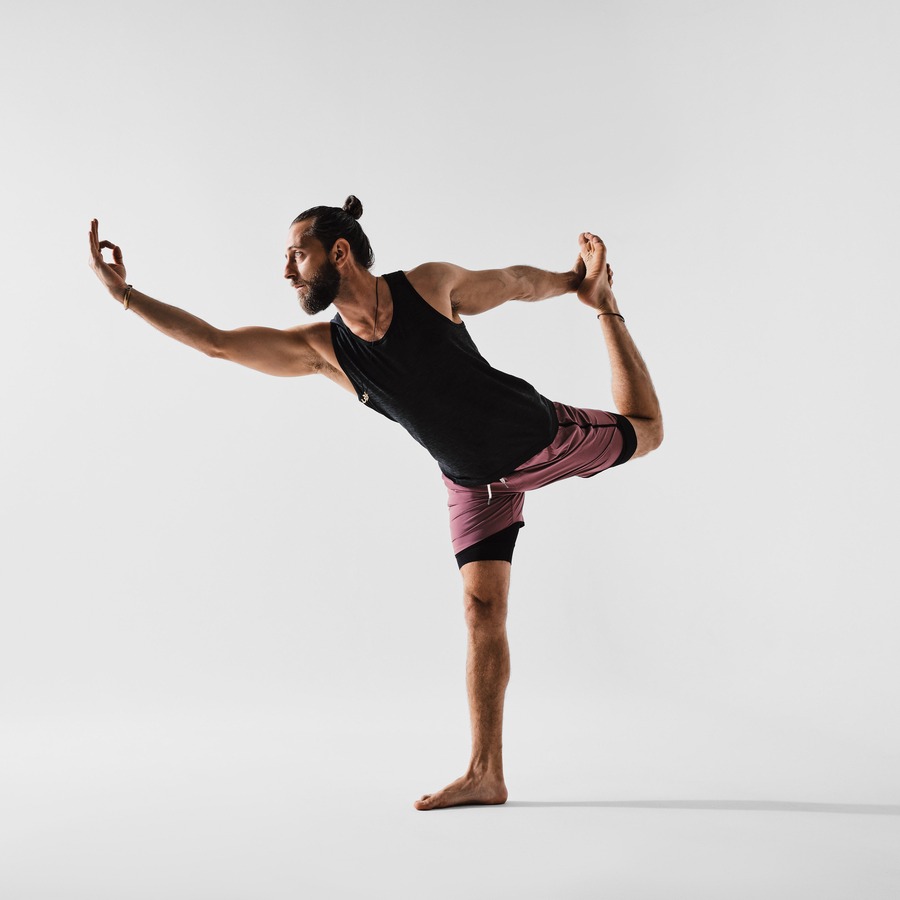
Breath is the heart of Vinyasa yoga. Through techniques like Ujjayi breathing, practitioners are trained to lengthen and control each breath. This has a direct impact on respiratory efficiency and lung capacity. For individuals with mild asthma or those recovering from respiratory conditions, Vinyasa yoga can be a therapeutic addition.
Breathing deeply through the nose and into the belly stimulates the diaphragm, massages internal organs, and promotes better oxygen flow. This is especially beneficial for athletes and those looking to improve their stamina.
Supports Weight Management
Vinyasa yoga is one of the more physically demanding styles of yoga, making it effective for burning calories. While it may not replace high-intensity workouts entirely, it contributes significantly to overall energy expenditure, especially when practiced regularly.
More importantly, it encourages a mindful connection to the body, which often leads to healthier eating patterns and lifestyle choices. By improving metabolism and reducing stress-induced cravings, Vinyasa yoga supports sustainable weight management without the need for extreme diets or routines.
Improves Sleep Quality
Poor sleep is often tied to stress, physical tension, or an overactive mind. Vinyasa yoga addresses all three. An evening flow session with slow transitions and calming breathwork prepares the nervous system for rest.
Health experts have noted that yoga helps regulate melatonin production—the hormone that controls sleep cycles. By consistently practicing Vinyasa yoga, many people experience deeper, more restful sleep and reduced nighttime awakenings.
Builds Mental Resilience and Focus
Mental sharpness is another underappreciated benefit of Vinyasa yoga. Since it demands present-moment awareness, it strengthens the brain’s ability to concentrate. As you learn to stay engaged in your flow and follow your breath, you’re also training your mind to stay calm and present in stressful situations.
Long-term practitioners often report better decision-making, emotional control, and improved productivity in their daily lives. These mental shifts aren’t temporary; they build slowly and stay with you well beyond the yoga mat.
What Experts Say
Healthcare professionals increasingly recommend Vinyasa yoga for both preventive care and rehabilitation. Yoga therapists support its use for managing chronic pain, anxiety, and mobility challenges. Sports physicians acknowledge its role in improving recovery and reducing sports injuries. And mental health counselors recognize its power in cultivating self-awareness and emotional regulation.
What’s most impressive is how Vinyasa yoga brings together multiple health benefits—physical, emotional, and psychological—into one consistent practice.
How to Begin Your Vinyasa Yoga Journey
Starting Vinyasa yoga doesn’t require flexibility or prior experience. What it needs is your willingness to explore your body and breath. Begin with a beginner-friendly class or online video. Focus on form rather than speed. Let your breath guide your pace.
Start with 2–3 sessions per week and gradually build your routine. Choose a quiet, open space and keep distractions minimal. With time, the practice becomes a part of your lifestyle—something your body craves and your mind welcomes.
A Practice That Keeps Giving
The beauty of Vinyasa yoga lies in its adaptability. It grows with you, challenges you, and heals you in unexpected ways. Whether your goal is to feel lighter, sleep better, or simply breathe easier, Vinyasa yoga offers a safe and effective path.
This practice is not about touching your toes—it’s about what you learn on the way down. Let Vinyasa yoga be your companion in health, mindfulness, and self-discovery.
Can Vinyasa Yoga Help with Stress and Anxiety?
Yes, absolutely. Vinyasa Yoga is known for its meditative flow and rhythmic breathing, which naturally helps calm the nervous system. The continuous movement helps release physical tension, while deep breathing promotes emotional clarity. Many practitioners report feeling lighter, calmer, and more emotionally balanced after just a few sessions.
Is Vinyasa Yoga Helpful for People with Depression?
While it is not a substitute for medical treatment, Vinyasa Yoga can play a supportive role in mental wellness. The physical movement, focus on breath, and mental presence can uplift mood, reduce isolation, and promote a feeling of accomplishment. It’s often recommended as a complementary practice for emotional health.
Does Regular Practice Improve Self-Confidence?
Yes. Consistent practice leads to a stronger body, clearer mind, and increased self-awareness, all of which contribute to confidence. Learning to move through challenging poses gracefully builds inner strength and helps people trust their bodies and instincts more deeply.
Can Vinyasa Yoga Support Weight Loss Goals?
Yes, Vinyasa Yoga is one of the more physically intense forms of yoga. Because it involves constant movement and often includes strength-based poses, it burns calories effectively. Combined with healthy eating habits, it can support sustainable weight management.
Is Vinyasa Yoga Like a Cardio Workout?
Yes, especially in faster-paced classes. Because of its dynamic flow and the way breath syncs with movement, Vinyasa can raise your heart rate and mimic the benefits of light to moderate cardiovascular exercise. This makes it a favorite among those looking to stay fit without high-impact workouts.
Is It Better to Practice Vinyasa Yoga in the Morning or Evening?
Both have their benefits. Morning practice can energize you and set a positive tone for the day, while evening practice helps unwind stress and release tension. Choose a time that aligns with your schedule and mood—consistency matters more than the clock.
Should You Follow a Specific Diet with Vinyasa Yoga?
There is no strict diet required, but many practitioners naturally lean toward lighter, plant-based meals that support energy and digestion. Hydration and mindful eating are key. A balanced, clean diet often enhances the overall benefits of the yoga lifestyle.
How Does Vinyasa Yoga Improve Strength and Flexibility?
The combination of weight-bearing postures and flowing sequences targets both muscles and joints. Over time, your core, arms, legs, and back become stronger, and your body becomes more agile. Flexibility increases as poses are repeated and held with deeper awareness.
Is It Safe to Practice Vinyasa Yoga Every Day?
For most people, yes—but listen to your body. Gentle daily practice can be safe and healing. However, intense sessions every day may lead to fatigue or strain. It’s important to balance effort with rest, and perhaps include restorative or yin yoga on alternate days.
Is Vinyasa Yoga Just Physical Exercise or Also a Form of Meditation?
It’s both. While Vinyasa is movement-based, it’s deeply meditative. The practice of breath awareness, presence in motion, and inner focus connects you to a calmer state of mind. It becomes a moving meditation, offering benefits far beyond just the physical.
Conclusion: Vinyasa Yoga Offers More Than Flexibility
Whether you’re looking to reduce stress, lose weight, build strength, or simply reconnect with yourself, Vinyasa Yoga is a well-rounded wellness practice. Its power lies in its ability to unify breath, movement, and mind—making it a lifestyle, not just a workout.
FAQs About Vinyasa Yoga
Is Vinyasa yoga suitable for complete beginners?
Yes. Many instructors offer beginner-level flows with modifications for all body types and abilities.
How often should I practice Vinyasa yoga to see results?
Practicing 2 to 4 times per week can yield noticeable changes in flexibility, stress levels, and overall wellbeing.
Can Vinyasa yoga help with weight loss?
It supports weight loss through calorie burn and stress reduction, both of which influence metabolism and eating habits.
Do I need any special equipment for Vinyasa yoga?
All you really need is a non-slip yoga mat. Blocks and straps can help with alignment but are optional.
What’s the best time to practice Vinyasa yoga?
It depends on your goal—morning sessions energize, while evening flows relax and prepare you for sleep.
